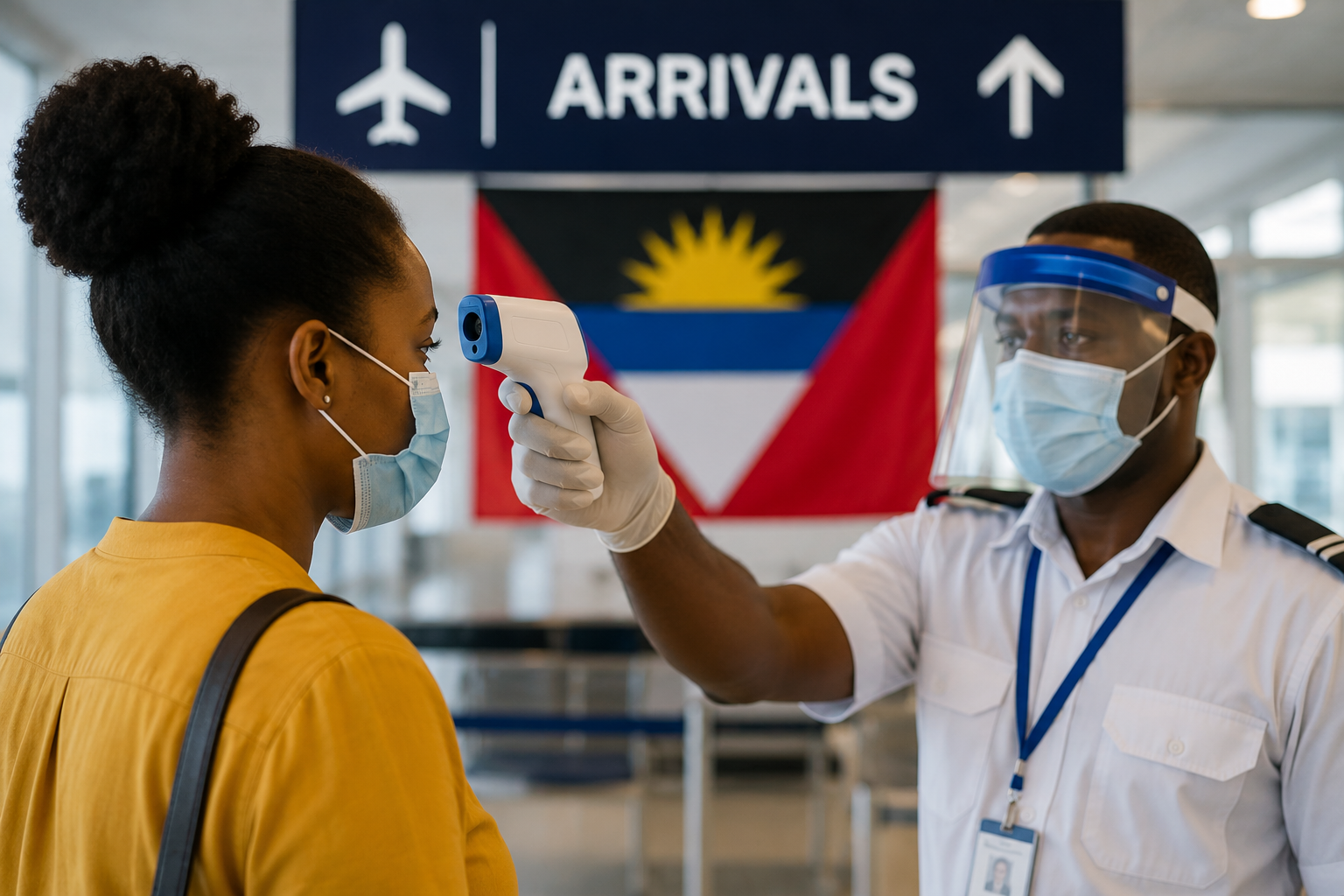
As the Caribbean nation of Antigua and Barbuda prepares to welcome global leaders for the upcoming Commonwealth Heads of Government Meeting (CHOGM), public health authorities have rolled out a comprehensive, cross-agency preparedness strategy designed to protect both visiting delegates and local residents, according to the country’s Chief Medical Officer Dr. Kamaria De Castro.
Speaking at a public town hall held Wednesday, Dr. De Castro detailed the coordinated framework that brings together public and private healthcare providers, national emergency response teams, and regional health partners to deliver seamless medical coverage throughout the summit. Scheduled to run from November 1 to 4, this year’s CHOGM will feature official government meetings, four thematic forums, and a series of cultural events across multiple venues, requiring a coordinated public health response that does not disrupt routine care for local communities.
Under the preparedness plan, dedicated medical teams will be stationed at all summit venues and event sites to provide on-site care, while emergency medical services will maintain their core responsibilities to the general public alongside supporting the transfer and care of delegates and other summit participants. In a joint effort with the Ministry of Tourism, environmental health and vector control officials have already completed preliminary inspections of all contracted accommodation facilities, official catering companies, and local food vendors serving the summit. Food safety monitoring and vector surveillance operations will remain active throughout the pre-summit, summit, and post-summit periods to mitigate public health risks.
Antigua and Barbuda is leveraging existing public health infrastructure built for major international events to support this effort. The Caribbean Public Health Agency will continue supporting the mass gathering surveillance system first deployed during the 2024 Men’s T20 World Cup, which enables real-time monitoring of health events across multiple sites involving both local residents and international visitors.
To strengthen emergency response capacity, the National Office of Disaster Services has partnered with national health authorities to deliver mass casualty management training for clinical staff at community clinics and the main Sir Lester Bird Medical Centre. Additional support for the initiative includes supplementary health personnel deployed in collaboration with the Antigua and Barbuda Defence Force, and specialized training resources provided through the Pan American Health Organization. Even delegation liaison officers have completed targeted training on health protocols, equipping them to guide visiting delegations on available medical facilities, on-demand services, and referral pathways for care.
Emphasizing the collective nature of the effort, Dr. De Castro noted that “public health preparedness is a shared responsibility of us all,” reflecting the whole-of-society approach Antigua and Barbuda has adopted to ensure a safe, successful summit for all attendees and local communities.