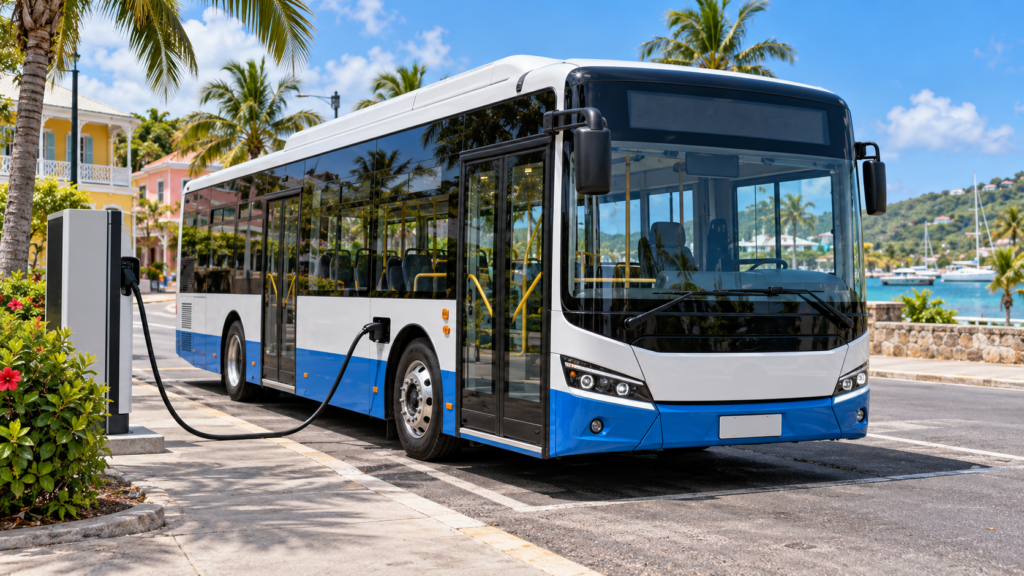
As countries around the globe accelerate efforts to cut transport emissions and clean up urban air, the small island nation of Antigua and Barbuda has joined a growing list of developing states receiving targeted international backing to roll out electric buses. This support comes via two key initiatives from the United Nations Environment Programme (UNEP): the Global Electric Mobility Programme and the Soot-Free Urban Bus Fleet project, which are designed to remove common roadblocks that hold nations back from adopting zero-emission public transport technology.
The comprehensive assistance package delivered through the programme covers every stage of the transition process, from early strategic planning to on-the-ground pilot implementation. Experts provide specialized training for local transport personnel, evaluate viable business models and sustainable financing structures, and help craft national roadmaps for electric bus integration. For Antigua and Barbuda specifically, the participation opens access to global expertise and tailored planning tools that will let local authorities model how electric buses can operate within the country’s existing transport network. This includes detailed analysis of upfront and long-term operational costs, domestic energy infrastructure requirements, and the specific environmental and public health gains the transition could deliver.
Antigua and Barbuda is not alone in this effort: it is grouped alongside other climate-vulnerable nations including Costa Rica, Seychelles, Maldives and Nepal, all of which are receiving similar targeted support to transition their public bus fleets away from fossil fuels. A dedicated global working group convened by UNEP underpins these national efforts, supporting countries to set clear electric mobility development targets, sharing evidence-based policy guidance, and creating a space for international collaboration to align standards and regulatory frameworks for electric transport.
To further empower evidence-based decision making, UNEP has also developed a free, accessible online bus calculator tool that allows planners to compare electric buses against other low-emission vehicle technologies. Users can project key metrics including total energy consumption, cumulative greenhouse gas emissions, urban air pollutant output and overall lifecycle costs out to the year 2050, making it easier to conduct robust cost-benefit analyses at both national and city levels.
At its core, the broader initiative seeks to tackle the significant public health and environmental damage caused by traditional diesel-powered urban bus fleets. Diesel exhaust is a major contributor to poor urban air quality and a range of preventable respiratory and cardiovascular health conditions, while also being a source of greenhouse gas emissions that drive climate change. Currently, UNEP has not released specific details for Antigua and Barbuda’s electric bus project, including the total number of buses planned, the exact amount of funding allocated, or a formal timeline for implementation.