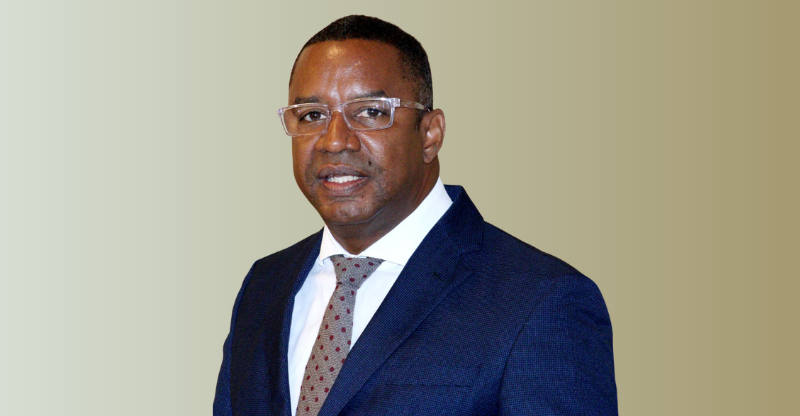
During a call-to-the-bar ceremony for newly admitted legal practitioners at Barbados’ Supreme Court on Friday, Attorney General Wilfred Abrahams issued a stark warning about two pressing shortages threatening the island’s justice system and government policy goals: a dearth of criminal defense attorneys and qualified legislative drafters. The capacity crunch created by these gaps is already slowing judicial operations and hindering the government’s ability to advance planned legislative changes, he emphasized.
Addressing the cohort of new attorneys, Abrahams highlighted that Barbados’ legal framework is facing growing strain from constrained human resources and a shrinking pool of specialized legal professionals. He linked the nation’s long-standing court backlog directly to the lack of attorneys willing to take on criminal cases, handle routine matters in the Magistrates’ Court, and represent litigants across different tiers of the judicial system.
“You all know the names that dominate the criminal bar; you hear the same individuals called on for case after case,” Abrahams told the new practitioners. “That speaks to the high quality of legal expertise we have here in Barbados, but it also limits our ability to advance core priorities. We urgently need more legal professionals to enter criminal practice and take on work in the Magistrates’ Court.”
Abrahams argued that reducing the crippling case backlog requires a generational shift in how young lawyers think about career specializations. In recent years, most newly qualified legal professionals have gravitated toward higher-paying corporate, commercial, or civil practice, leaving the criminal justice system starved for fresh talent. This gap undermines three foundational pillars of Barbados’ governance: equitable access to justice, the rule of law, and the constitutional right to a defense for all defendants.
Overreliance on a small group of veteran defense attorneys has stretched the entire system to breaking point, creating persistent processing bottlenecks in both the Magistrates’ Court and the High Court. Abrahams confirmed that Chief Justice shares the concern, noting that there is also an unmet need for more criminal practice attorneys at the High Court level. “This is not speculation—it is a hard reality we face,” he added.
Beyond judicial operations, Abrahams drew attention to the equally critical shortage of trained legislative drafters, which has slowed the government’s ambitious slate of statutory reforms. The lack of these specialists limits the state’s ability to pass key policy updates in a timely manner, but Abrahams noted the gap also creates significant opportunity for new lawyers. Specialized certification in legislative drafting comes with strong, stable career prospects, particularly for those interested in government work.
“Our entire legislative agenda is held back because we have too few qualified drafters,” he explained. “To any new attorney thinking about earning this certification over the next 12 to 18 months: your job prospects with the government are excellent right now.”
Abrahams added that a review of applications from incoming attorneys revealed widespread hesitation to enter criminal practice. Many respondents either dodged questions about working in the Magistrates’ Court or outright stated they intended to avoid criminal law entirely. “When we asked if they planned to practice in the Magistrates’ Court, some answered yes immediately, while many avoided the question entirely,” he said. “When asked about criminal law practice? It is clear we have a problem on our hands.”
Closing his remarks, Abrahams urged the newly admitted attorneys to consider entering criminal practice or pursuing legislative drafting certification. Choosing these specializations would not only address urgent systemic gaps, he said, but would also help build a more efficient, accessible justice system for all Barbadians.