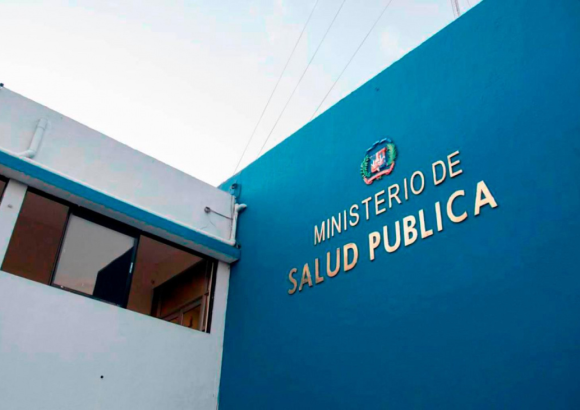
In the Dominican Republic, national public health authorities have stepped up public appeals for proactive dengue fever prevention, warning that shifting weather patterns linked to the El Niño climate phenomenon could elevate mosquito-borne disease transmission risks even as current national case counts remain at manageable levels.
Minister of Public Health Víctor Atallah stressed that consistent preventive action at both the household and community levels remains non-negotiable, despite the country reporting favorable epidemiological indicators through the first 39 weeks of 2026. As of the latest tracking period, the Dominican Republic has confirmed 396 total dengue cases, with just 15 new infections documented in the most recent week. Officials confirmed that current caseloads stay within the expected low range of the country’s endemic dengue corridor, running well below the projection threshold established using historical case data from 2019 to 2025.
Public health officials also confirmed that the DENV-2 serotype is currently circulating within the country. In addition to eliminating mosquito breeding grounds, authorities strongly warn Dominican residents against self-medication, urging anyone who develops characteristic dengue symptoms including sudden high fever to seek formal medical care immediately. While the national overall trend remains stable, health experts note that localized spikes in cases cannot be ruled out without ongoing vigilance.
The call for prevention comes amid a sharp regional surge in dengue transmission recorded by the Pan American Health Organization (PAHO). Through epidemiological week 36, PAHO has documented nearly 1.7 million suspected dengue cases across the Americas. The regional public health body and Dominican authorities both note that warmer, wetter weather conditions associated with El Niño create ideal breeding conditions for Aedes aegypti mosquitoes—the primary vector for dengue fever—making sustained surveillance and community prevention critical to containing outbreaks.
To cut down on mosquito breeding sites, the Ministry of Public Health has issued clear guidance for households across the country: all stored water containers including tanks and cisterns must be kept tightly sealed; all standing water containers should be emptied, scrubbed and cleaned on a weekly basis; discarded items that can trap water such as old tires, empty bottles, cans and unused flowerpots should be removed from residential properties; and all potential water collection spots including patios, roof surfaces and rain gutters should be inspected and cleared after every rainfall event.
For individuals who suspect they have contracted dengue, health officials warn against using common over-the-counter anti-inflammatory medications including aspirin and ibuprofen, as these drugs increase the risk of internal bleeding, a dangerous complication of severe dengue. Instead, patients may use paracetamol (acetaminophen) to manage fever and pain, only under the direction of a licensed healthcare professional.