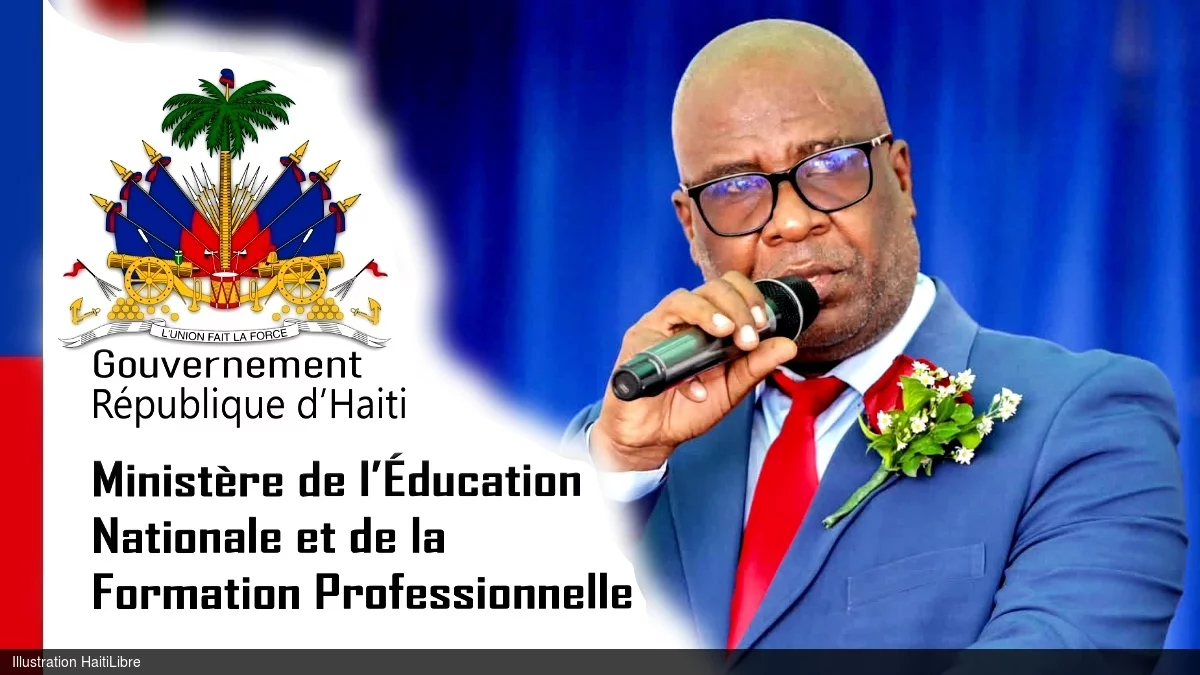
In a proactive push to upgrade Haiti’s public education system, Haiti’s Ministry of National Education and Vocational Training (MENFP) hosted a one-day professional development seminar on October 9, 2026, in Pétion-Ville for roughly 50 school inspectors from the country’s West Department. Centered on the core theme of “Pedagogical and Administrative Supervision,” the training brought together frontline education leaders to refine practices that underpin consistent school performance across the region.
Opening the workshop, Étienne Louisseul France, the West Departmental Director of Education, framed the continuing education initiative as far more than a routine professional update: it is a non-negotiable investment in sustained educational quality. As the critical intermediary between the ministry’s central administration and individual school communities, school inspectors hold outsized influence over how national education policies translate to real classroom outcomes, he explained. Their work shapes everything from teaching quality to school operations, making regular upskilling essential to meeting evolving sector demands.
Delivered by three experienced senior inspectors—Guiteau Francois, Asselhomme Saintil, and Bien-Aimé Point-Dujour—the training curriculum covered key priority areas core to the inspector’s mandate. Modules explored modern pedagogical supervision frameworks, the evolving scope of the inspector’s role, structured strategies to support school pedagogical directors, and evidence-based pedagogical observation techniques.
France stressed that inspectors carry three core, interconnected responsibilities: overseeing educational progress across schools, evaluating classroom teaching practices to drive improvement, and providing ongoing guidance to school principals. To fulfill these duties effectively, he urged participating inspectors to uphold consistent standards of rigor, objectivity, careful judgment, and unwavering accountability in all their work across the department’s schools.
Harry Moncoeur, one of France’s deputy directors, reinforced these remarks, breaking down the three core pillars of the inspector’s role within Haiti’s broader education ecosystem. First, inspectors are tasked with ensuring all schools adhere to national education standards and approved curriculum frameworks. Second, they conduct systematic evaluations of teaching practices and overall school performance to pinpoint existing strengths and gaps that require targeted intervention. Third, they deliver actionable guidance and ongoing support to both teachers and school leaders, facilitating the spread of proven best practices and fostering a culture of continuous improvement across the education sector.
Moncoeur emphasized that modern inspector work demands a constantly evolving skill set to keep pace with changing educational needs. Today’s inspectors must master contemporary pedagogical approaches, refined observation and evaluation methodologies, strategic human resource management, data-driven school performance analysis, and the integration of digital tools into their daily oversight work—all competencies that this training was designed to strengthen.
Claudin St-Jour, Director of Training and Professional Development at MENFP, added context to the initiative, positioning the seminar as a core component of the ministry’s broader campaign to build the capacity of education leaders across the country. “The quality of a nation’s education depends, to a large extent, on the quality of teaching delivered in every classroom,” St-Jour noted. “That quality cannot be improved sustainably without effective, regular, constructive, and student-centered pedagogical supervision.” He further explained that the work of well-trained inspectors creates the supportive conditions teachers need to grow professionally, while ensuring that the Ministry of Education’s core pedagogical guidance is implemented consistently across all schools.