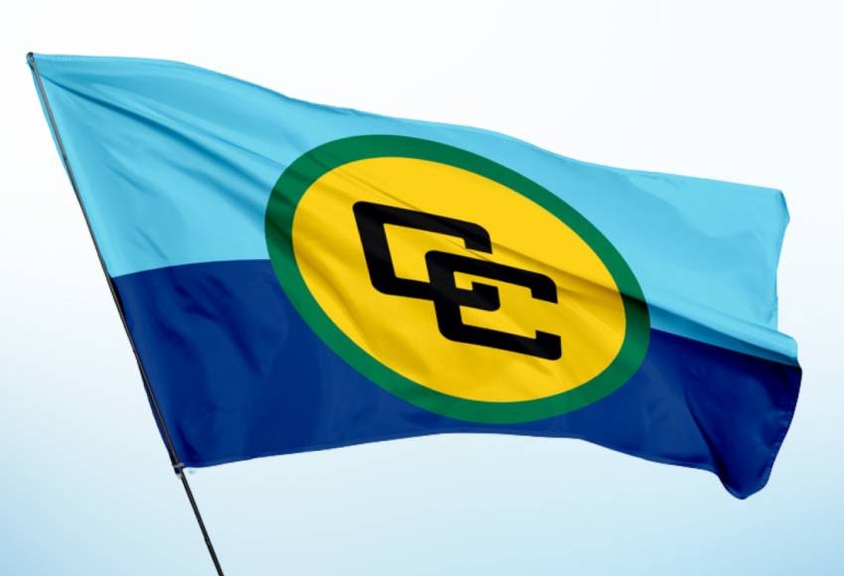
On October 12, 2026, senior diplomatic representatives from the Caribbean Community (CARICOM) and the Republic of Türkiye gathered for the second plenary session of the CARICOM-Türkiye Consultation and Cooperation Mechanism, launching in-depth discussions to expand cross-regional collaboration across seven priority areas.
Co-chaired by Ambassador Miriam Mac Intosh — Permanent Secretary of Suriname’s Ministry of Foreign Affairs, International Business and Cooperation, and current chair of the CARICOM Council for Foreign and Community Relations (COFCOR) — and Ambassador Erkan Aytun, Director General for Latin America and the Caribbean at Türkiye’s Ministry of Foreign Affairs, the meeting marked a key milestone in bilateral relations that have been built on a foundation of mutual partnership since 2011, when the foundational Memorandum of Understanding establishing the consultation mechanism was signed.
In her opening remarks, Ambassador Mac Intosh emphasized that the ongoing partnership between CARICOM and Türkiye is rooted in shared values of constructive dialogue, genuine collaboration, and reciprocal respect. She highlighted Türkiye’s longstanding support for CARICOM’s development priorities, noting that past contributions to development projects and humanitarian initiatives have delivered tangible, positive outcomes for Caribbean nations. “We remain committed to identifying and advancing further initiatives that contribute to the Region’s resilience and sustainable development,” Mac Intosh stated, echoing CARICOM’s core mission of building an integrated, competitive, and inclusive regional bloc.
During the session, high-level officials from CARICOM member states with oversight over key sectors — including trade and investment, climate disaster management and resilience, food security, renewable energy, public health, maritime connectivity, and port infrastructure development — put forward specific, actionable proposals for deepened collaboration with Türkiye. These sector-specific priorities were met with detailed input from delegates from leading Turkish institutions, who outlined how Türkiye’s technical expertise, innovative technologies, and institutional capacity can be leveraged to address the unique development needs of CARICOM member states.
A key focal point of the meeting was preparation for the Thirty-First Conference of the Parties to the United Nations Framework Convention on Climate Change (COP31), which Türkiye will host in Antalya from November 9 to 20, 2026. Ambassador Aytun shared updates on the conference’s strategic priorities, Türkiye’s progress in preparations, and the host nation’s goals for the summit. Stressing that Türkiye aims to frame COP31 as a conference focused on tangible implementation rather than just negotiation, Aytun outlined the 10 core priority themes that will anchor the summit’s agenda: clean energy transition and electrification, zero waste and methane reduction, climate-resilient cities, green industrialisation, youth and climate education, food security, oceans and climate action, dynamic and resilient health systems, alignment with the Rio Convention frameworks, and the Climate Implementation Bridge initiative.
CARICOM and Türkiye’s diplomatic relationship has expanded steadily over the decades, with collaboration extending across development aid, humanitarian response, and support for CARICOM’s regional integration efforts. Recent high-impact cooperation includes contributions to regional post-disaster recovery efforts, funding for the Caribbean Development Fund, and technical and financial support to upgrade the CARICOM Secretariat’s information and communications infrastructure.
Founded in 1973 via the Treaty of Chaguaramas (revised in 2001 to establish a CARICOM Single Market and Economy), the Caribbean bloc counts 15 full member states and eight associate members, serving a population of roughly 16 million people, 60% of whom are under the age of 30. CARICOM organizes its work around four core pillars: economic integration, foreign policy coordination, human and social development, and security cooperation, and is widely recognized as one of the most successful regional integration initiatives in the developing world.