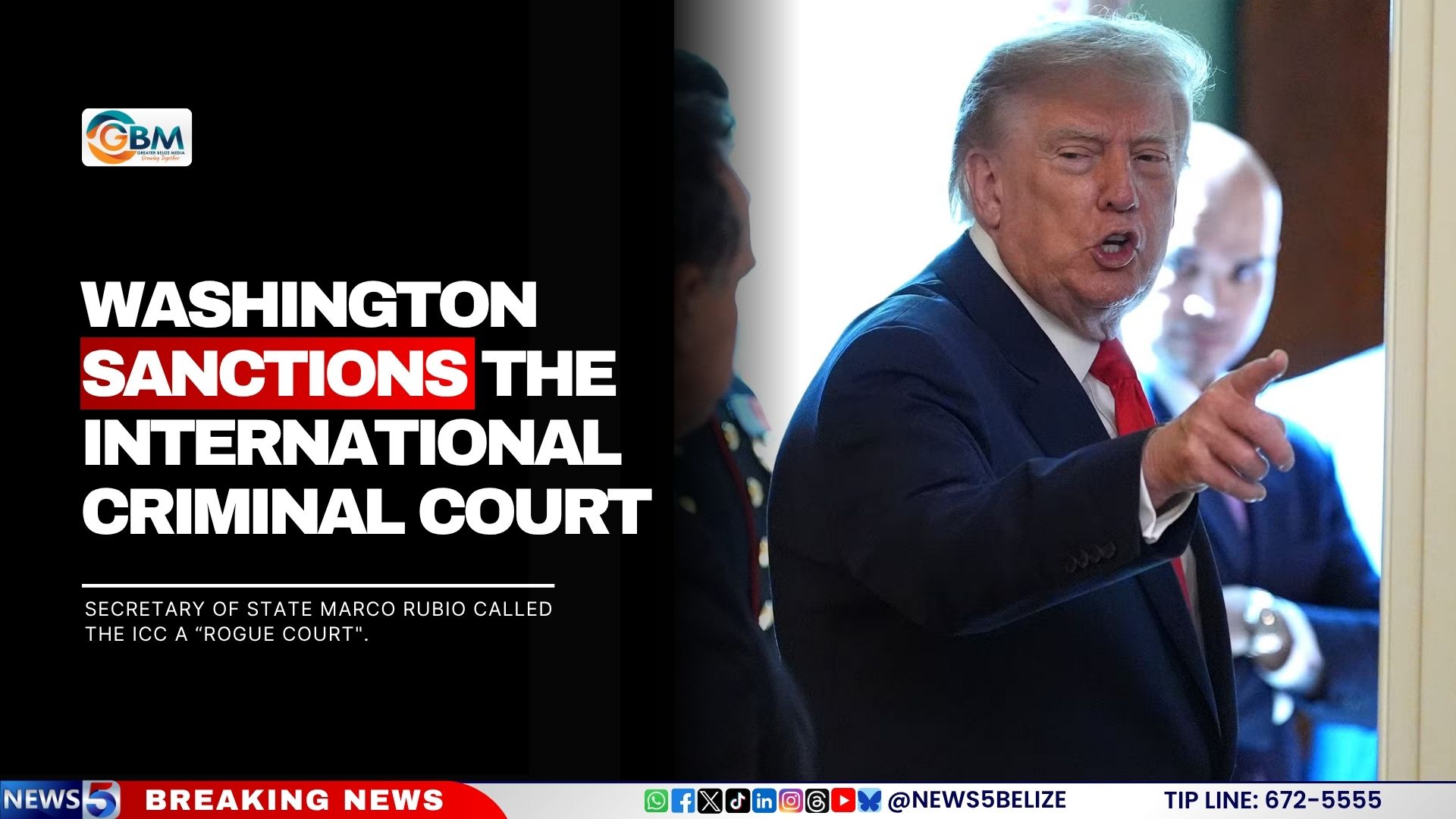
In a sudden and deeply controversial move that has sent shockwaves through the global international law community, the Trump administration has rolled out sweeping new sanctions targeting the International Criminal Court (ICC) as an institution, just hours after former ICC judge Navi Pillay was awarded the Nobel Peace Prize. This escalation goes far beyond previous US restrictions that only targeted individual ICC prosecutors and judges, opening the door to penalties for any private companies that choose to provide goods or services to the court.
US Secretary of State Marco Rubio, announcing the policy Friday, framed the court as an illegitimate body, labeling it a “rogue court” in prepared remarks. Under the new framework, US financial actors will be barred from engaging in any transactions with the ICC, a policy designed to cut off the court’s access to key financial resources and severely hamper its ability to carry out its core mandate of investigating and prosecuting war crimes and crimes against humanity.
The US Treasury Department has built a six-month initial grace period into the sanctions, with permanent exemptions carved out for a narrow set of activities: telecommunications services, software provisions, pension distribution payments, and transactions directly tied to detainee support. Rubio made clear that the punitive measures will be ramped up if Washington fails to see progress on its longstanding demands regarding the court’s activities.
Tensions between the US and the ICC have been building for years, rooted in two major areas of conflict: the court’s issuance of arrest warrants for senior Israeli officials, including sitting Prime Minister Benjamin Netanyahu, and its ongoing independent investigation into alleged war crimes committed by US military personnel during the conflict in Afghanistan. The US has repeatedly argued that the court oversteps its mandate when it investigates actions involving citizens of countries that are not official ICC members.
The ICC has pushed back hard against the new sanctions, issuing a formal statement calling the measures a direct attack on the core principles of global rule of law and the very foundation of the established international legal order. The court has issued an urgent call to its 123 member states to take collective action to defend the institution and its mandate. Despite the new pressure, senior ICC leadership has confirmed that the court’s work will not be halted. “Our work will continue across all our situations, our investigations and our prosecutions,” said ICC Deputy Prosecutor Nazhat Shameem Khan, affirming the court’s commitment to its ongoing missions.
European Union foreign policy chief Kaja Kallas has also responded to the announcement, noting that the six-month grace period creates an opportunity for diplomatic dialogue to de-escalate the conflict. Kallas added that the EU has pre-prepared policy options ready to implement to ensure the ICC can continue carrying out what the bloc describes as its vital work for global justice, even in the face of US sanctions.