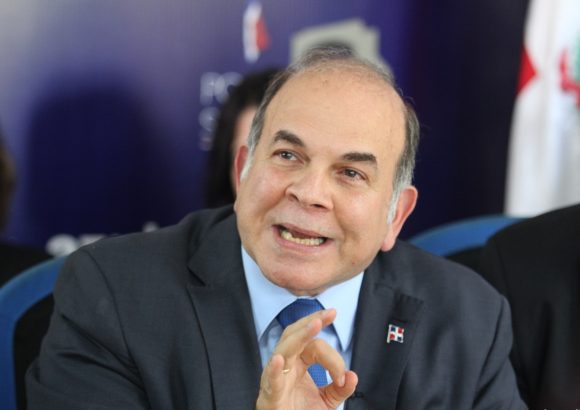
In a recent interview on Z Digital radio, prominent Dominican lawyer and political figure Pelegrín Castillo has drawn a clear line of accountability for Haiti’s cascading institutional and security breakdown, arguing that the Dominican Republic bears no blame for its neighbor’s ongoing collapse. Instead, he traces the root of the crisis back to a series of flawed geopolitical decisions made by major global powers and large multilateral entities over decades.
Castillo pulled no punches in his critique of the drawdown and eventual withdrawal of international peacekeeping and stabilization missions deployed to Haiti, singling out the United Nations Mission for Justice Support in Haiti (MINUJUSTH) for particular attention. He emphasized that the premature exit of these international missions did not just deepen chaos within Haiti’s borders — it also created ripple effects that eroded the security landscape across the entire Caribbean region.
Beyond the withdrawal of international support, Castillo highlighted two additional destabilizing factors that have received too little attention in global policy discussions: the thriving transnational arms trafficking networks that arm violent gangs and fuel widespread lawlessness, and the long-running pattern of external interference that has exacerbated internal conflicts across the Caribbean for generations.
On the topic of economic relations between the two neighboring countries that share the island of Hispaniola, Castillo pushed back against recent proposals from Dominican business groups advocating for deeper economic integration and a unified common market between Haiti and the Dominican Republic. He argued that the plan is fundamentally unworkable, pointing to the massive gap in economic scale and structure between the two nations, as well as the pervasive penetration of transnational organized criminal networks into Haiti’s economy.
Castillo issued a stark warning that allowing Haiti’s unresolved socioeconomic challenges to spill over into Dominican territory would put the country’s domestic stability and sovereign authority at direct risk. He closed his remarks by urging current Dominican political leaders to stand firm against mounting international pressure, which he argues would ultimately erode core national interests and undercut the hard-won labor protections and rights of Dominican workers.