In the wake of conflicting public reports surrounding a mysterious death linked to a Russian plague research facility, the World Health Organization (WHO) is pushing for full clarity from Russian authorities to resolve uncertainty around a possible pneumonic plague case, global health officials confirmed this week.
Unconfirmed media reports that emerged on October 2 claimed a laboratory worker at the Irkutsk Antiplague Research Institute in Siberia was admitted to a hospital with severe respiratory symptoms and later died, with initial speculation pointing to accidental occupational exposure to pneumonic plague. As questions grew about the incident and its potential public health implications, the WHO moved quickly to trigger formal information requests under global public health rules.
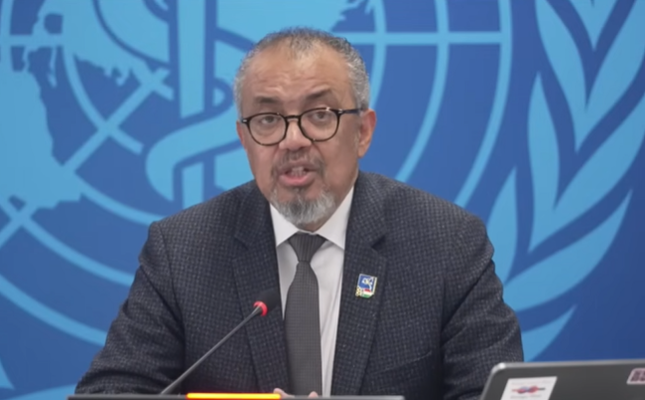
Speaking at a press briefing in Washington D.C. on October 7, WHO Director-General Dr. Tedros Adhanom Ghebreyesus outlined the agency’s ongoing engagement with Russia. He confirmed that WHO was first alerted to the suspected infection in Irkutsk Oblast when Russian officials convened an emergency meeting on the case on October 2. The following day, the organization formally requested additional details from the Russian government in compliance with the International Health Regulations (IHR), a binding global agreement designed to coordinate cross-border responses to potential public health emergencies.
To date, Russian authorities have stated that no confirmed plague cases have been recorded in Irkutsk Oblast recently, though around 200 people who may have had contact with the deceased worker have been placed in quarantine as a precaution. That response has left key questions unanswered, Ghebreyesus noted.
“However, WHO has requested further information on the laboratory tests conducted on the individual who died and the contacts, more detail on what prompted the public health measures, and details about the health status of the contacts,” Ghebreyesus said.
The agency is also seeking formal verification of separate unconfirmed media reports of a second laboratory employee at the same facility who has been hospitalized with pneumonia of unknown origin. In a show of good faith, the WHO has extended an offer of comprehensive technical support to Russia, covering plague diagnostics, as well as laboratory biosafety and biosecurity protocols to prevent future incidents.
At this stage, the global health body says it cannot complete a full risk assessment of the incident, as critical context about the cause of death and the status of exposed contacts remains out of reach. Dr. Tedros emphasized that timely, complete, and transparent information sharing under the IHR is non-negotiable for resolving conflicting reports and accurately evaluating potential risks to global public health.
For context, pneumonic plague is the most severe and only person-to-person transmissible form of the plague, caused by the bacterium Yersinia pestis, according to the U.S. Centers for Disease Control and Prevention (CDC). The infection targets the lungs, causing rapid onset of symptoms including high fever, headache, general weakness, progressive pneumonia, chest pain, shortness of breath, coughing, and in many cases, discharge of bloody or watery mucous. It can develop either as a complication of untreated bubonic or septicemic plague when bacteria spread to the lungs, or through direct inhalation of infectious droplets spread by an infected person or animal. Without prompt treatment, the infection is almost always fatal.
As of Thursday October 8, when the report was published, the WHO says it will continue waiting for Russia to provide the requested details before it can draw any definitive conclusions about the cause of the death or any potential public health risks stemming from the incident.