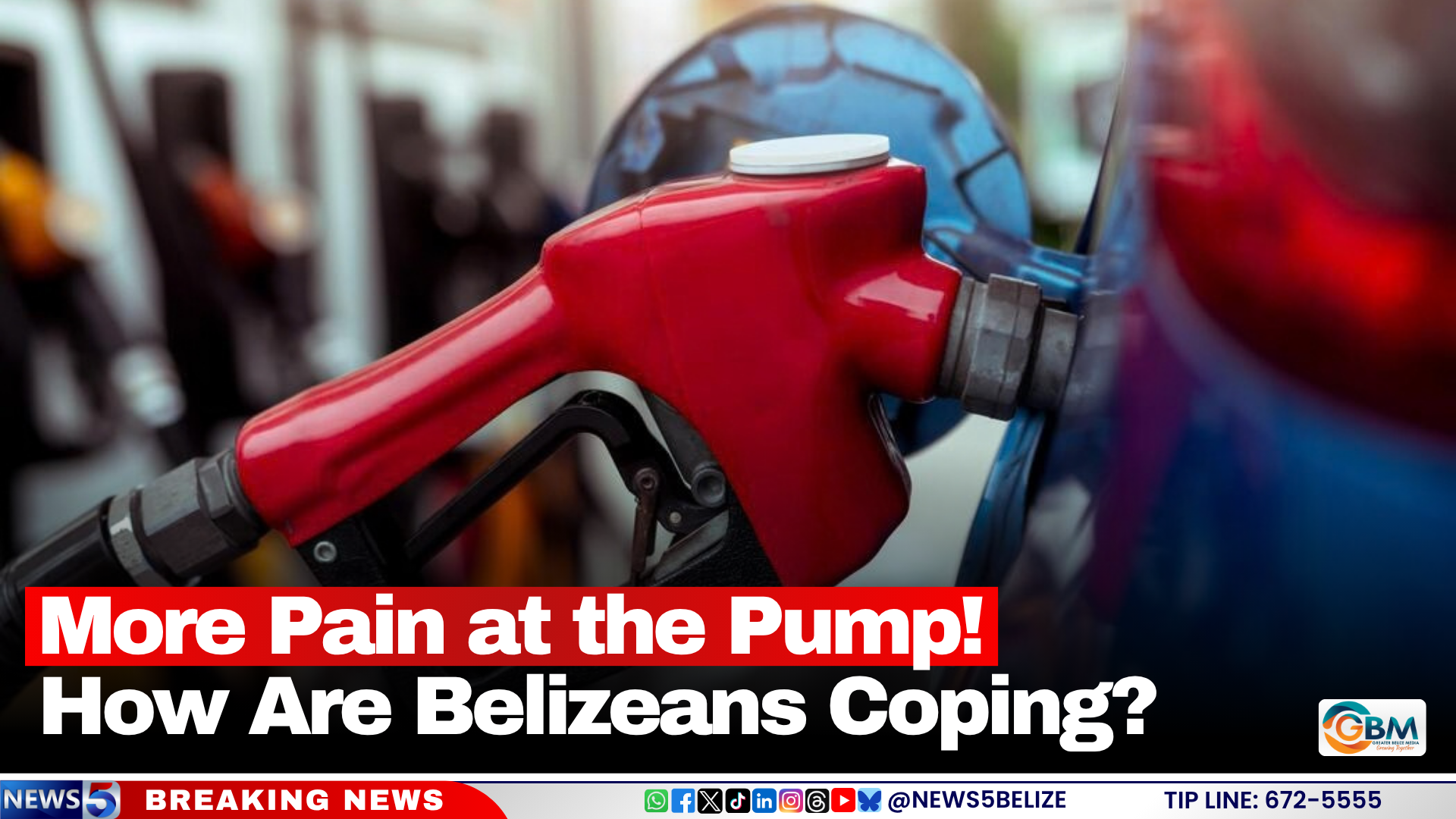
In a fresh blow to household budgets across Belize, motorists are grappling with another steep increase in fuel prices that has forced widespread cuts to discretionary spending and major overhauls of daily travel routines. As of midnight October 2, 2026, regular gasoline now retails at $14.28 per gallon following a 67-cent jump, while premium-grade gasoline now costs $14.53 per gallon. The new price increase arrives on top of already elevated fuel costs that have stretched household finances thin for months.
Interviews with residents across the country reveal how the latest price surge has upended everyday life. For residents in both Belmopan, the nation’s capital, and Belize City, the country’s largest urban center, cutting back on non-essential travel and consolidating errands has become a necessary adjustment. Where families once could make multiple quick trips to local stores for forgotten items, most now rely on detailed shopping lists to combine all errands into a single outing to minimize fuel consumption.
Beyond trip planning, the rising fuel burden has eaten deep into monthly incomes, leaving little room for leisure and non-essential expenses. One Belize City resident shared that they have completely cut back on nights out and restaurant dining, describing the ongoing cost crunch as “rough” for working households. Low-income families and small businesses that depend on personal vehicles for daily operations have been hit particularly hard, as transportation costs now claim a far larger share of their limited budgets.
Currently, only commercial bus operators have received targeted government fuel subsidies to offset rising costs, leaving private motorists and countless small businesses without support. Many affected residents are now calling on national authorities to implement temporary relief measures to ease the pressure. Common proposals include cutting fuel taxes, and launching a temporary relief program similar to the existing GST-free weekends, especially during peak travel seasons such as Christmas and Easter when travel demand surges. Residents argue that even short-term relief would make a meaningful difference for struggling households, easing the financial pressure that has forced widespread cutbacks to quality of life.