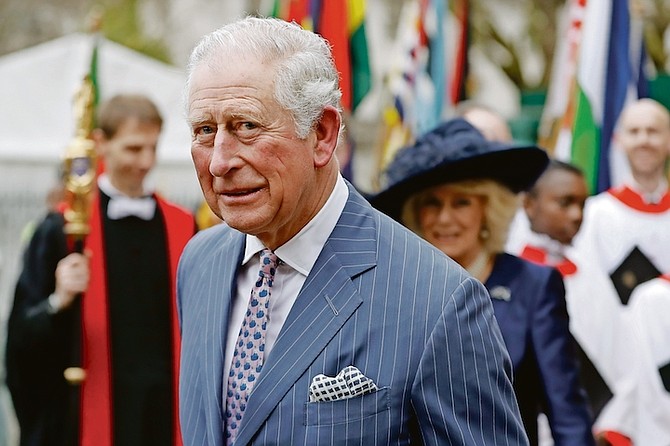
The Bahamian government has released a full schedule for King Charles III’s upcoming three-day visit to the island nation, scheduled to take place between October 27 and 29. This trip marks the King’s first visit to The Bahamas since he succeeded Queen Elizabeth II following her death in 2022, and is part of a broader autumn tour highlighting communities, culture and conservation across the Commonwealth.
This visit holds unique constitutional significance, as King Charles serves as The Bahamas’ reigning monarch and head of state, distinguishing his trip from a standard visit by a foreign leader. Queen Camilla will not join the King for the Bahamian leg of the tour, and will instead meet up with him after he concludes his time in the country. Following his trip to The Bahamas, King Charles will travel onward to Guyana, before attending the Commonwealth Heads of Government Meeting (CHOGM) in Antigua and Barbuda.
Government officials confirmed in a statement released Friday that the visit will center on three core themes that are critical to The Bahamas’ future: youth empowerment, sports development, and marine conservation. The King’s first official engagement will be a Youth Rally at Clifford Park, where he will view cultural performances and community displays created by young Bahamian creators. The government notes that this event underscores the central role of young people to the future of both The Bahamas and the wider Commonwealth, a bloc where more than 60 percent of the total population is aged 29 or younger.
This will not be King Charles’ first trip to Clifford Park; he previously visited the landmark in 1973 as the Prince of Wales, to attend The Bahamas’ official independence celebrations. Beyond the youth rally, the King will also attend a second youth-focused event centered on sports development.
Another key stop on the itinerary is an unannounced natural site on the island of New Providence, where King Charles will receive a briefing on local conservation work that has restored degraded natural landscapes to create critical wildlife habitats. He will also visit the Royal Bahamas Defence Force base at Coral Harbour, where he will learn about the RBDF’s core mandates: protecting the nation’s maritime borders, leading search and rescue operations, supporting national disaster response, and upholding domestic national security.
Additional engagements include a stop at Parliament Square, where the King will meet community representatives from across The Bahamas’ archipelago of Family Islands, who will showcase the breadth of Bahamian cultural heritage. King Charles will also view a traditional Junkanoo parade along the island’s iconic Bay Street. The visit will conclude with a garden reception at Government House for local community and political leaders, following formal meetings with Governor General Dame Cynthia “Mother” Pratt and Prime Minister Philip “Brave” Davis.
Prime Minister Davis released a statement welcoming the King’s visit, noting that the nation is honored to welcome King Charles back to The Bahamas in his role as the country’s head of state. “This visit is a powerful symbol of our shared history and our continued commitment to the Commonwealth family. It provides a wonderful opportunity to showcase the resilience, rich culture, and warm hospitality of the Bahamian people on the global stage,” Davis said. The government has also called on all Bahamian citizens to join in extending a warm welcome to the King during what officials describe as an “historic occasion.”
Despite the official celebration of the visit, the trip has already faced public pushback from the Bahamas National Reparations Committee, which cites Britain’s historic role in oppression and injustices against Bahamians and their enslaved ancestors. The committee argues that the government should prioritize domestic needs over royal visit preparations, and argues that forcing taxpayers to cover the cost of the trip is unjust.
Details of the total cost of the visit have not been publicly disclosed. Officials confirm that the Bahamian government is partnering with the private sector to cover a portion of the expenses, and that the Sovereign Grant, the public funding that supports the British monarch’s official duties, will also contribute to costs. Last month, Finance Minister Michael Halkitis stated he could not specify how much of the cost will fall on Bahamian taxpayers. The most recent high-profile royal visit to The Bahamas, which featured Prince William and Catherine, Princess of Wales in 2022 as part of Queen Elizabeth II’s Platinum Jubilee celebrations, cost Bahamian taxpayers $636,194 in public funds.