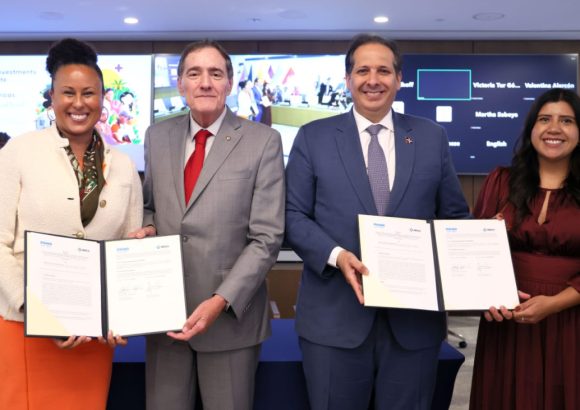
WASHINGTON, D.C. — The Dominican Republic has formally committed to a two-year partnership with the Pan American Health Organization (PAHO) and MSD for Mothers, joining a targeted initiative designed to tackle two pressing public health challenges: preventable maternal mortality and unacceptably high rates of adolescent pregnancy, while breaking down long-standing barriers to equitable access to high-quality maternal healthcare.
This public-private collaborative program, which is also being rolled out across the border in Guatemala, prioritizes marginalized communities where access to essential health services has historically been limited. Core interventions of the initiative include expanding and strengthening three key pillars of care: postpartum family planning support, comprehensive prenatal care for at-risk expectant mothers, and specialized capacity-building training for local healthcare workforces. The training will also cover evidence-based protocols for the prevention and clinical management of a range of infectious diseases that disproportionately impact maternal and child health outcomes, including HIV, syphilis, hepatitis B, and Chagas disease.
Dominican Republic’s Health Minister Víctor Atallah emphasized that this new external partnership will align with and reinforce ongoing national efforts to upgrade maternal and adolescent health services across the country. A notable feature of the program’s design is its intentional inclusion of young people in co-developing health services, ensuring interventions are responsive to the unique needs of the population they aim to serve.
Currently, the Dominican Republic records an average of 12,000 adolescent births each year. Encouragingly, however, the country has already made significant progress in reducing adolescent pregnancy: national data shows the adolescent birth rate has dropped by roughly 55% over the past eight years, falling from 75 births per 1,000 adolescent girls in 2017 to a projected 34 births per 1,000 by 2025.
Across both the Dominican Republic and Guatemala, organizers project that the initiative will directly improve health outcomes for between 10,000 and 15,000 adolescents and young people, advancing regional goals to reduce health disparities and improve maternal health across Central America and the Caribbean.