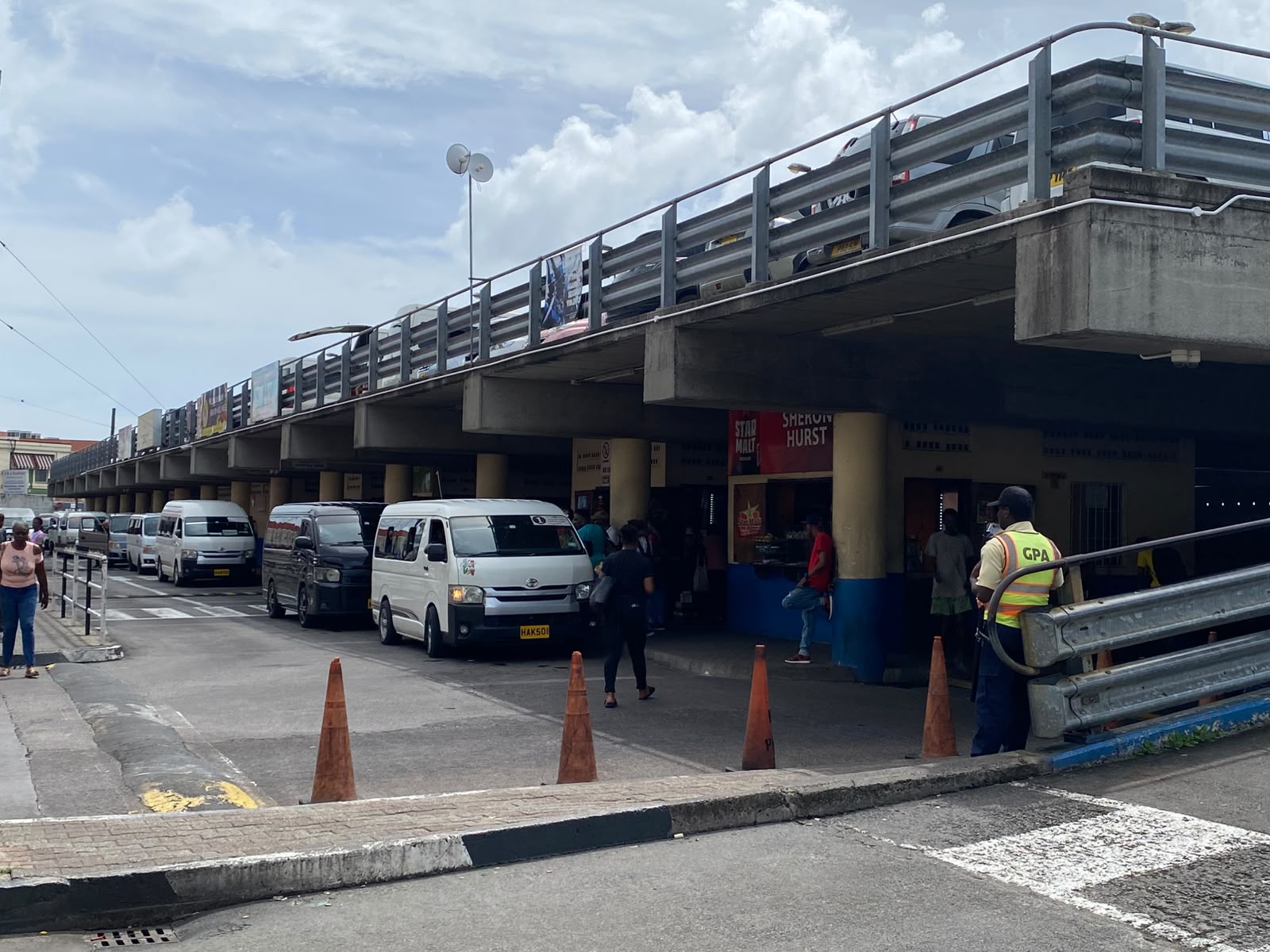
Grenada is poised to roll out a sweeping three-year modernization of its public transportation system, with a series of interconnected upgrades that include pending bus fare increases, major terminal renovations, cashless fare processing, and new traffic congestion mitigation strategies. Prime Minister Dickon Mitchell confirmed that ongoing talks between the government, the Grenada Transport Commission (GTC), and the National Bus Association have put a bus fare increase close to final approval. Negotiators have already worked through core framework details, and only final points remain on the table: the exact percentage of the fare hike, which service routes will be affected, and the official implementation date. Once a full agreement is reached, a joint public announcement from the government and the bus association is expected in the near future.
Terminal infrastructure across the island is also set for major improvements. The national cabinet has already approved the transfer of all existing bus terminals from their current operators to the GTC, including the St. George’s Bus Terminal currently managed by the Grenada Ports Authority. GTC Executive Director Hatuey Campbell outlined that the St. George’s facility is scheduled to undergo comprehensive upgrades starting in 2027, with planned improvements including climate-controlled waiting areas for passengers, real-time digital passenger information systems, covered bus bays to protect passengers from the elements, on-site solar power generation, and purpose-built infrastructure to support the future rollout of electric buses. Upgrades are also planned for terminals in Grenville, Sauteurs, and Carriacou, with renovation work already underway at the Grenville terminal to resolve chronic flooding issues, resurface the facility, and expand parking capacity. Plans for a proposed new terminal in Grand Anse remain on hold, however, as the government continues to evaluate the best approach to meet public transportation demand in that high-traffic area.
In addition to infrastructure changes, the GTC is working to modernize how passengers pay for their trips. Campbell noted that the commission is currently evaluating proposals from two separate vendors to implement a systemwide cashless fare payment network, with options including reloadable contactless payment cards that would eliminate the need for exact cash change on buses. The government is also moving forward to expand overall public transportation capacity through a new partnership that could bring up to 40 new buses to the national fleet, including 20 large electric buses scheduled to arrive by 2027. A national school transportation program is also in development for a 2027 launch, building on data and lessons collected from the successful SpiceBus pilot program, which tested new operational models and transportation technology that can be scaled across the entire public transit network.
In the short term, authorities are prioritizing improved traffic management ahead of the upcoming popular VAT-free shopping days. Campbell and Permanent Secretary Isabel Morris confirmed that additional traffic wardens will be deployed to the most congested areas, including Grand Anse, Lagoon Road, and central St. George’s, with close coordination planned with the Royal Grenada Police Force to keep traffic moving. Transportation officials also plan to run public awareness campaigns to encourage carpooling and the use of off-site parking lots outside of the most congested zones to reduce gridlock. Longer-term traffic solutions being considered include timed signalized pedestrian crossings, adjusted traffic flow patterns to reduce bottlenecks, peak-hour parking restrictions in high-density areas, and the development of new community parking lots to spread out vehicle traffic.
All of these initiatives fall under the GTC’s 2026-2028 strategic implementation plan, which also covers expanded accessibility for disabled passengers, improved road safety standards, comprehensive fare reform, expanded electric mobility adoption, and the modernization of vehicle licensing and inspection processes. Prime Minister Mitchell emphasized that delivering on this ambitious plan will require targeted legislative updates, securing adequate financing, and close collaboration across multiple government agencies and private sector stakeholders. The plan is designed to deliver tangible, visible improvements to Grenada’s transportation network over the next 36 to 48 months, laying the groundwork for a more efficient, sustainable, and passenger-focused public transit system for years to come.