Lawmakers in Antigua and Barbuda have advanced sweeping reforms to the nation’s sexual offences legislation, approving a landmark amendment that introduces life imprisonment as the maximum penalty for any adult who engages in sexual intercourse with a minor placed under their care or trust. The Sexual Offences (Amendment) Bill 2026, which cleared the House of Representatives with no changes proposed during its final vote, expands existing criminal penalties to explicitly cover vulnerable minors in a range of care relationships long identified as high-risk for abuse of power.
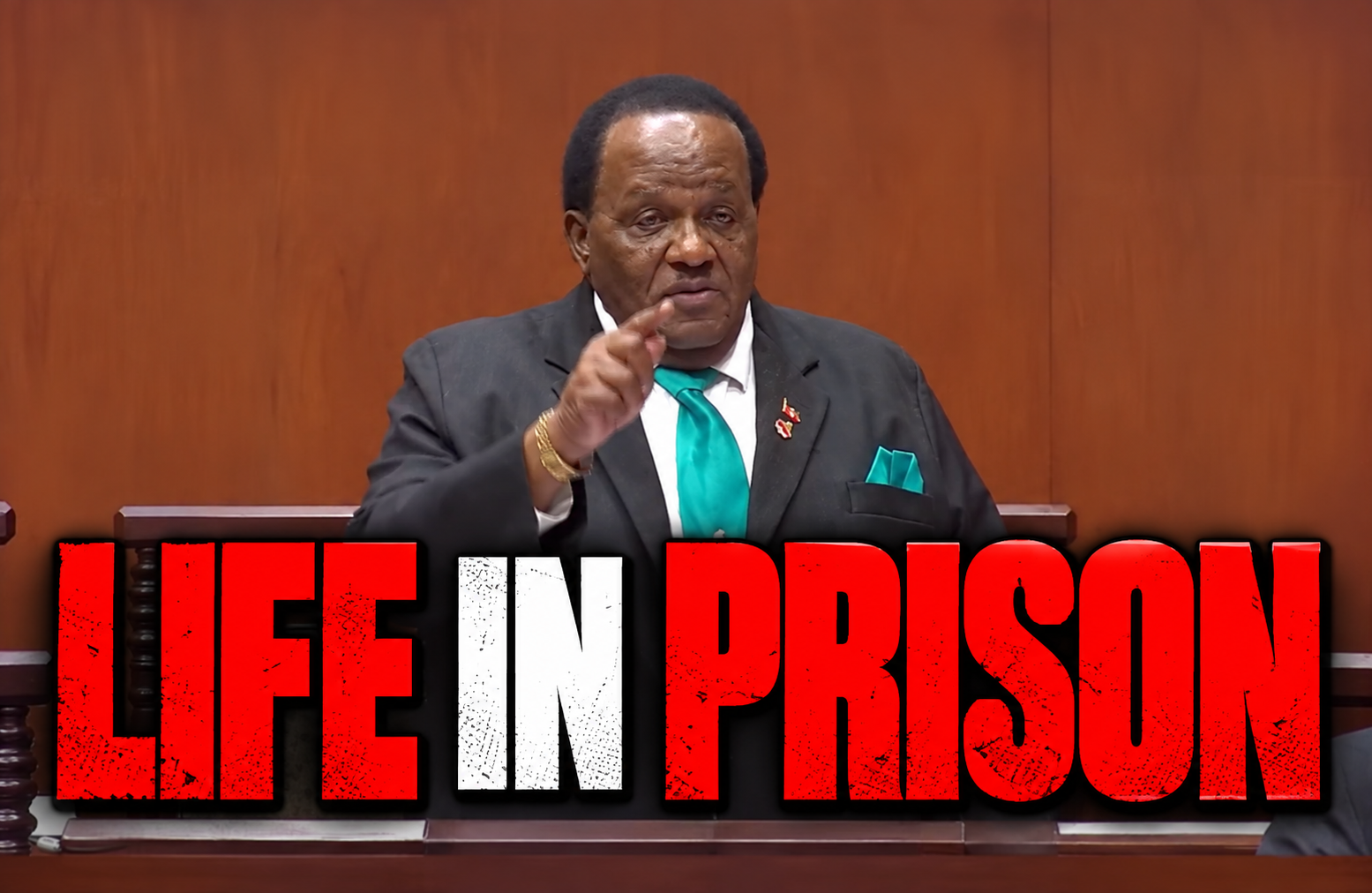
Presenting the bill to parliamentary representatives, Attorney General Sir Steadroy Benjamin outlined that the new provision extends the harsh penalty to cover offenders who hold specific caregiving or trust-based roles over the minor, including adoptive parents, stepparents, foster caregivers, godparents, legal guardians, and any other adult on whom the minor is legally or practically dependent. This targeted expansion of the law fills a critical gap in previous legislation, Benjamin explained, by codifying that any adult who abuses the unique position of trust they hold over a child in their care deserves the harshest available criminal penalty under Antigua and Barbuda’s legal system.
“This change sends an unmistakeable message that we will not tolerate the betrayal of children who rely on adults for safety and protection,” Benjamin emphasized during debate, noting that the stricter penalty reflects the government’s commitment to prioritizing child protection in national policy. Beyond the new life imprisonment provision for caregiver-perpetrated abuse, the amendment also updates existing laws covering incest, general sexual offences against minors, and other violent sexual crimes against children, bringing the nation’s legal framework in line with modern child protection best practices.
The unanimous, unamended approval of the bill marks a significant shift in the country’s approach to combating child sexual abuse, prioritizing harsher accountability for offenders who exploit positions of responsibility over vulnerable young people. Legal and child protection advocates have noted that the explicit inclusion of adopted, foster, and dependent children in the life sentence provision closes loopholes that previously allowed some abusers in non-biological care roles to face less severe penalties than biological family members convicted of similar offences.