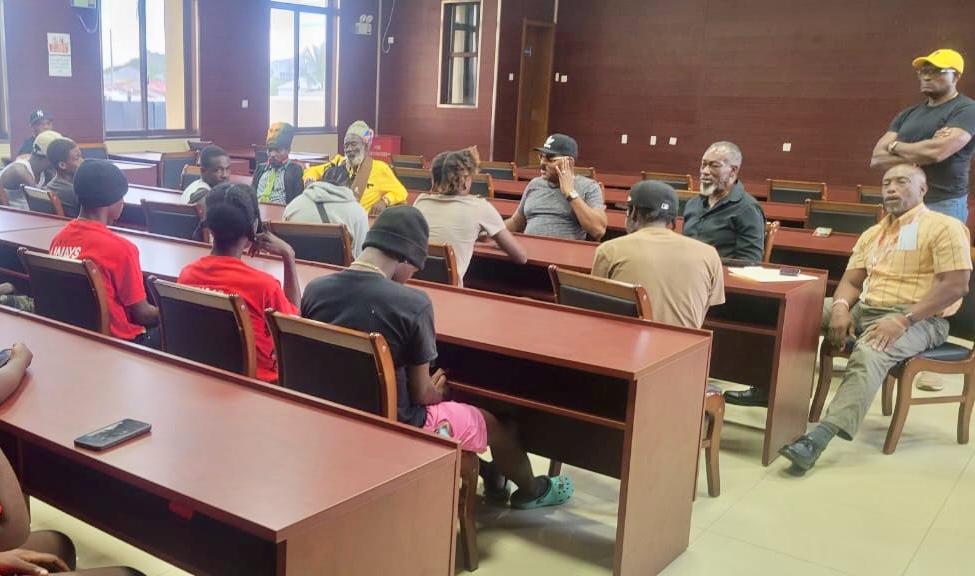
Antigua and Barbuda’s Prime Minister Gaston Browne is pushing for a collaborative, cross-sector response to youth violence, arguing that harsher criminal sentencing alone cannot reverse the deep-rooted trends driving harm in communities. Speaking during an appearance on Pointe FM’s *Browne and Browne Show* this past Saturday, Browne defended a controversial initiative he launched roughly two years ago, which sought to engage former gang members in a bid to help them exit criminal lifestyles.
When the program was first introduced, it drew significant public criticism, but Browne stood by his choice to pursue the intervention Saturday. He emphasized that even if the effort managed to help just one person leave violent gang life behind, the work would have been more than worthwhile. “Even if it’s one of them that we would have saved, it would have been worth the intervention,” he told listeners.
Browne contends that this community-centered approach to reducing violence has proven effective, and now he is calling on every segment of Antigua and Barbuda’s society to share responsibility for steering young people away from harmful paths. He specifically highlighted faith institutions, particularly churches, as key potential partners in the work, extending invitations to parents, private sector businesses, public sector agencies, and civil society organizations to step up and contribute.
The prime minister stressed that youth violence is a far too complex and widespread challenge to be solved exclusively by the government or law enforcement. What is needed, he argued, is a comprehensive “all-of-society approach” that brings all community stakeholders to the table.
Notably, Browne offered few concrete details about the original gang intervention initiative during his comments. He did not share data on how many former gang members participated in the program, how many participants have gone on to reoffend, or what specific support services were offered to participants. He also did not announce any new formal programming or dedicated funding to support the expanded community effort he is calling for.
Browne tied his appeal for broader community participation to a separate core policy priority of his administration: a planned legislative push to introduce longer prison sentences for serious and repeat violent offenders. He explained that extending custodial sentences for high-risk offenders will give correctional authorities more time to deliver meaningful rehabilitation and vocational skills training to incarcerated people before they are released back into communities.
The ultimate goal of this paired approach, he said, is to ensure that people leaving prison have the tools and support they need to build constructive, law-abiding lives. “We’re not only speaking about the issue of stronger sentencing,” Browne explained. “We’re also pursuing a policy of reform concurrently.”
Looking ahead, the Browne administration plans to bring new legislation to Parliament that would establish mandatory minimum sentences for gun-related crimes. The prime minister has repeatedly spoken out against what he views as overly lenient sentences for violent offenses, noting that repeat offenders are often released from prison before they can access the support they need to make lasting changes to their behavior.
Browne also declined to share a clear timeline for the planned in-prison skills training programs, or specific details about what vocational skills the programs would prioritize. His Saturday comments laid out the dual framework of the government’s official response to rising violence: longer periods of incarceration for high-risk repeat offenders, paired with expanded prevention and rehabilitation efforts both inside correctional facilities and across the broader community to reduce recidivism.