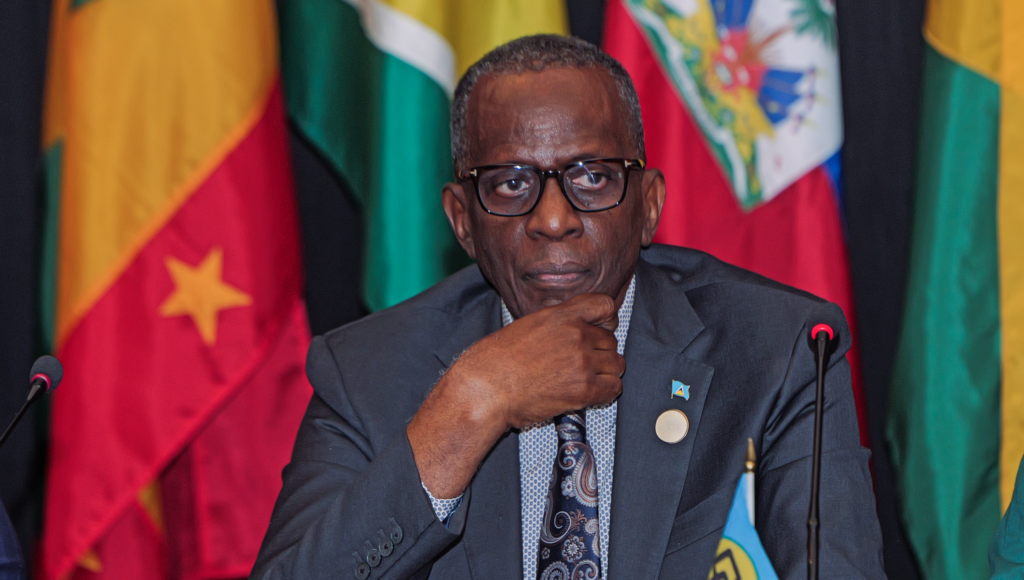
A long-running diplomatic standoff between the European Union and five Eastern Caribbean nations over Citizenship by Investment Programmes (CIP) has reached a critical turning point, after Brussels delivered a non-negotiable ultimatum: wind down these golden passport schemes by June 2028, or forfeit visa-free travel access for all citizens to the 27-nation Schengen Area.
For the Caribbean island nation of Saint Lucia, the mandate has forced a high-stakes choice between two critical national interests. CIP, which grants citizenship to foreign applicants in exchange for substantial investment in the country, pumps critical revenue into Saint Lucia’s public finances, while unimpeded Schengen access enables affordable, easy travel for thousands of ordinary Saint Lucians each year.
The dispute has simmered for years, rooted in European security concerns. EU regulators have long argued that citizenship-by-investment programmes open a security loophole: foreign nationals from high-risk countries can acquire Caribbean passports that grant them visa-free entry to the entire Schengen bloc, bypassing the bloc’s strict background check protocols for entry.
In response to these concerns, Eastern Caribbean governments with active CIP schemes have already implemented sweeping reforms, including strengthening cross-border due diligence processes for new applicants and working toward unified regional regulations for the programmes. But last week’s high-level talks in New York, which brought together Saint Lucia Prime Minister Philip J. Pierre, Antigua and Barbuda Prime Minister Gaston Browne, EU Internal Affairs and Migration Commissioner Magnus Brunner, senior officials from the Eastern Caribbean Central Bank and the Organisation of Eastern Caribbean States, confirmed that these incremental changes had done nothing to shift the EU’s core position.
Speaking at a pre-Cabinet press briefing on Monday, Pierre made clear the EU’s position is final. “The Europeans are adamant,” he told reporters. “There were some people who thought that that could be negotiated. But [Commissioner Brunner] was clear. He said, once you have a programme, that’s it.”
The ultimatum puts Pierre’s government in an uncomfortable position: as recently as March, the prime minister had explicitly rejected calls to end the programme, telling local media outlet *St Lucia Times* that “Saint Lucia has no intention of stopping the CIP programme. We will do all we can to strengthen the programme.”
When asked Monday whether he still stood by that commitment in the face of the EU’s threat, Pierre reaffirmed the value of the programme to his country. CIP contributes roughly 10% of Saint Lucia’s total annual government revenue – a major contributor to public spending, though not the nation’s largest source of income. “It’s a programme that we would not like to lose because it has done quite a bit for our country, but we are going to try to protect it,” he said, adding that the government’s priority remains protecting Saint Lucian citizens and the country’s financial system. As of yet, the government has not announced any plans to begin winding down the scheme.
While diplomatic channels remain open, Pierre acknowledged that the space for compromise has shrunk dramatically. A regional technical team, with Saint Lucia represented by Deputy Prime Minister Dr Ernest Hilaire, is scheduled to hold follow-up talks with EU officials in October to explore potential paths forward. But the prime minister admitted the outcome remains uncertain. “So it’s a very difficult proposition that we have,” he said. “But we’re going to work with them to see if we can come to a solution.”