A frequent leisure traveller has shared a deeply frustrating airport experience that exposes a common, underreported issue plaguing regional air travel: hidden, unreasonably restrictive baggage policies that catch passengers off guard and erode consumer trust.
The traveller, who recently booked a 30-minute regional flight across the Caribbean operated on an ATR aircraft, paid roughly $300 for a ticket that explicitly advertised coverage for one checked bag, one carry-on bag, and one personal item. On its face, the bundled baggage allowance sounded reasonable — that is, until the passenger arrived at the check-in counter and learned of a critical detail omitted from the initial ticketing information: the included carry-on came with a maximum weight limit of 10 pounds, not kilograms, a surprisingly low cap that few casual travellers would anticipate.
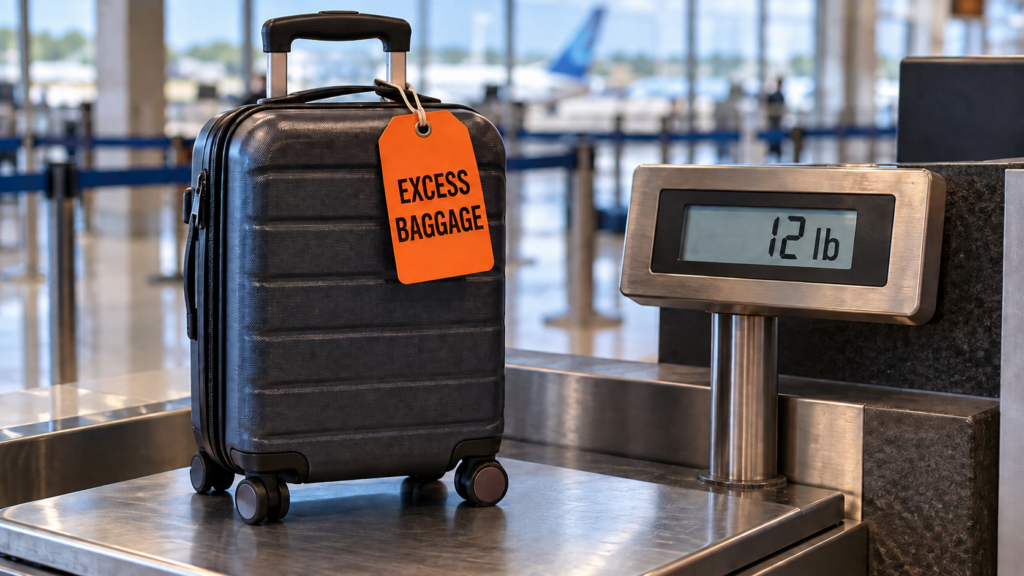
The passenger’s carry-on tipped the scales at just 12 pounds, only two pounds over the arbitrary limit. To make the restriction even more absurd, the empty carry-on bag itself weighed approximately eight pounds, meaning the airline’s policy only left roughly four pounds of space for any actual personal belongings. Even a basic outfit consisting of a pair of jeans and walking shoes would eat up the entire remaining weight allowance, leaving no room for essentials like a laptop, a water bottle, medication, or a travel adapter. For the two-pound excess, the traveller was hit with an unexpected $65 overweight fee, a charge equal to more than a fifth of the total cost of the 30-minute flight itself. Though the passenger opted to pay the fee rather than miss their trip, they left the interaction shocked and frustrated by the blatant lack of transparency.
Prior to weighing their own bag, the traveller had observed other passengers forced to dump and rearrange their personal belongings out in the open at the check-in counter, a public spectacle they did not understand until they found themselves in the same situation. The experience of sorting through private items in front of other travellers to avoid unexpected fees is not only deeply embarrassing but also unnecessarily invasive, the passenger noted, and it is entirely avoidable if airlines communicate restrictions clearly upfront.
What made the experience even more unsettling was the post-fee confusion that followed. After paying the $65 charge for the two-pound overweight carry-on, the bag was marked as “excess baggage,” leaving the traveller with unanswered questions. When staff asked which of their bags the traveller considered a “priority,” the passenger was left confused: after paying an extra fee for the overweight carry-on, could the airline still choose to leave the bag behind? If so, what are the official terms for this scenario? Airline customers have a right to clear, straightforward answers to these questions before they are required to hand over extra money and surrender their belongings.
It is understandable that smaller regional aircraft like ATR models have tighter weight and balance restrictions compared to large commercial jets. But that practical limitation does not excuse the lack of transparency, unreasonable weight caps, and undignified treatment of passengers that come with these policies, the traveller argued. Airlines have a responsibility to clearly disclose all baggage weight limits at the point of ticket sale, set allowances that are actually realistic for everyday travel, and ensure passengers are treated with basic dignity throughout the check-in process.
For a 30-minute flight that already costs $300, passengers should not be forced to find out at the airport that their “included” carry-on is functionally useless, unable to hold even a small amount of personal gear without incurring steep surprise fees. This experience highlights a broader need for greater consumer protection and transparency in the regional air travel sector, where hidden fees and opaque policies have become all too common.