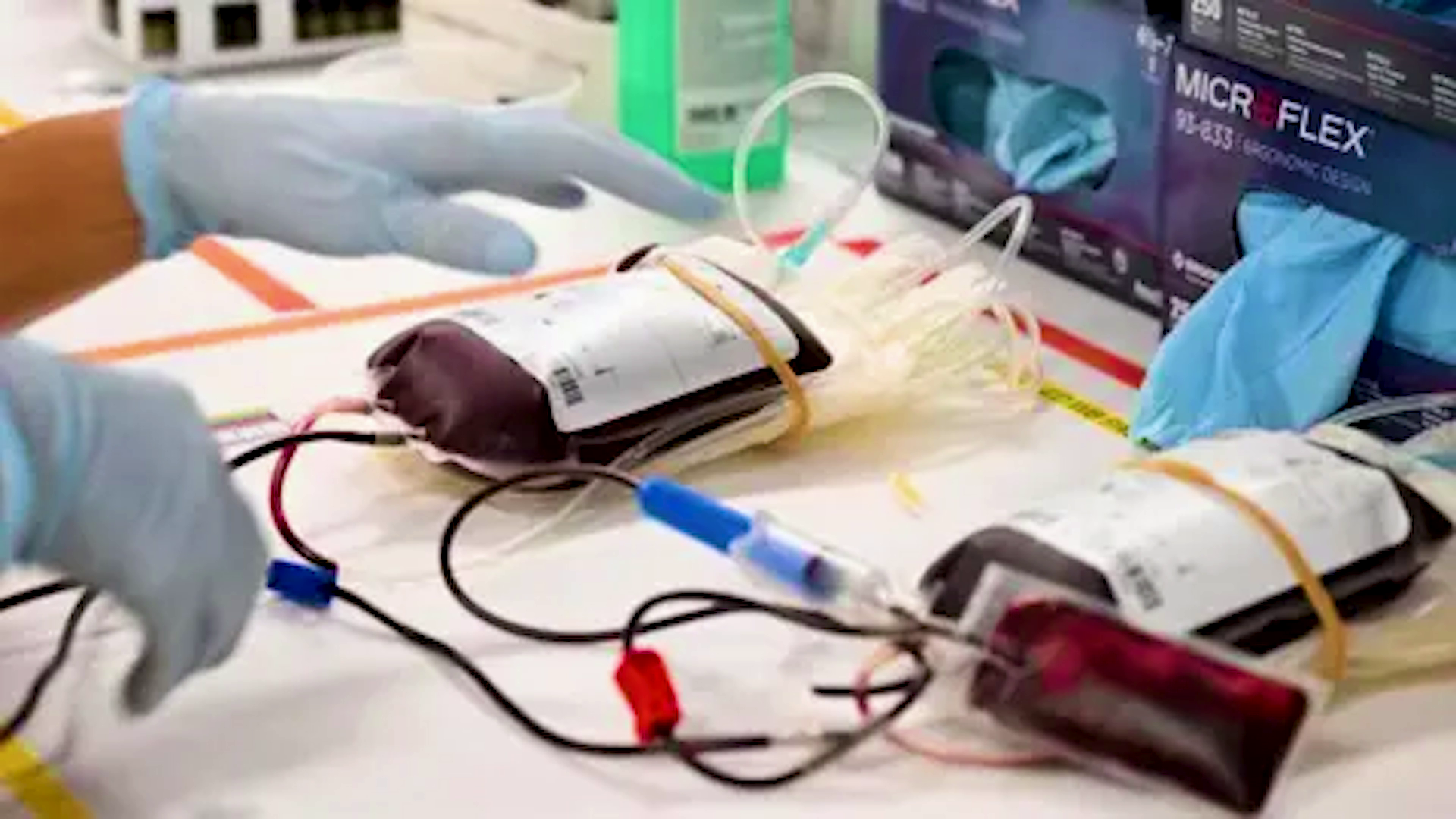
After decades of binding religious prohibitions on blood transfusions for its global community, Jehovah’s Witnesses has announced a landmark shift to personal autonomy for members around four key blood components. The policy change, confirmed by the faith’s Governing Body earlier this month, leaves whole-blood transfusions banned, a core tenet the organization says remains unchanged. This update follows years of public debate around the intersection of religious conviction and life-saving medical care, sparked in part by a high-profile 2016 death in Belize that put the policy in the national spotlight.
In that 2016 case, Emily Guy, a long-time public servant and Jehovah’s Witness missionary, suffered catastrophic injuries when she was struck by an SUV near Novelo’s Bus Terminal in Belize City, which required the amputation of her leg. Guy declined a life-saving blood transfusion in line with the faith’s former strict rules, and died less than 24 hours after emergency surgery. Then-Assistant Commissioner of Police Chester Williams noted at the time that while the driver of the vehicle retained full legal responsibility for the accident, Guy’s refusal of transfusion based on her beliefs was the direct factor that turned her injuries fatal. Guy’s death was far from an isolated incident: for years, believers have faced impossible choices between adhering to religious doctrine and accepting medical intervention that could save their lives during severe illness or traumatic injury.
Under the updated guidance, members are now permitted to make individual decisions about accepting or donating the four primary blood components, even as the prohibition on whole-blood transfusions remains intact. International spokesperson for Jehovah’s Witnesses Paul Gillies emphasized that the core commitment to biblical instruction remains unchanged. “Jehovah’s Witnesses hold firmly to their understanding of the Bible’s command found in Acts fifteen verse twenty to abstain from blood,” Gillies explained. “In keeping with what is a deeply held conviction, we do not accept transfusions of whole blood, nor do we donate whole blood to be transfused to others.”
Gillies clarified that the policy adjustment stems from the fact that the Bible does not explicitly address the separation of whole blood into its individual components, a development that aligns with incremental shifts the faith has made in recent decades around blood fractions and the use of an individual’s own blood during surgical procedures. “Each witness must decide whether or not to donate blood for the clearly expressed purpose of providing components or fractions for use by another person,” he said, adding that the change places the choice firmly in the hands of individual conscience rather than institutional mandate.
For medical providers and patients alike, blood transfusions are often the critical dividing line between survival and death in emergency care, making the longstanding ban one of the most widely debated theological positions of Jehovah’s Witnesses. Gillies noted that the faith community remains appreciative of medical providers who have adapted care to respect their previous restrictions, pointing to ongoing medical advances that have created effective alternatives to full blood transfusions. Church leaders have stressed that the change was driven by scriptural interpretation, not external pressure from the medical community, but the shift opens new possibilities for believers facing life-or-death medical decisions. Where Emily Guy had no choice but to adhere to the full ban in 2016, modern believers in identical situations will now be able to make their own decision based on personal conscience. This report was delivered by Britney Gordon for News Five.