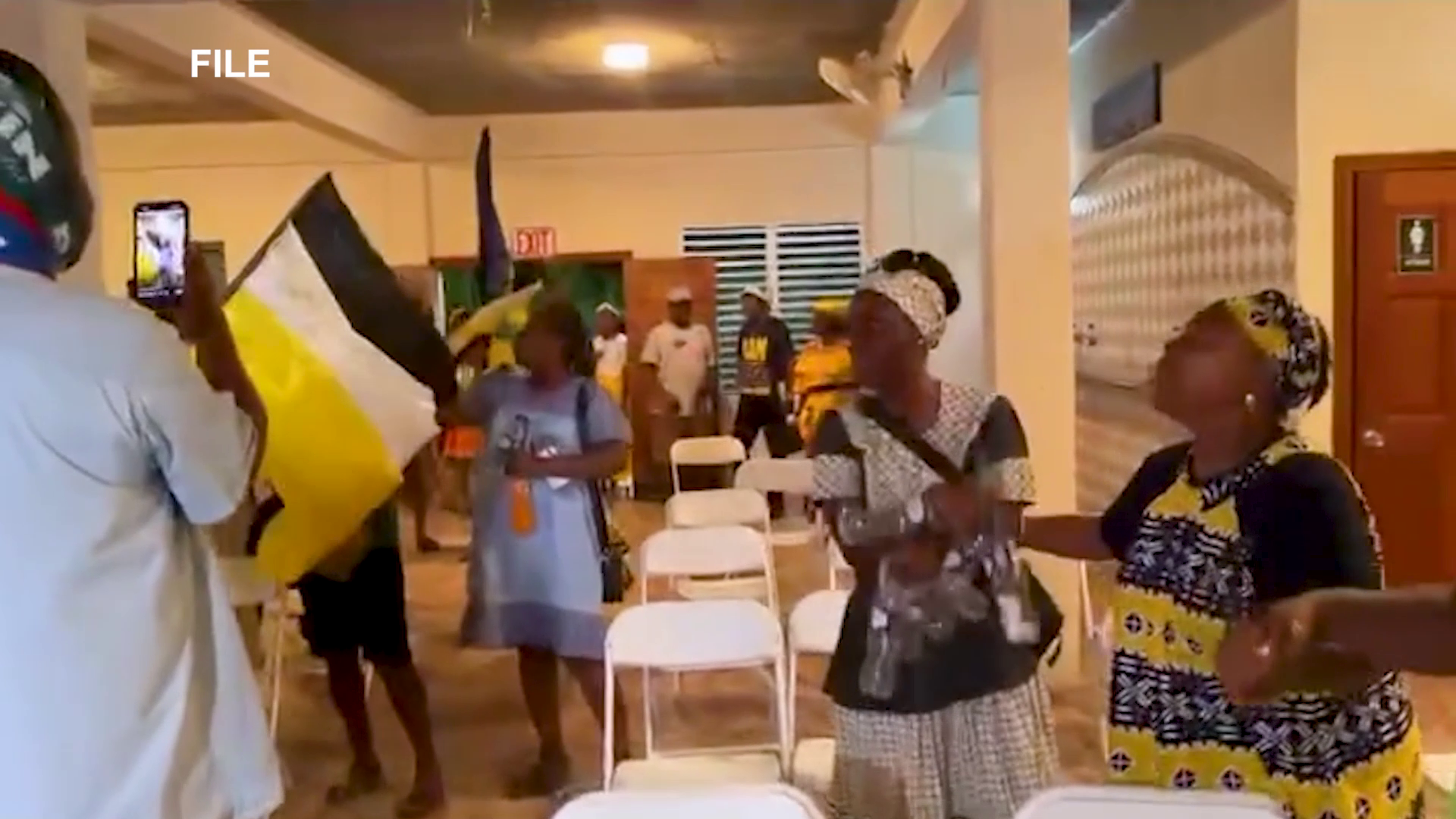
Dated September 23, 2026, a long-simmering debate over indigenous rights in Belize has reignited following a misstep by Prime Minister John Briceño, putting the unmet demands of the country’s Garifuna community back in the national spotlight. Though Garifuna culture is woven deeply into Belize’s national fabric — visible everywhere from local rhythms and traditional cuisine to national holiday celebrations — community leaders warn that symbolic recognition has not translated to the substantive policy changes and tangible support the group needs to thrive.
The recent controversy began when Briceño made an offhand remark during a conversation with internationally known soca artist Machel Montano, claiming the entire Garifuna population of Belize numbered only between 3,000 and 4,000 people. In reality, official demographic data places the community at roughly four percent of Belize’s total population, a count that amounts to more than 16,000 people. After public pushback, the prime minister apologized for the statistical error and extended an invitation to meet with leadership from the National Garifuna Council (NGC) to discuss the community’s core concerns. But for NGC President Alex Nolberto, the inaccurate population count exposed a far deeper gap in how the Garifuna people are prioritized by the Belizean government.
“Look at the value that the Garifuna or Garinagu bring to Belize, and these can be itemized, and it’s gonna take a couple pages. Now, you look at what has been lost from the same Garinagu. We look at the language, we look at the dance, we look at Garifuna dual, our way of life, which is the same thing that we cherish that bring economic value to Belize and bring prominence to Belize. We have to protect those things,” Nolberto explained in an interview with News Five reporter Britney Gordon.
Decades after Garifuna culture gained widespread national recognition as a core part of Belizean identity, longstanding grievances remain unaddressed. The most critical demands center on legal recognition of the Garifuna as an indigenous people, protection of their traditional ancestral lands, expanded economic opportunity for community members, investment in youth development, and targeted support for language preservation. A memorandum of understanding outlining these priorities has been stuck in legislative limbo for years, leaving the community without formal legal standing or access to the government funding needed for community development.
Nolberto emphasized that public celebrations and cultural showcases — while important for raising awareness of Garifuna heritage — only address the “soft aspects” of the community’s existence. What the group needs now is hard legal and policy change to secure its long-term survival. “These are the soft aspects of our existence. What we now need to be able to migrate and have these, these very difficult conversations, surrounding things like our memorandum of understanding, which is still in the pipeline, that will cement our place in our legislation, that would legally recognize us as indigenous people, and that will bring the resources that we so need to develop our people,” he said.
Rather than rejecting cultural recognition entirely, Nolberto frames it as a strategic starting point to advance broader, more consequential goals. Garifuna music, art and cultural tourism already draw millions in annual revenue for Belize’s economy and boost the country’s global profile, a strength community leaders plan to leverage to open doors for conversations on more pressing policy issues. “We have to start with what works. We are renowned for our music and dance. We have prominent artists. We are global as a people. So we will work with that aspect of the culture to move the other areas that we think have been neglected, the areas that we think are critical. So we promote and we appreciate the recognition for our artistry, and so we continue to work on those things that will get our foot in the door to have these serious conversations,” Nolberto noted.
To amplify their collective advocacy, Garifuna leaders have also joined forces with other indigenous groups across Belize through the revitalized Belize National Indigenous Council. Nolberto argues that cross-group unity is critical to amplifying indigenous voices and pushing for shared reforms, particularly around land rights and formal legal recognition. As the planned meeting between Prime Minister Briceño and NGC leadership approaches, the Garifuna community remains focused on turning decades of symbolic celebration into tangible, lasting progress that protects both their heritage and the livelihoods of current and future generations.