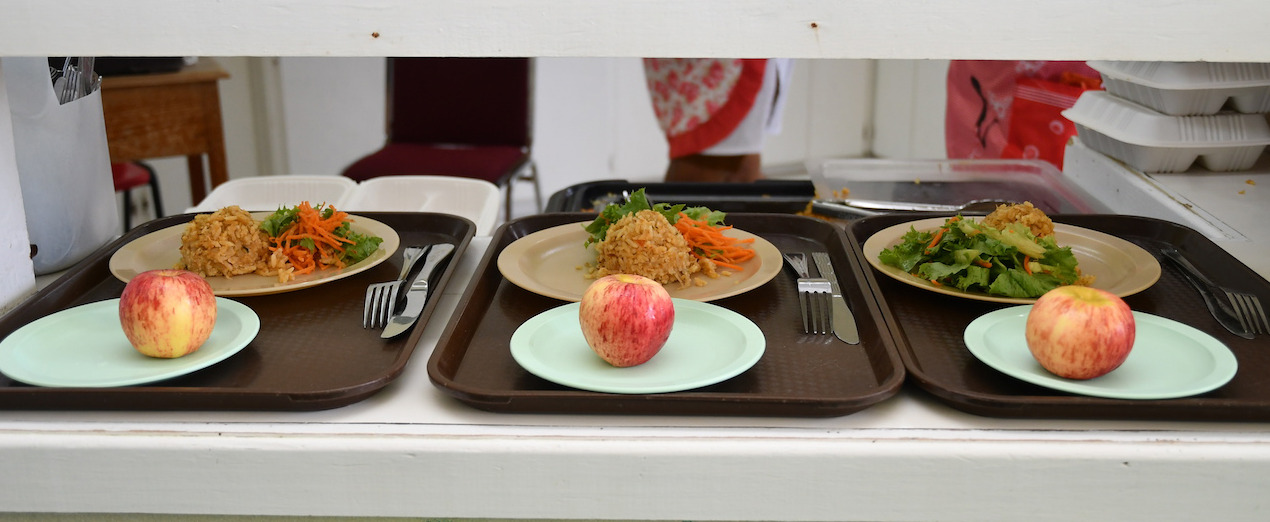
For any child stepping into a classroom, the first and most foundational challenge to learning is not a difficult curriculum or an unfamiliar lesson—it is an empty stomach. The developing brain, which accounts for roughly 20% of the body’s total energy expenditure, cannot function at full capacity when a child skips their morning meal. This basic unmet need translates directly to tangible learning barriers: shortened attention spans, weakened memory retention, and diminished cognitive endurance that no skilled teaching or well-designed curriculum can overcome. It is against this backdrop that the full national rollout of the National School Breakfast Programme by Barbados’ Ministry of Education Transformation stands as one of the most impactful victories for public education in the country’s recent history.
This universal free breakfast initiative for all nursery and primary school students across Barbados directly dismantles one of the most fundamental, yet often overlooked, barriers to educational access. Nutrition is not an ancillary concern—it is a non-negotiable prerequisite for effective teaching and strong student performance. Beyond the classroom, the programme also acts as a critical tool for advancing socio-economic equity. Discussions of educational equity often center on access to textbooks, digital devices, and upgraded infrastructure, but the true baseline of student potential is physical well-being. When every child, regardless of their household income or family background, starts the school day with adequate nourishment, the playing field for learning becomes dramatically more level. A universal access model also eliminates the social stigma that often comes with targeted state food assistance, allowing all families to access the benefit without shame, making the programme a truly inclusive public resource.
While this policy shift is undeniably transformative and worthy of celebration, translating a bold policy announcement into consistent, effective daily delivery across dozens of schools requires honest, ongoing evaluation of implementation challenges. Celebrating the Ministry of Education Transformation for launching this initiative does not require ignoring the practical hurdles that come with scaling large-scale social programmes. For the programme to reach its full potential, four key operational areas demand deliberate, sustained scrutiny.
First and most critical is the balance between nutritional quality and the pressures of mass production. When catering thousands of meals daily, operational pressures naturally push providers toward options that prioritize convenience, long shelf life, and speed of preparation over optimal nutrition. It is all too common for large-scale catering operations to fall back on heavily processed foods and ultra-palatable high-carbohydrate options that quiet immediate hunger but fail to deliver sustained energy. A breakfast heavy in refined sugars and simple starches may fill a child’s stomach, but it will trigger a mid-morning glucose crash that leaves students sluggish and unfocused just a few hours after the start of class. For the programme to deliver on its promise, every meal must consistently provide complex carbohydrates, lean proteins, and the full range of essential micronutrients that support steady cognitive function.
Serving fresh, high-quality whole food on a national scale does come with a higher per-meal cost than relying on cheap processed alternatives. This reality makes two factors non-negotiable: long-term partnerships with local Barbadian farms, and sustained, protected public funding for the programme. This conversation around breakfast nutrition also ties directly to the broader national conversation about school food policy that Barbados is already having. The Ministry of Education Transformation has already introduced a National School Nutrition Policy, alongside an approved list of snack options intended to guide healthier choices in schools. While these efforts represent important progress, they highlight a lingering gap in how the system evaluates what counts as healthy food. Many products marketed as “healthy” or “fortified” hide high levels of added sugar, excess sodium, and artificial additives behind misleading labeling. Even on the current approved snack list, many options fail to meet genuine nutritional standards, revealing that the education system is still learning to cut through corporate marketing and decode modern food labeling accurately. This serves as a critical lesson for the breakfast programme: policy compliance is meaningless if the policy itself relies on outdated definitions of nutritious food. To address this, the programme should add independent oversight from certified clinical nutritionists, and publish weekly school menus publicly for community review, ensuring meals meet a strict standard of whole-food nutrition rather than just checking administrative boxes.
Beyond the content of the meals themselves, the supply chain that powers the programme requires ongoing evaluation. Sourcing ingredients for a national programme demands a resilient, reliable logistics network—and this rollout presents a unique opportunity to build direct, mutually beneficial partnerships with local Barbadian farmers and agricultural cooperatives. Sourcing fresh, locally grown produce for school meals does more than improve meal quality and cut reliance on imported processed goods: it reinvests public funds directly back into the Barbadian local economy, supporting small-scale agriculture and strengthening local communities. Maintaining consistent, seamless supply chains that avoid unexpected shortages or drops in quality will be essential to ensuring every student in every parish receives their daily breakfast without interruption.
The third key consideration is aligning menus with student preferences, dietary needs, and broader household dynamics. A breakfast programme is only effective if students actually eat the food provided. To avoid widespread food waste, programme administrators will need to actively collect student feedback, track consumption patterns, and adjust menus dynamically to reflect what children enjoy and will eat. If certain nutritious items are consistently rejected, the programme must be agile enough to swap them for alternatives rather than letting public funds go to waste. Beyond menu adjustments, the programme also needs a clear plan for safe surplus food redistribution. At the end of each morning, unserved safe food is inevitable when student attendance fluctuates. In a country where many vulnerable community members and unhoused people face ongoing food insecurity, letting this nutritious surplus go to waste would be a missed opportunity to expand the programme’s social good. Establishing clear, food-safe protocols for redistributing surplus meals through partnerships with local shelters, community organizations, and food banks would ensure every meal prepared serves a purpose, even when demand is lower than expected.
Crucially, school food does not exist separate from home life. A child’s taste preferences and dietary habits are shaped most strongly by the foods they eat at home. If a child is not used to eating whole, unprocessed foods, they are far more likely to reject the nutritious options offered at school. This is where families can play a critical supporting role: parents can help children build new habits by limiting sugary beverages at home, introducing a wider range of whole food flavors, and encouraging children to try the new wholesome options offered through the school programme. School meals provide an essential foundational baseline, but lasting dietary change for children requires intentional partnership between home and school.
Finally, this large-scale public intervention requires long-term budgetary protection to remain effective. National economic conditions will always fluctuate, but a child’s need for daily nourishment does not change with fiscal cycles. Protecting the National School Breakfast Programme’s budget from future austerity cuts or administrative shifting is paramount. This programme must be treated as a permanent, non-negotiable pillar of Barbados’ national educational infrastructure, not a disposable temporary initiative.
Investing in student nutrition delivers long-term dividends that extend far beyond improved test scores. It shapes consistent classroom focus, better long-term health outcomes, and lifelong healthy eating habits that benefit individuals and the entire nation. By celebrating this bold, transformative initiative while holding the line on strong implementation standards for nutritional quality, surplus food redistribution, and home-school alignment, Barbados can turn a simple daily morning meal into a powerful engine for long-term national educational success.