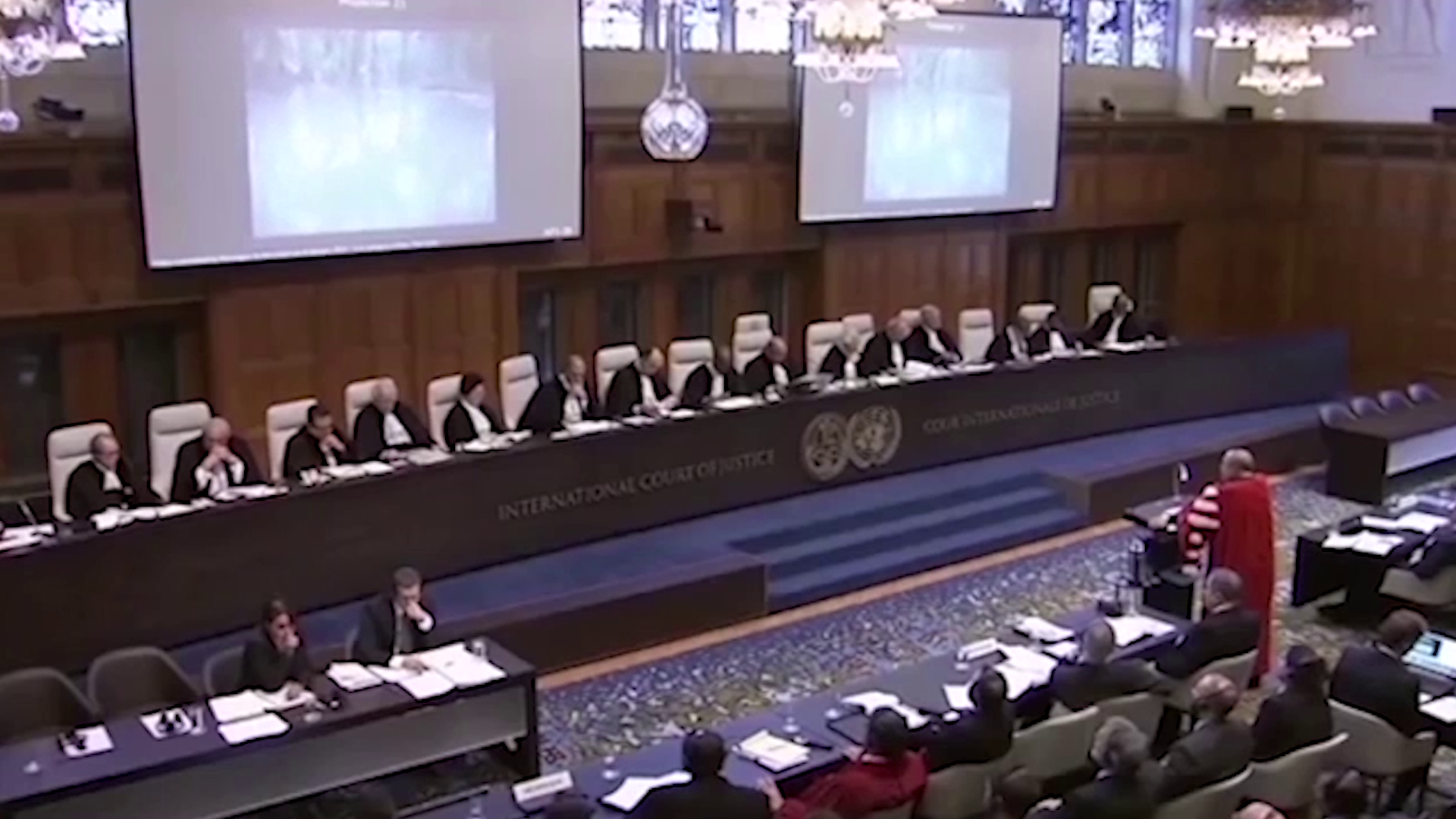
As the International Court of Justice (ICJ) prepares to deliver a landmark ruling on the decades-long territorial dispute between Belize and Guatemala, Belizean Prime Minister John Briceño has confirmed his administration is already building a broad coalition of global and regional backing to guarantee Guatemala abides by the court’s final decision. While the ICJ’s judgment will formalize a legal resolution to the border conflict on paper, Briceño emphasized that enforcing the ruling and securing Belize’s internationally recognized boundaries will require coordinated diplomatic pressure from the international community. Decades of intermittent tensions and repeated Guatemalan claims to Belizean territory have prompted Belize to proactively engage partners long before the ruling is handed down, to prevent post-judgment escalation. In a recent public address, Briceño acknowledged that pushing for compliance will not be a simple process, noting that hardline factions within Guatemala that oppose a ruling favorable to Belize will likely push back against the court’s decision. Even so, he reaffirmed Belize’s longstanding commitment to a judicial, rather than coercive, solution to the standoff – a path that he says also provides Guatemala a diplomatic off-ramp to accept the outcome without losing public face. “We want a juridical solution to this problem, and that gives them a safe face mechanism to be able to say we were fighting, but ICJ said Belize is independent,” Briceño explained. The prime Minister went on to outline the extensive diplomatic outreach his government has conducted across key global allies, including the United States, Canada, the United Kingdom, Germany, other European Union member states, and Japan. Briceño said these conversations are designed to prep international stakeholders for the upcoming ruling and secure their support for finalizing clear border demarcation once the judgment is released. While Belize’s border is already officially surveyed and marked, repeated incursions and territorial claims from Guatemala have undermined on-the-ground stability, prompting the push for ICJ arbitration. Briceño recapped the long history of attempts to resolve the dispute amicably between the two nations, including a 2004 mediation effort led by international legal figures Paul Reichler and Shridath Ramphal. During that process, even Guatemala’s own legal representative acknowledged Belize’s legal claim to the contested border, Briceño said, but Guatemalan officials ultimately rejected the mediated outcome. The path to ICJ arbitration was first initiated under a previous People’s United Party government led by former Prime Minister Said Musa, and later advanced by the opposition United Democratic Party (UDP) government under former Prime Minister Dean Barrow. Briceño commended Barrow for moving the process forward, noting that his current administration has continued to uphold the commitment to a judicial resolution. Beyond major global powers, Briceño added that Belize has also secured support from regional partners across Central America and North America, including Mexico, Panama, El Salvador, and Honduras. The prime minister expressed confidence that this broad coalition of international and regional backers will pressure Guatemala to respect the ICJ’s final ruling, cementing Belize’s territorial integrity and preventing future tensions along the border. This report is adapted from a transcript of an evening television news broadcast.