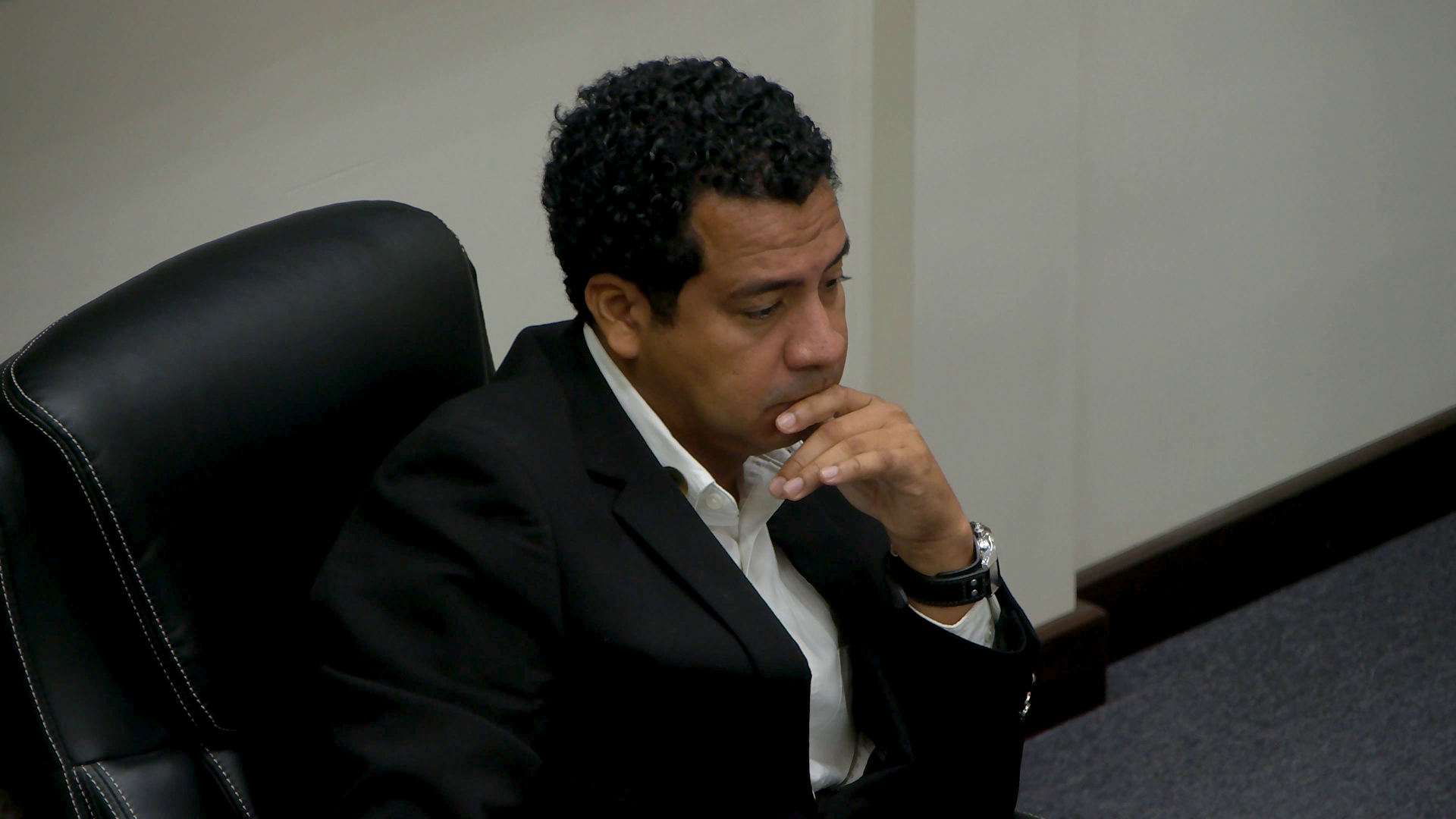
On September 8, 2026, a growing movement of Belizean voters has pushed independent-leaning Senator Glenfield Dennison, a well-known figure recognized for his unfiltered, straightforward commentary in the upper legislative chamber, to transition from legislative advocacy to running as an electoral candidate in upcoming elections. Local political observers and ordinary citizens alike have rallied around the union-aligned senator, urging him to bring his no-nonsense style to a general election contest. The call for Dennison’s candidacy came after a recent public challenge from sitting Prime Minister John Briceño, who questioned the senator’s connection to everyday voters. Briceño argued that before commenting on the needs and priorities of ordinary electors, Dennison needs to first cut his teeth in grassroots politics, completing the on-the-ground work of door-to-door campaigning and community outreach across the country’s districts. In response to direct questions from reporters about whether he had seriously considered entering the electoral race, Dennison delivered a blunt, unexpected reply that has already sparked debate across Belize’s political circles. “I don’t wish to put my name on a ballot. I don’t think the government wishes for me to put my name on a ballot either,” the union senator stated. He went on to warn critics and supporters alike, “be careful what you wish for. Be very careful what you wish for because me and my AI have already ran the numbers and I can tell you which divisions are up for grab.” Dennison pulled back the curtain on internal political calculations, naming multiple incumbent candidates he claims are vulnerable to defeat. He confirmed that local figure Eluide has long aspired to the mayoral office in his district, and argues that Eluide would be an easy incumbent to unseat. Contrary to common narrative that the ruling People’s United Party (PUP) is an unbeatable political force in Belize, Dennison argued the party’s current hold on power stems not from inherent popularity, but from the failures of the main opposition United Democratic Party (UDP). He explained that the PUP’s current majority grew out of widespread public frustration over historic corruption within the UDP, compounded by the opposition’s ongoing failure to organize and unify ahead of the last election – a weakness that persists to this day. “But it is not that the PUP is unbeatable,” Dennison emphasized, pointing to specific electoral divisions, including his home constituency, which he described as “the one with the pliers,” as easily winnable for a strong challenger. He named polling area 73 incumbent Micho Chebat, as well as Alex Balona, as two other vulnerable candidates, asserting “Just any strong candidate like me would beat them.” Despite his confidence that he could oust multiple sitting officeholders, Dennison firmly ruled out entering the race, citing a deep-seated distrust in Belize’s electoral framework. “But I don’t wish to put my name on a ballot because the election itself, the election system itself, I fundamentally believe, is rigged in favor of the two-party system in Belize.” This report is a full, accurate transcript of an evening television news broadcast, with Kriol-language phrases transcribed using a standardized spelling system for accessibility.