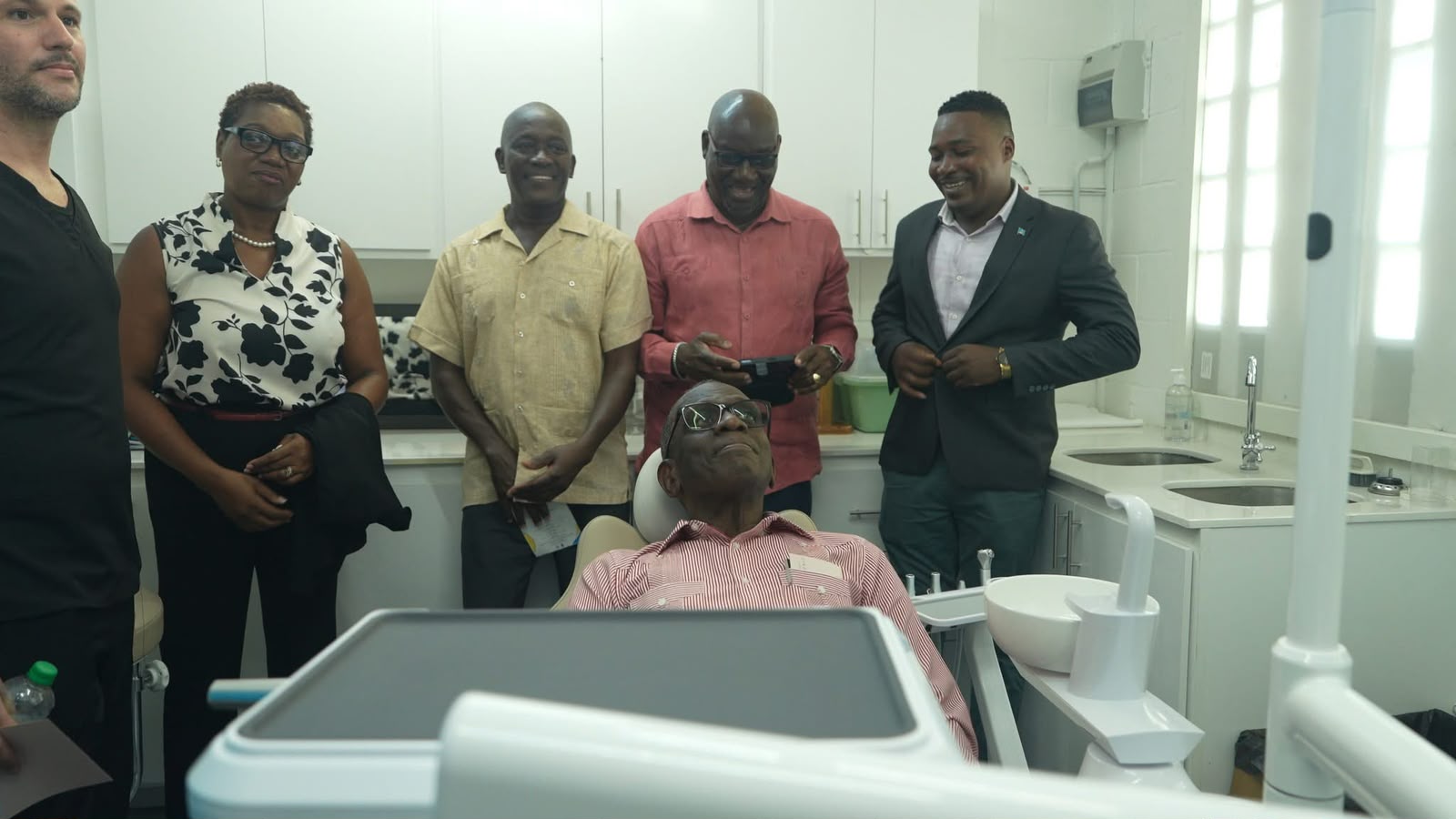
A landmark new on-site medical unit has officially launched at Saint Lucia’s Bordelais Correctional Facility, bringing comprehensive, accessible healthcare services to nearly 560 incarcerated people who have long faced gaps in timely, professional medical support behind bars. The purpose-built facility offers a full spectrum of care, ranging from routine primary health services and emergency medical response to long-term chronic disease management and targeted mental health support, addressing a broad range of health needs that match those of the general public.
The opening ceremony was led by two top government officials: Health Minister Moses Jn Baptiste and Minister for Crime Prevention Jeremiah Norbert, marking a collaborative cross-agency effort to improve correctional health outcomes. Moving forward, the Ministry of Health, Wellness and Nutrition will take full ownership of the unit’s operations, administration, and staffing—a structural change that public health and correctional leaders expect to transform healthcare delivery for the prison population while easing strain on the island’s overstretched public hospital system.
Speaking at the launch last week, Jn Baptiste framed the new unit as far more than an infrastructure improvement: it is a core public, legal, and ethical obligation. “With close to 560 incarcerated residents, in addition to the facility’s full staff complement, we can fairly describe Bordelais Correctional Facility as a small self-contained community,” he explained. “That means guaranteed access to medical services here is not optional. It is a public health imperative, a legal imperative, and an ethical imperative.”
Jn Baptiste emphasized that incarcerated people face the same widespread health challenges as the broader Saint Lucian population, from hypertension and diabetes to mental health disorders and infectious diseases. Expanding on-site access to consistent, evidence-based treatment does more than uphold the human rights of incarcerated people: it also cuts unnecessary costs for the national health system and strengthens Saint Lucia’s overall public health security by preventing unaddressed health issues from spreading beyond prison walls.
Kerwin Albert, Director of Corrections, noted that consistent, timely access to qualified medical care has been one of the facility’s most persistent long-term challenges. By integrating the new unit into the Ministry of Health’s existing infrastructure, incarcerated people will now receive care from fully credentialed health professionals, with care protocols aligned to national public health standards. “This partnership between corrections and public health strengthens accountability, drives better clinical outcomes for patients, and reduces the unnecessary burden on our public acute care hospitals,” Albert said. He added that the initiative also reinforces a core principle: healthcare is a universal human right, even for people in custody, and supporting good health is a foundational part of successful offender rehabilitation.
Prime Minister Philip J. Pierre also highlighted the new medical unit as part of a broader government push to improve conditions at the Bordelais facility. While his administration has already delivered tangible upgrades to working and living conditions for inmates and staff, Pierre acknowledged that additional improvements are still needed. He made clear that the government’s people-centered policy agenda extends to all Saint Lucians—including those serving sentences at the correctional facility.