As The Bahamas makes final preparations to welcome King Charles III and Queen Camilla for the British monarch’s first visit to the Caribbean nation since ascending to the throne in 2022, the country’s leading reparations advocacy group has issued a bold demand: the Royal Family must not arrive next month empty-handed, and must issue a formal apology for centuries of chattel slavery and colonial exploitation that left lasting damage to the Bahamian people.
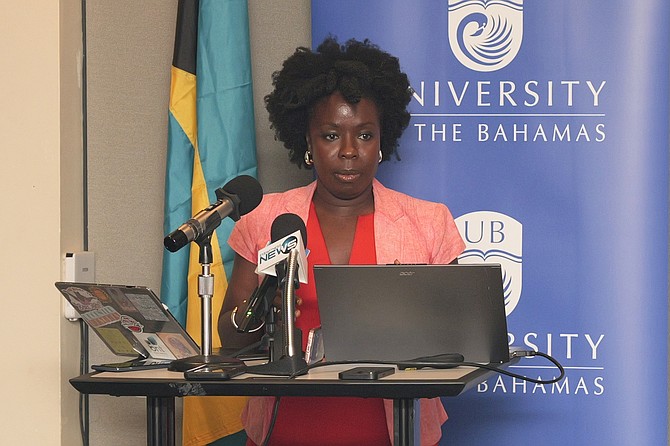
In a public statement released over the weekend, the Bahamas National Reparations Committee (BNRC) – a body established in 2013 under the framework of the CARICOM Reparations Commission to push for compensatory justice from former colonial powers – also reaffirmed its longstanding core demand that The Bahamas sever its formal constitutional ties to the British monarchy and transition to a fully sovereign republic. The group framed this shift as a critical milestone on the country’s path toward true national self-determination.
King Charles’ upcoming tour, scheduled for October 27 to November 4 as part of a wider autumn Commonwealth visit, carries unique constitutional weight for the Bahamas. Unlike a visit from an ordinary foreign head of state, the King serves as the country’s formal Head of State – a role he fills across 15 independent nations worldwide. This will be his first trip to The Bahamas since succeeding Queen Elizabeth II in 2022, and only his second visit to the country in his lifetime.
For the BNRC, however, the continued constitutional connection to the British crown is an unacceptable relic of colonial history. The committee argues that King Charles has no legitimate claim to the role of Bahamian Head of State, as he holds the position not through the consent or choice of the Bahamian people, but as a holdover from the arrangement accepted when the country gained independence more than 50 years ago.
“Fifty-three years later, Bahamian boys and girls grow up learning that they can never be the Head of State in their own country. That position is the reward of our former colonizers,” the statement read.
The group also pushed back against the costly fanfare that typically accompanies royal visits to the country, pointing to the widespread public spending on infrastructure upgrades, public space renovations and ceremonial events that require the participation of schoolchildren. The BNRC argued that these expensive preparations create a misleading facade of national prosperity, masking deep-seated social and economic struggles that are directly tied to the legacy of colonialism.
The committee outlined that the country continues to grapple with systemic challenges: frequent failures of the national power grid, sky-high cost of living that pushes working families into hardship, and an overburdened public health system still struggling to address intergenerational harm stemming from slavery and colonization. These crises, the group emphasized, are not random misfortunes – they are direct consequences of a colonial system that tore Black families apart, forced millions into brutal forced labor, trafficked enslaved people across the Atlantic in inhumane conditions, and treated human beings as disposable cargo.
The BNRC laid out clear expectations for King Charles during his time in the country: he must publicly acknowledge the true, unvarnished history of colonial exploitation and issue a full apology for the harms committed by the British Empire against the Bahamian people. The group specifically called on the King to visit Clifton Heritage Park, a site that preserves the legacy of enslaved people in The Bahamas, to walk the lands where his ancestors forced Bahamian ancestors to toil, and see the physical traces of the trauma of the transatlantic slave trade.
If the King refuses to take this step, the committee added, he will remain complicit in the ongoing erasure of this history. “The time is now for reparations. The time is now for the republic. And the time is long past for our Governments to stop preparing this country for guests and then hand us the bill,” the statement said, echoing Bahamian artist Veronica Bishop: “Don’t come here with your hands swinging; don’t come here empty-handed.”
Questions around the cost of hosting the royal visit have already sparked controversy, as Bahamian officials have declined to disclose how much public money will be spent on the event. Typically, costs for royal tours are split between the British Sovereign Grant, the host country government, and the UK Foreign, Commonwealth and Development Office, depending on the purpose of the trip. When pressed for details on the budget and who would cover expenses, Bahamian Foreign Affairs Minister Fred Mitchell dismissed concerns last month, telling reporters: “Well, he is your king. You should be happy. He’s coming to see you. There’s no bill for our king. Nothing too good for the king.”
After concluding his stop in The Bahamas, King Charles will travel to Guyana for an official state visit, before moving on to Antigua and Barbuda to attend the biennial Commonwealth Heads of Government Meeting (CHOGM), which will bring together leaders and delegates from 56 Commonwealth member states between November 1 and 4. A spokesperson for Buckingham Palace described the autumn tour as an opportunity to celebrate “communities, cultures and nature within the Commonwealth family.”