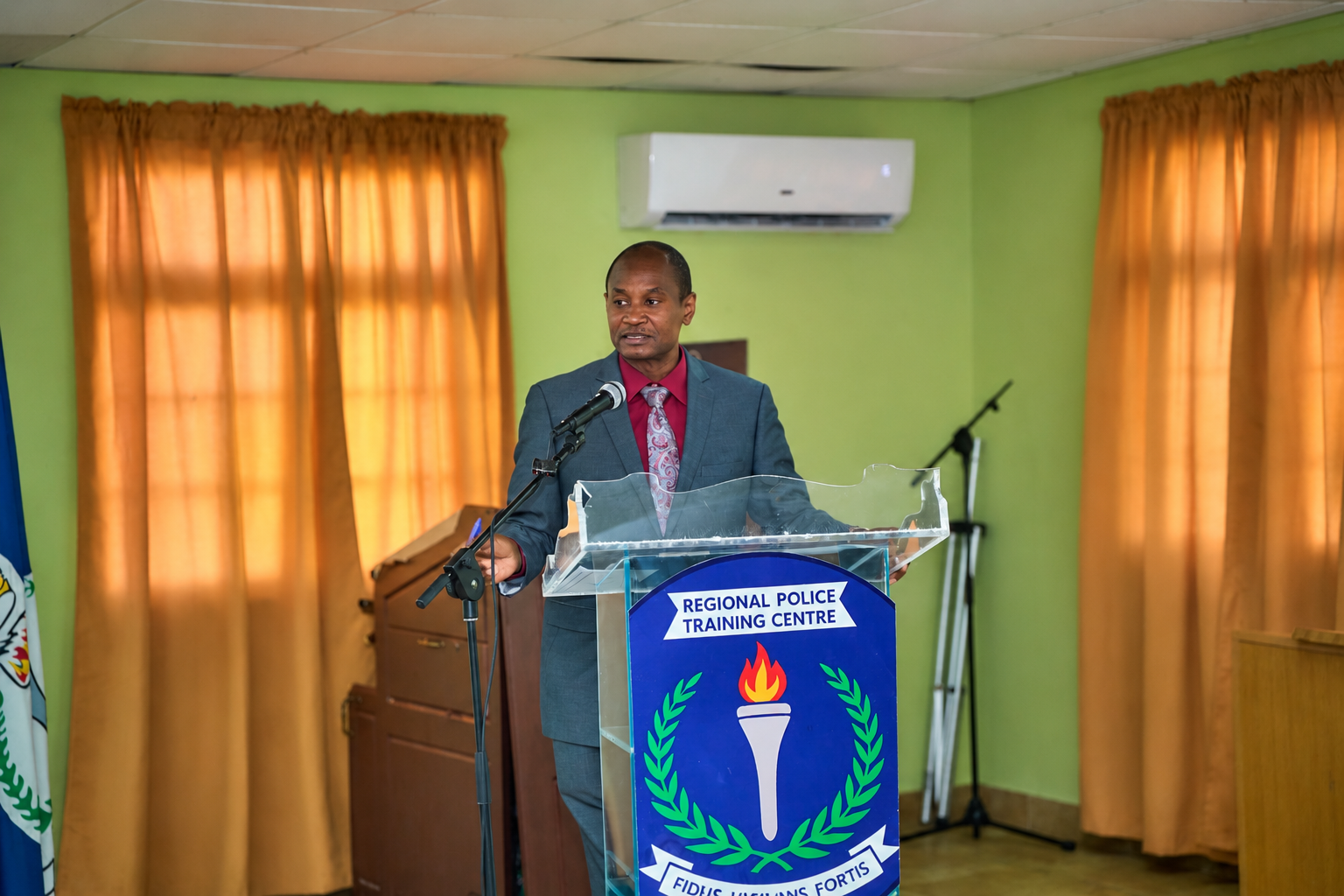
Across the Caribbean, justice system stakeholders are pushing for reforms to streamline criminal case processing, and a recent training initiative in Barbados marks a major step forward in this effort. The Regional Police Training Centre (RPTC), based in Seawell, Christ Church, wrapped up its 2026 Prosecutors and Enhanced Constables’ Development Courses Friday with an awards and closing ceremony, capping off five weeks of collaborative skill-building designed to reshape how law enforcement and legal prosecution teams work together.
In his remarks to graduating participants and program organizers, RPTC Deputy Commandant Lawrence Collymore emphasized that cross-team coordination is not just a procedural improvement, but a foundational requirement for delivering more effective, reliable outcomes in the criminal justice system. For decades, institutional silos have separated investigative police units from prosecution teams, creating miscommunication gaps, procedural delays, and avoidable errors that weaken cases and undermine public trust in justice systems across the region. To tackle this long-standing problem, the 2026 training cycle was built from the ground up to integrate both groups into a shared learning experience.
“A primary strategic objective of this training cycle was the dismantling of the silos that traditionally separate investigators from prosecutors by integrating both groups in a programme to establish a collaborative ecosystem that mirrors the requirements of a high-functioning justice system,” Collymore explained. This integrated approach directly addresses the well-documented weaknesses that often arise during the handoff of a case from the investigative phase to prosecution, a pain point that has plagued regional justice systems for years.
The five-week program, which launched on August 12, brought together dozens of law enforcement and prosecution professionals from across the Caribbean region, creating a space for cross-jurisdictional learning as well as cross-team collaboration. Unlike traditional training that trains investigators and prosecutors in separate cohorts, this course put both groups through the same hands-on practical exercises, including simulated crime incidents ranging from traffic accidents to residential burglaries, structured debates on procedural best practices, and mock suspect interviews. Facilitators ran a rigorous evaluation process throughout these activities, closely observing participants to catch procedural errors early and correct them at their source, rather than allowing bad habits to carry over into real-world case work.
By the end of the cycle, Collymore confirmed the initiative had met and even exceeded expectations, particularly when it came to building habits of real-time collaboration between the investigative and prosecution branches of regional law enforcement. Looking ahead to future training cycles, Collymore outlined two key recommendations to strengthen the program further. First, he called for continuing the practice of mixing junior new officers with seasoned veteran professionals in all integrated courses, a structure that supports intergenerational knowledge transfer and ensures that classroom learning remains rooted in the real-world practical experience that only veteran officers can bring. Second, he pushed for a greater focus on modern practical skills, including electronic evidence interviewing techniques and advanced crime scene management, to keep training aligned with evolving criminal tactics and investigative technologies.
The 2026 training cycle comes as regional law enforcement communities increasingly prioritize systemic improvements to address rising rates of transnational crime and strengthen public confidence. This integrated training model is now positioned to become a permanent framework for future professional development at the RPTC, with the potential to be adopted by other justice training institutions across the Caribbean.