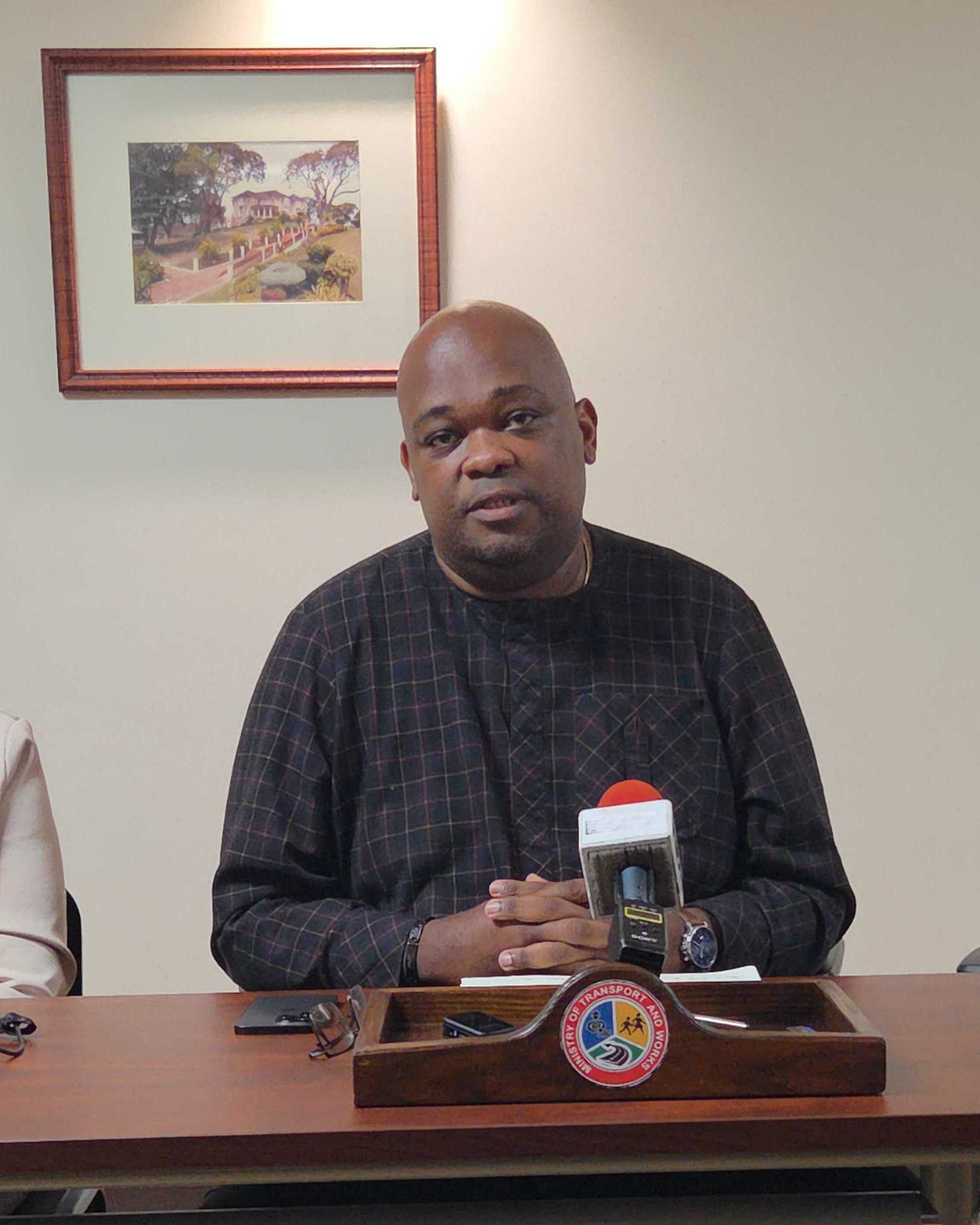
A landmark universal breakfast initiative for public primary and nursery school students is set to launch this Monday, crafted to deliver balanced nutrition that fuels classroom focus without overtaxing young learners, Education Transformation Minister Chad Blackman has announced. Framing the rollout as a long-awaited milestone for public education, Blackman detailed the program’s core mission and preparations during a recent press briefing, addressing public questions about future expansion to secondary education.
Unlike large, heavy morning meals that can leave students drowsy during lessons, Blackman explained that nutrition experts have carefully calibrated portion sizes and menu options to keep children alert and energized through their first classes of the day. “This will not be a massive breakfast that sends kids off to sleep mid-lesson,” he told reporters. “The menu that the team has put together is so well-designed, I even joked that I wish this program had existed when I was a primary school student.”
Blackman emphasized that the program goes far beyond simply providing free food to enrolled students; its core goal is to close nutritional gaps that often leave food-insecure children unable to concentrate on their studies, setting them up for academic success from the moment they arrive at school. The rollout marks the culmination of years of public demand for modernization of the national school feeding system, he added, noting that his ministry has worked systematically to restructure and upgrade the School Meals Department to deliver consistent, high-quality meals across all public educational institutions.
“For years, we’ve heard public calls to revamp the school meals system. We’ve all been through primary school, and we’ve listened closely to what communities want: a modern, improved service that meets student needs,” Blackman said. “This breakfast program is just the first step; our goal is to lift the entire school meals framework into a new era of quality and accessibility.”
In response to questions about food insecurity and financial hardship among secondary school students, Blackman clarified that existing support systems for at-risk secondary students will remain fully in place as the government reviews options for expanding the universal program to older grade levels. Currently, the School Meals Department already provides targeted breakfast access for secondary students who demonstrate need, and ongoing public consultations have identified broader demand for universal access at the secondary level. No final policy decision on expansion has been made, but the ministry is conducting a full review of student needs across all age groups, Blackman said.
The minister also highlighted that long-standing public-private partnership programs that currently provide breakfast to vulnerable secondary students will continue operating uninterrupted while the government formalizes a broader national policy. “These community and private partners have been doing critical work to address nutritional gaps for years, and they will continue to collaborate with us to support secondary students as we map out the next steps,” he stated. “I want to give the entire public full assurance: the ministry and the broader government are committed to ensuring every student, whether in primary or secondary school, has access to the adequate nutrition they need to thrive.”
Closing the briefing, Blackman reaffirmed that all infrastructure and preparations are complete for the Monday launch, with universal access ready to roll out immediately across every public primary and nursery school in the country. “We’ve left no stone unturned to make sure this program is ready to serve our kids, and to create a more comfortable, supportive learning environment for both students and teachers alike,” he added.