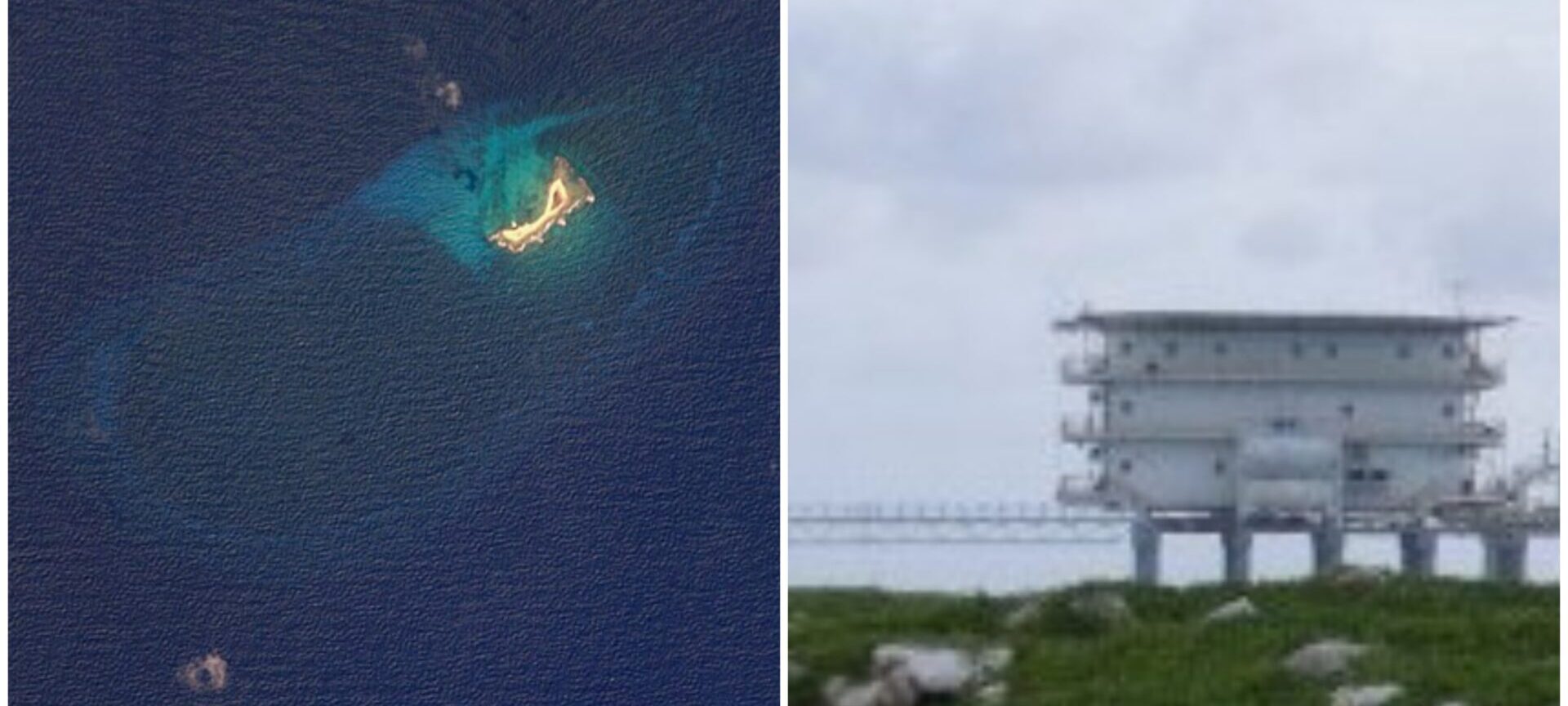
A Dominican national residing overseas has penned an open letter to the nation’s public and leadership, urging a long-overdue, serious public debate over the country’s historical territorial and maritime interests connected to Bird Island, also known as Isla de Aves, a small Caribbean landmass currently under Venezuelan control.
The author, who identifies as a concerned citizen deeply invested in Dominica’s long-term sovereignty, resource security and prosperity, frames the call for discussion as a timely step amid a global wave of nations revisiting their territorial borders, historical rights and natural resource claims. Bird Island sits in close proximity to Dominica’s existing maritime boundaries, and has been a source of quiet regional debate for decades. While Venezuela’s sovereignty over the island has been formalized through past international agreements and historical arrangements, the letter raises unresolved questions over how much maritime jurisdiction and Exclusive Economic Zone (EEZ) rights a tiny landmass of this kind should be granted over the surrounding Caribbean waters.
Against this backdrop, the writer argues that the Dominican government cannot afford to dismiss the issue out of hand. Protecting the interests of current and future generations of Dominicans, they insist, requires a full review of historical records, factual verification, and deliberate public engagement rather than continued inaction.
Crucially, the letter emphasizes that this call for discussion does not equate to a demand for confrontation or hostility toward Venezuela. Any process of review and negotiation, the author stresses, must be rooted in peaceful diplomacy, mutual respect, and strict adherence to frameworks of international law.
To move the process forward, the writer calls on Dominica’s Prime Minister and national cabinet to launch an inclusive national conversation on Bird Island and its adjacent maritime areas. They recommend that the government engage independent legal and historical experts to assess whether any legitimate, unresolved claims related to Dominica’s maritime interests remain outstanding, and hold consultations with regional and international partner bodies to inform the process. The author also suggests that Dominican diplomacy should engage with key international stakeholders, including the United States and other friendly nations, not to solicit third-party intervention on territorial claims, but to access diplomatic support, technical expertise, and guidance under international law to advance the country’s legitimate national interests.
A core component of the discussion, the letter notes, should center on untapped natural resource potential. For years, industry and academic observers have speculated that the broader maritime region around Bird Island could hold commercially viable reserves of oil and natural gas. While the existence of such reserves can only be confirmed through rigorous scientific and geological survey work, the author argues that Dominica has a fundamental responsibility to investigate any areas connected to historical contested maritime claims, given the potential upside for national development. If viable resources are confirmed, the letter notes, revenue from these assets could transform investment in key public services across Dominica, from public education and healthcare to infrastructure development, affordable housing, climate disaster preparedness, youth employment and broad-based economic growth.
The author underscores that all final decisions related to territorial claims and natural resource development must remain the sovereign right of the Dominican people, guided by the national constitution, international law, environmental stewardship, and the long-term public good. No territorial claim or national resource should be negotiated or surrendered without full transparency and thorough public consideration, they add.
Acknowledging that the issue is complex and unlikely to be resolved quickly, the writer argues that avoiding public discussion only does a disservice to the Dominican public and future generations. As an overseas citizen, the author notes that while they are physically separated from their home country, their commitment to Dominica’s future remains unshaken. They conclude by calling on elected representatives, historians, legal experts, diplomats and the general Dominican public to join in a deliberate, responsible review of the issue. The letter ends with a rallying cry for the nation to commit to researching its history, upholding the principles of international law, protecting its legitimate maritime interests, pursuing peaceful diplomatic solutions, and never shying away from asking hard questions that shape the country’s future. ‘The future belongs not only to those who inherit a country, but to those who are willing to protect, question, and responsibly develop its potential,’ the author writes.