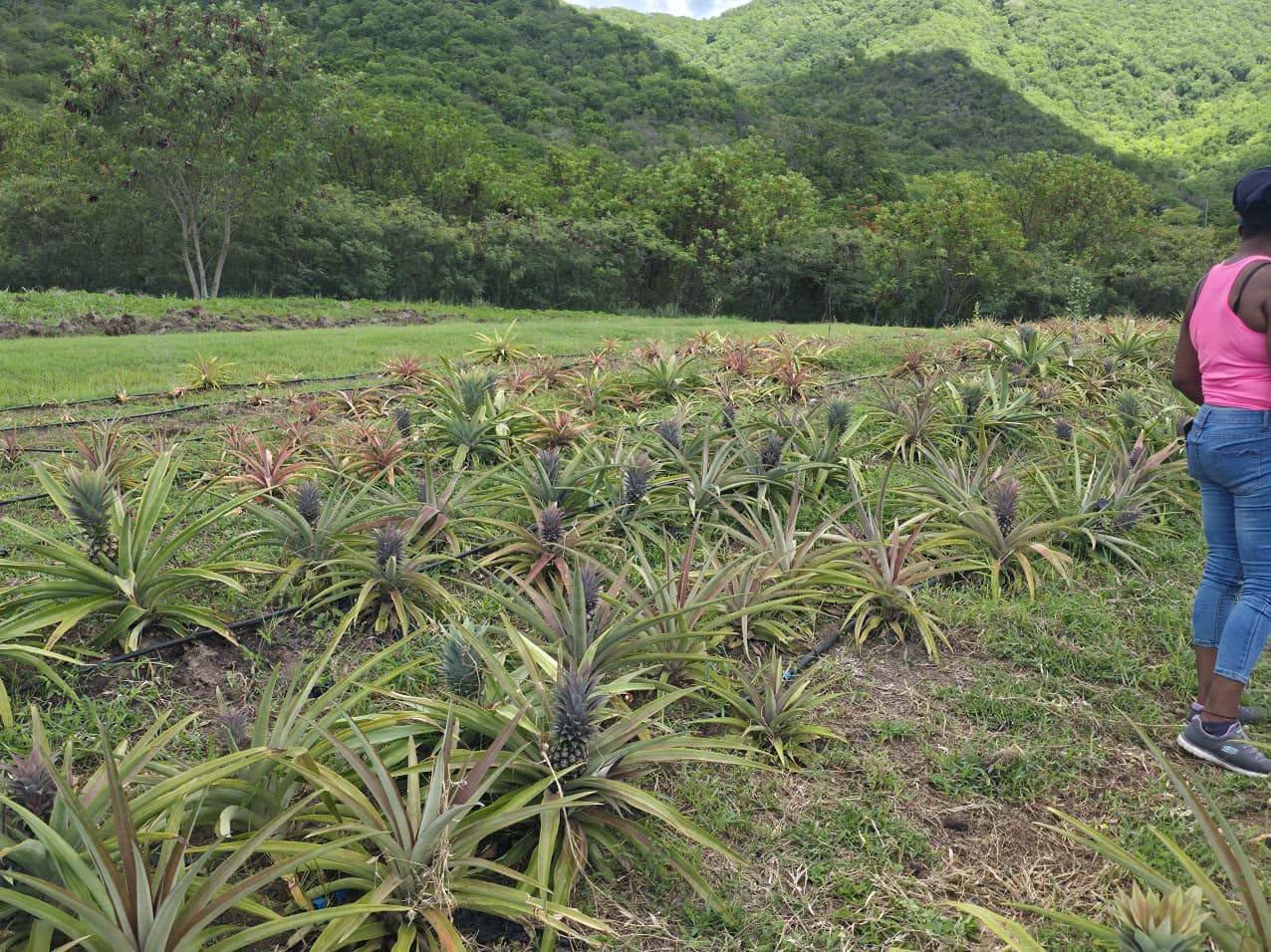
The twin-island nation of Antigua and Barbuda has launched an ambitious revitalization program focused on restoring the prominence of its globally celebrated Antigua Black Pineapple, with a strategic target of growing the national stock of this signature fruit to 200,000 cultivated plants. According to junior Agriculture Minister Anthony Smith, the project has already hit an early milestone, with 15,000 pineapple plants successfully established in growing fields across the country. An additional 15,000 disease-free plantlets are currently being developed off-island through advanced tissue culture propagation techniques at a specialist facility in neighboring St. Vincent. Looking ahead to the next phase of expansion, Antigua and Barbuda is on track to open its own domestic Plant Tissue Culture Laboratory, which is scheduled to reach full operational capacity by October this year. Once up and running, the new onshore facility will eliminate the nation’s reliance on off-island propagation services, enabling local production of high-quality planting material at scale. This local production capacity will in turn allow smallholder and commercial farmers to ramp up output far faster than was previously possible, cutting lead times and reducing associated costs. Minister Smith emphasized that this forward-thinking initiative represents a deliberate fusion of traditional agricultural heritage, modern scientific knowledge, and cutting-edge propagation technology. Beyond reviving a cultural and economic icon, the program plays a key role in advancing the country’s broader national goals around food sovereignty, strengthening domestic food supply chains and improving long-term food security for all Antigua and Barbuda residents. The project also preserves the unique genetic lineage of the Antigua Black Pineapple, a variety prized for its exceptional sweetness, deep color and soft texture that has long been tied to the nation’s identity.