Antigua and Barbuda’s Prime Minister Gaston Browne has made clear that any plan to transition the Caribbean nation from a constitutional monarchy to a republic will only move forward after extensive input from the general public. The country’s leader, who has repeatedly confirmed his personal support for removing the British monarch as head of state, laid out a deliberate, people-first roadmap for the potential constitutional shift during a recent appearance on the *Browne and Browne Show* broadcast on Pointe FM.
“I’m still very much a republican in my own thinking,” Browne told listeners during the Saturday interview. “But at the end of the day, this is a decision that has to be made by the entire Antigua and Barbuda people, not just the government.”
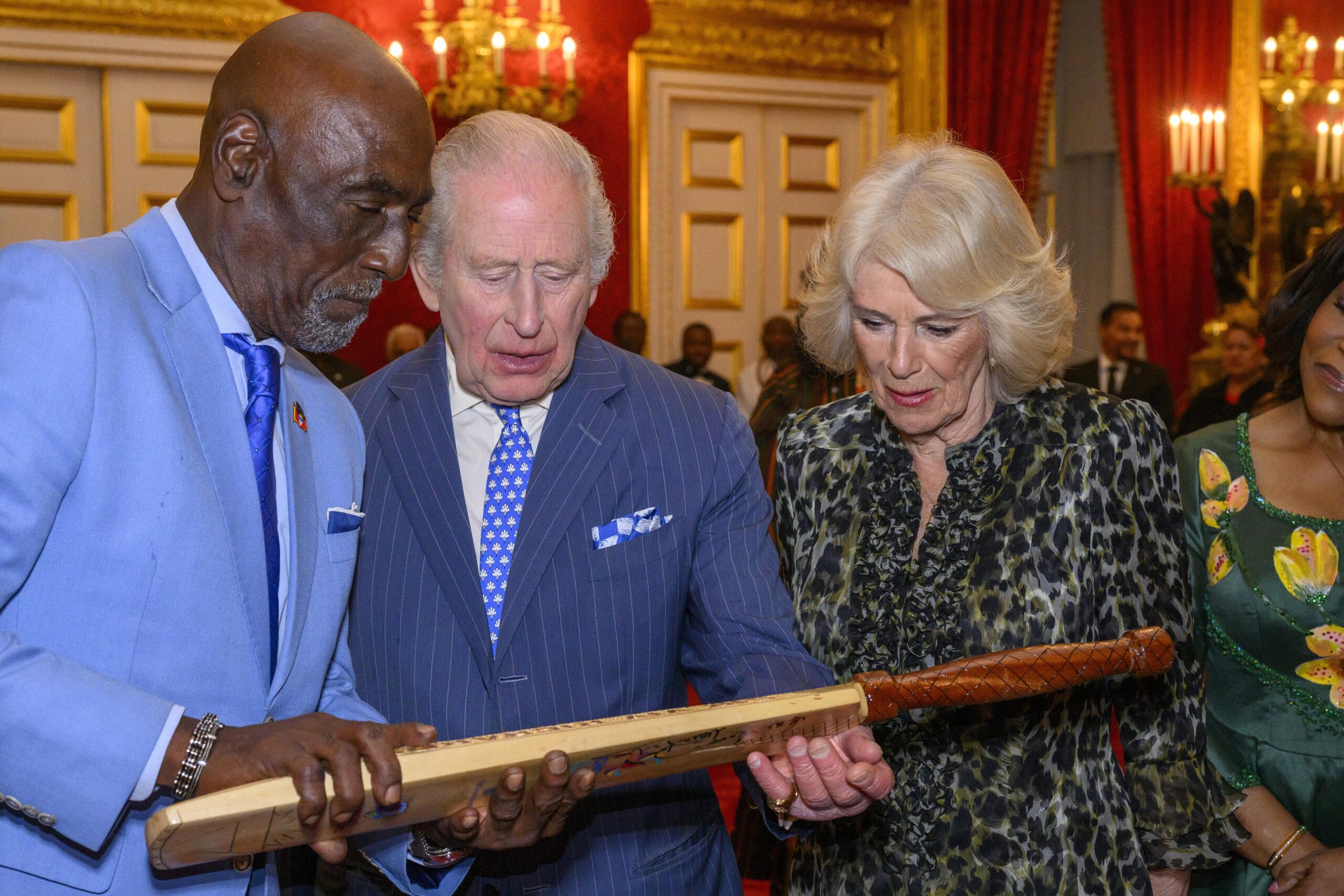
The conversation about republican status came as Browne revealed he has received a formal invitation to meet with King Charles III in the coming weeks. The upcoming audience prompted questions about a past comment from Browne, who previously suggested the country could complete its transition to a republic within a three-year timeline.
Browne emphasized that the government will not rush the process or push constitutional reform ahead of public opinion. Instead, he outlined a multi-stage approach: first open national discussions and broad consultations with communities across Antigua and Barbuda, then conduct independent public opinion polling to gauge widespread sentiment on the change. Only after those steps would a binding referendum be held, the required final step to approve any amendment to the nation’s constitution.
“Before you get to a referendum, you want to at least have discussions about it. Do some polling and see how the people think about it,” Browne explained. “If it is that the people are against it, why push it? I mean, it’s for the people to determine. If the majority does not back the change, the government will not force the issue onto the population.”
Browne drew a parallel between the republican transition debate and another long-proposed constitutional change: moving the Caribbean nation’s final court of appeal from the UK-based Privy Council to the Caribbean Court of Justice (CCJ). Browne confirmed he personally supports accession to the CCJ, but acknowledged that current public sentiment does not yet support the shift.
Neither the republican transition nor the move to the CCJ has been taken off the policy table, Browne clarified. Both initiatives remain on the government’s long-term agenda, but progress will only align with the will of the Antigua and Barbuda people. “We will proceed in step with the wishes of the population,” he said.