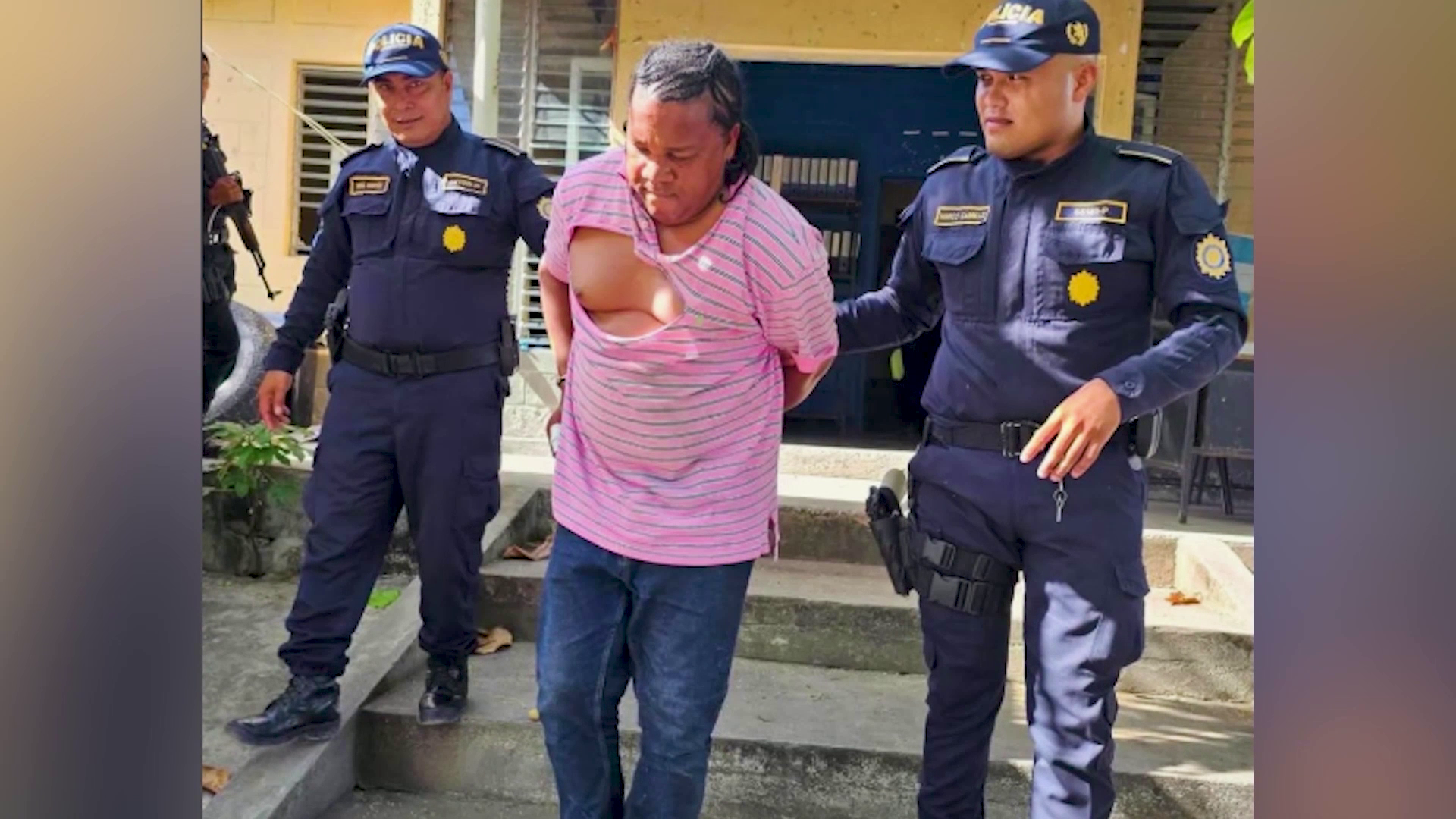
It has been 12 full months since Joseph Budna was forcibly abducted from Belize and transferred into the custody of Guatemalan law enforcement, yet key questions surrounding the controversial cross-border incident remain unresolved, and no individuals have been taken into custody or charged in connection with the affair.
Budna, a convicted criminal who escaped Guatemalan custody while serving out his sentence, had been a fugitive wanted by Guatemalan authorities for years prior to his abduction from Belizean territory. Widespread public and political speculation has swirled for months over who planned and executed the unauthorized transfer of Budna out of Belize, but official investigative updates have brought zero progress: no arrests, no detentions, and no formal criminal charges have been announced more than a year after the incident.
The high-profile scandal triggered significant upheaval in Belize’s law enforcement hierarchy last year, prompting Police Commissioner Dr. Richard Rosado to temporarily step back from his official duties amid public pressure. Now, as public scrutiny has reignited over the completely stalled investigation, Rosado has once again been forced to defend his department’s handling of the case and answer for the lack of accountability.
Addressing reporters this week, Rosado acknowledged that investigators have received the completed case file from the Office of the Director of Public Prosecution (DPP), and that the department is currently working through the directives laid out in the file. “We cannot wrap up complex investigations overnight,” Rosado told reporters, adding that the department has already notched “significant accomplishments” in following the DPP’s guidance throughout the investigative process.
However, reporting has revealed that key instructions from the DPP have gone unfulfilled. Specifically, the DPP ordered police to return Budna’s personal vehicle, along with a tablet confiscated from Budna’s brother, to the Budna family. Those orders have not been carried out, despite the DPP’s directive.
Rosado pushed back against criticism of the unfulfilled order, arguing that turning over seized property without proper formal authorization from the legal owner would expose the entire police department to unnecessary civil liability. “To hand over properties to any individual without the proper documentation from the owner opens the police department to liability,” he explained. “We cannot move forward on that step until all the required paperwork is in place.”
This report is a transcript of an evening television newscast, with all statements originally delivered in Kriol transcribed using a standard regional spelling system.