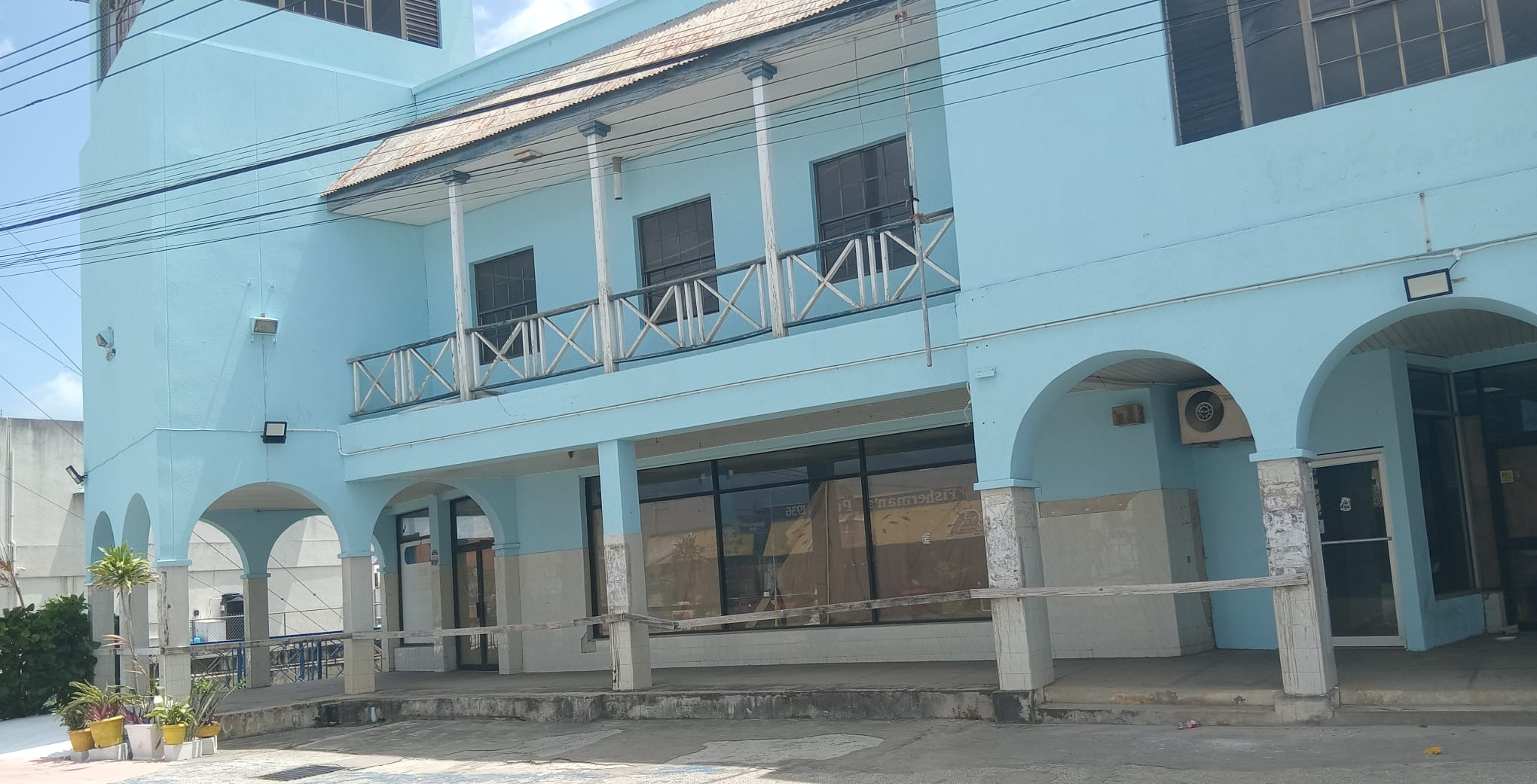
Nestled in northern Barbados, the historic coastal town of Speightstown holds untapped tourism potential and a deep cultural legacy. Yet for years, local business owners say, broken promises and chronic underinvestment have left the once-thriving commercial hub stagnant, with foot traffic plummeting and key assets left unused. Now, the community’s traders are reigniting their calls for targeted infrastructure upgrades, policy support for local entrepreneurs and expanded cultural programming to breathe new life into the St. Peter landmark.
In recent interviews with Barbados TODAY, multiple local business leaders outlined the core changes they say are long overdue, highlighting underdeveloped transport links, decaying heritage architecture and a lack of sustained cultural events as the biggest barriers to growth. For Jacqueline Wilson-Ali, owner of the local boutique Expressions by Jay, the stagnation of Speightstown’s economy has been a years-long source of frustration, after authorities repeatedly pledged to drive revitalization that never materialized.
“Speightstown has a rich heritage and history, but things need to happen for us that the powers that be promised us,” Wilson-Ali explained. “They promised us that smaller boats would come into Speightstown to help boost our businesses because we have some really lovely businesses here.”
Wilson-Ali pushed for a more strategic use of the town’s existing maritime and heritage assets, arguing that underutilized infrastructure like the local jetty could be leveraged to funnel cruise and small-boat tourists directly into the town’s commercial core. “The jetty is not only for fishing and just people taking a tour of it,” she noted. “Bring the tourists here, and I’m sure the tourists would definitely enjoy being in Speightstown. When they come off, there are usually port lecturers. You can tell them about the town before they get off the ship.”
Beyond infrastructure upgrades, local leaders are also calling for a return to large-scale cultural events that once drew crowds from across the island to Speightstown. Public spaces like the Speightstown Esplanade currently sit largely unused, community members say, and event programming that once positioned the town as a core stop for national celebrations like Crop Over has shifted entirely to the capital Bridgetown. Wilson-Ali is urging the National Cultural Foundation to expand its event footprint outside of Bridgetown, create themed Speightstown weekend events, and reinsert the northern town into Barbados’ national cultural calendar. “Everything seems to be happening outside of Speightstown,” she said. “Speightstown was a big part of Crop Over, but we don’t get that now. Take time out to come to us and do something for Speightstown. Create a theme for Speightstown weekends. We need to feel a part of the big equation.”
For Kaie Cozier, a London-born former radio presenter whose family has deep commercial roots in St. Peter, Speightstown’s decline is a deeply personal loss. She pointed to poorly adjusted traffic routing that has cut foot traffic, crumbling historic buildings and a lack of targeted support for local Barbadian entrepreneurs as the most pressing issues the town faces. “People talk about Speightstown being this historical town, but it has been left to rot, and it breaks my heart,” Cozier said. “I walk through Speightstown a good few times a week, and each time my heart breaks a little more because this is part of my heritage.”
While Cozier acknowledges that targeted tourism growth is needed to revitalize the town, she argues that economic policy must prioritize local ownership of businesses over foreign-backed resort development. She is calling for targeted financial incentives, low-interest grants, and mentorship programs to help local entrepreneurs build and expand their operations, noting that long-term local stakeholders have a far greater stake in preserving Speightstown’s unique character. “Speightstown is and should be for Bajans primarily,” she explained. “There should be incentives and grants and initiatives to allow people to develop businesses in Speightstown as opposed to having investors come in because they’re interested in the money. We’re interested in the heart and soul of Speightstown.”
Cozier also pushed for urgent action to address the dozens of derelict, crumbling buildings scattered across the town, including the former Noel Roach store. She suggested repurposing these decaying historic structures to serve public needs, such as community arts centers, senior citizen hubs, or local heritage museums. “Speightstown needs investment, it needs belief. We’ve got too many empty buildings sitting around that are basically crumbling to the ground,” Cozier added. “I would like to see the derelict buildings — please do something with them. Restore them, make them museums, make them art centers.”
Not all local business owners are relying solely on government intervention, however. Some traders have already adapted their business models to offset lower foot traffic, finding ways to serve both local residents and the small number of tourists that currently visit the town. Negus, a juice vendor who relocated his business from Bridgetown to Speightstown, said that adjusting his product offerings to cater to both locals and visitors has allowed his business to stay viable despite slower overall activity. “In Bridgetown, it’s a faster place in terms of sales,” Negus said. “When I came down here, we started to become more creative. I realised I have to supply stuff for both tourists and locals.”
Negus encouraged fellow local business owners to lean into creativity and self-reliance rather than waiting for outside support. “Stop going and begging for assistance and find your creative ability to sustain and help yourself,” he said. “You have to be smarter, stay on top of what you’re doing, and build something that lasts.”