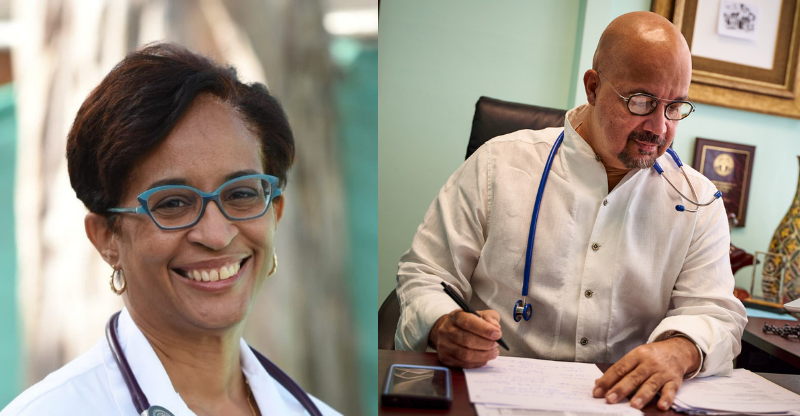
As Barbados prepares to welcome students back to school amid a sharp uptick in respiratory infections including COVID-19 and influenza, local medical leaders are sounding a clear call to action: keep sick children at home to slow transmission of the contagious viruses. The urgent advisory comes from the Barbados Association of Medical Practitioners (BAMP), whose president Dr. Lynda Williams is urging all residents to adopt targeted preventive measures amid the ongoing surge.
In an official public statement released over the weekend, Williams aligned BAMP’s guidance with a recent alert from Barbados’ Ministry of Health and Wellness, which confirmed a significant jump in reported cases of both COVID-19 and seasonal influenza across the island. To help residents quickly identify COVID-19 infections, Williams advised anyone experiencing flu-like symptoms to use rapid antigen tests, which are widely stocked at most private pharmacies across the country.
She also offered key guidance to avoid inaccurate results, noting that testing too soon after exposure or failing to collect a proper nasal swab can lead to false-negative readings. If an initial test returns negative but COVID-19 exposure is still likely, Williams recommended repeating the test 24 to 48 hours after the first attempt. For those seeking PCR testing, the gold standard for COVID-19 detection, services are available at the Eunice Gibson and Branford Taitt polyclinics Monday through Friday between 9 a.m. and 2 p.m.
Beyond testing, Williams outlined core public health precautions for all Barbadians. She advised anyone showing symptoms of respiratory illness to isolate at home, avoid unnecessary trips to workplaces, and wear well-fitting masks when visiting public indoor spaces. She also reinforced the importance of basic everyday protective habits: frequent handwashing or use of alcohol-based sanitizer, regular disinfection of high-touch surfaces, and maintaining adequate ventilation in enclosed spaces. She clarified that running air conditioning alone does not replace the need for fresh air circulation, as closed systems can trap viral particles indoors.
In a notable update, Williams confirmed that updated COVID-19 vaccines are currently out of stock across Barbados. She did recommend that high-priority groups including healthcare workers, frontline tourism employees, older adults, and people living with chronic underlying conditions get the seasonal influenza vaccine to reduce their risk of severe illness, noting that new 2026-2027 formulations of the flu shot are expected to arrive in the country soon.
Paediatrician and neonatologist Dr. Clyde Cave, speaking to local outlet Barbados TODAY, echoed BAMP’s core guidance, emphasizing that parents hold a critical role in preventing large outbreaks once school resumes. Cave explained that seasonal spikes in respiratory illness are predictable, noting that the annual Crop Over festival typically drives an increase in cases each year, a pattern that became well-documented during the COVID-19 pandemic. A second wave of transmission almost always follows when children return to crowded classroom spaces, he added.
Cave stressed that among all recommended precautions, keeping symptomatic children home from school and daycare is the most impactful step to cut chains of transmission. “The big thing really for school is not sending children who are sick to daycare or school,” he said.
He acknowledged that the advice creates practical challenges for working parents, who often struggle to arrange emergency childcare at the last minute. Even so, Cave emphasized that isolating unwell or potentially exposed children early is critical to stopping transmission before it spreads to classmates, teachers and other family members. By the time a child has been experiencing runny nose, sneezing or fever for a few days, he explained, they have likely already spread the virus to multiple other people. He urged parents to monitor children closely for any new symptoms after they have been in close contact with someone who is ill.