A cloud of uncertainty has hung over Trinidad and Tobago’s national security establishment this week after Police Commissioner Allister Guevarro took unannounced emergency leave to travel outside the country, with senior government officials refusing to disclose the specific circumstances behind his sudden departure.
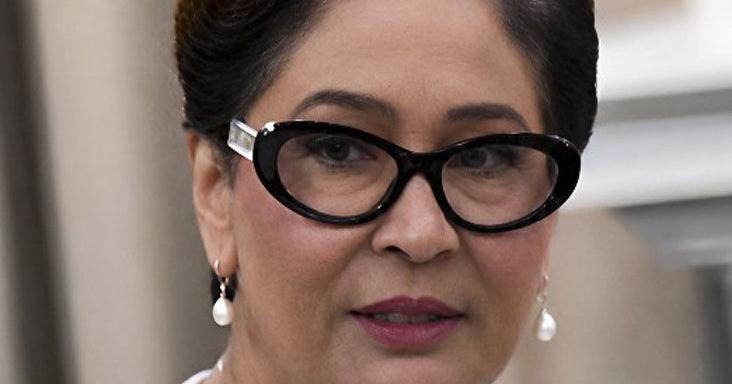
Prime Minister Kamla Persad-Bissessar, who also serves as chair of the country’s National Security Council (NSC), reaffirmed on yesterday that classified national security interests would prevent any public release of details surrounding Guevarro’s trip. The Prime Minister confirmed that the top law enforcement official completed all required administrative protocols before leaving the jurisdiction, adding that she received full briefings both ahead of his departure and following his return to the country.
Guevarro himself broke his silence on the matter earlier this week with a publicly released audio statement, offering a high-level explanation for his absence without revealing sensitive details. He stated that the trip was prompted by undisclosed information received on August 10 from the director of the Strategic Services Agency (SSA) and the head of the Special Branch. Following this intelligence, Guevarro submitted an application for five days of emergency leave to Homeland Security Minister Roger Alexander, who approved the request. The commissioner added that official documentation of his leave was properly forwarded to the Police Service Commission (PolSC) as required by regulation.
The opposition has raised sharp questions about Guevarro’s sudden absence, specifically criticizing the failure to appoint an acting commissioner of police to fill the role during his time out of the country. Guevarro pushed back against these claims in his audio message, rejecting assertions that his unplanned leave created a leadership crisis within the Trinidad and Tobago Police Service (TTPS). He clarified that the appointment of an acting commissioner falls outside the mandate of the TTPS or the sitting commissioner, noting that the process is legally defined and managed by relevant statutory bodies.
After returning to Trinidad and Tobago, Guevarro completed required debriefings with both the NSC chair and the Homeland Security Minister, and has since declined to answer any additional questions about the trip, directing all further enquiries to the two senior officials. Both Persad-Bissessar and Alexander have refused to comment on the triggering circumstances of the leave, while PolSC chairman Dr Wendell Wallace has not responded to repeated attempts by reporters to reach him for comment since Sunday.
To clarify the legal framework governing acting appointments for the police commissioner post, the process is laid out explicitly in Section 123 of Trinidad and Tobago’s Constitution. Unlike routine administrative roles, the TTPS cannot automatically appoint an interim commissioner when the substantive holder leaves the country. Instead, the PolSC holds the constitutional authority to nominate a candidate for acting commissioner or deputy commissioner. Under subsection 3 of Section 123, the PolSC must forward the nominated name to the President of Trinidad and Tobago, after which the President issues an official notification of the nomination. This notification must then receive approval via an affirmative resolution from the House of Representatives before the acting appointment can go into effect.
This formal process was followed most recently in October 2025, when Guevarro traveled to Denver, Colorado, to attend the International Association of Chiefs of Police Annual Conference and Exposition. For that scheduled five-day trip, the PolSC nominated Deputy Commissioner Junior Benjamin to serve as acting commissioner, with Assistant Commissioner Curt Simon nominated to act as deputy commissioner in Benjamin’s place. The President’s notification of the nominations was tabled in the House of Representatives on October 10, and parliament ultimately approved both acting appointments, with government MPs explicitly noting the appointments were necessary to cover Guevarro’s authorized travel.
Currently, the House of Representatives is in scheduled recess and is not set to reconvene until September, creating a procedural gap that would prevent the approval of any acting appointment even if the PolSC moved forward with a nomination. This context has deepened opposition questions over why the emergency leave proceeded without prior arrangements for interim leadership, even as government and law enforcement officials continue to cite national security confidentiality to avoid releasing details of the trip.