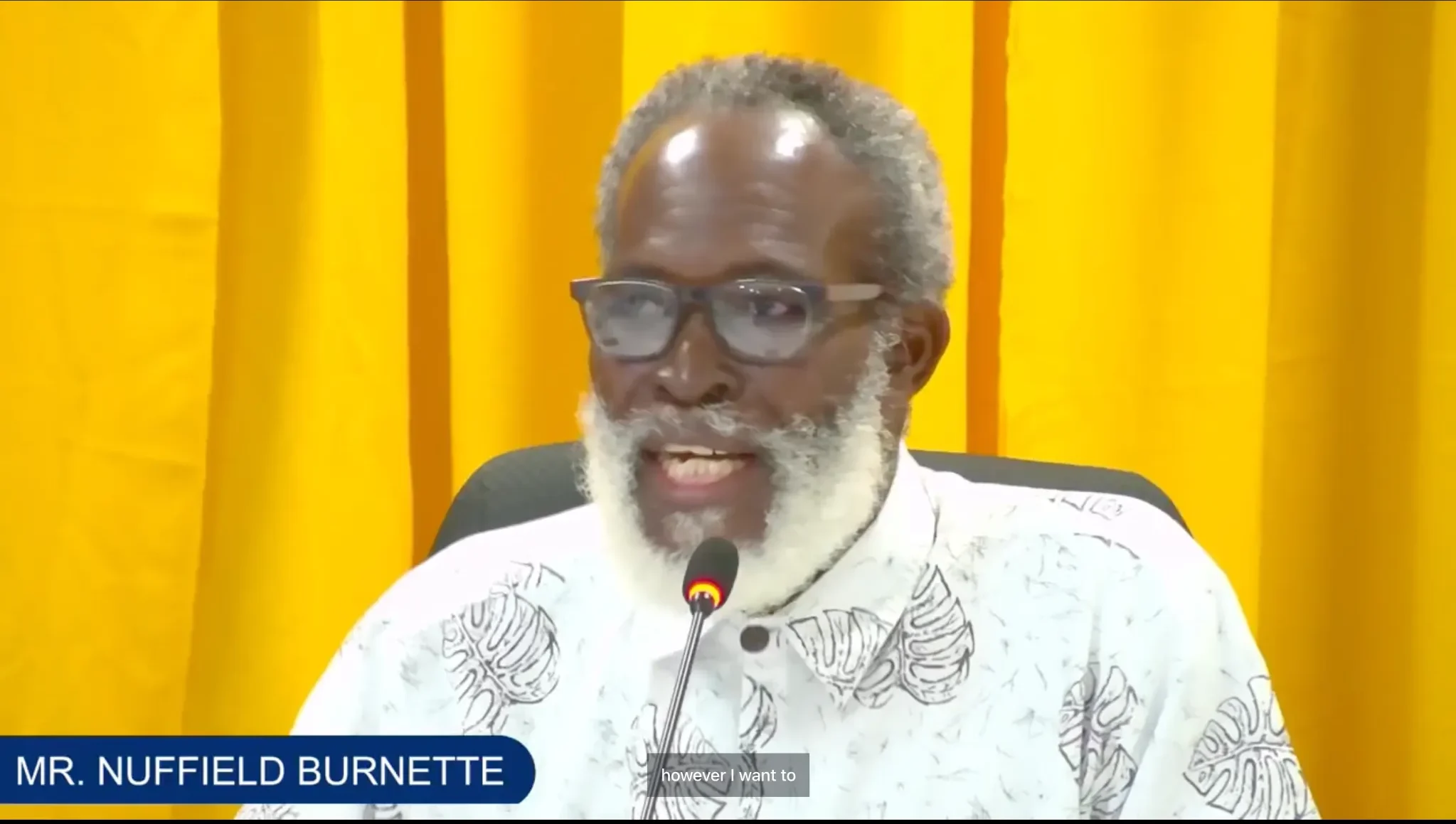
A retired senior law enforcement leader in Antigua and Barbuda is sounding the alarm over a growing crisis that is crippling the country’s fight against violent crime: the collapse of public trust between communities and police officers. Nuffield Burnette, former Assistant Commissioner of Police, has pulled back the curtain on systemic weaknesses in current policing strategies, arguing that agencies have drifted away from proactive prevention into a purely reactive approach—all while losing access to one of their most effective traditional crime-fighting assets: community informants.
Burnette, who shared his insights during a reflection on decades of policing experience, explained that cultivating confidential informants has long been a core pillar of effective law enforcement, allowing agencies to gather actionable intelligence on planned and committed criminal activity. Today, however, that foundational tool is increasingly out of reach. “What seemed to be the enemy of the police, now what we call cultivating informants, police seem not to have the ability to do that anymore because there is no trust,” Burnette noted. “That is one of the main pillars in policing and police crime-fighting. In my day, that was a big deal.”
For the retired officer, rebuilding that fractured public confidence is not a secondary public relations goal—it is a non-negotiable prerequisite for turning the tide on rising crime. Without trust, communities have little incentive to share critical information that can help officers stop crimes before they happen, hold offenders accountable, and dismantle active criminal networks. Burnette emphasized that even the most advanced modern surveillance infrastructure, from street cameras to digital monitoring tools, can never replace the close collaborative relationship between police and the communities they serve.
Beyond the crisis of public trust, Burnette also raised urgent, unflinching concerns about the rampant flow of illegal firearms into Antigua and Barbuda, calling for far stricter oversight of the country’s main ports of entry. “Where they’re getting the guns from, we know. The guns come through the seaport and the airport,” he stated. In a striking revelation, Burnette also alleged that individuals widely viewed as respectable, upstanding members of Antiguan and Barbudan society are directly involved in the illicit importation of these weapons. The scale of this illegal network, he argued, demands heightened vigilance and expanded targeted surveillance at all points of entry and across communities.
Burnette’s comments have reignited public debate over the future of policing in Antigua and Barbuda, as local law enforcement continues to grapple with growing rates of gun-related crime and organized criminal activity. His core argument puts renewed focus on a simple, high-stakes truth: sustainable progress in curbing crime cannot be achieved through technology or increased enforcement alone. It depends first on mending the broken bond between police and the public.