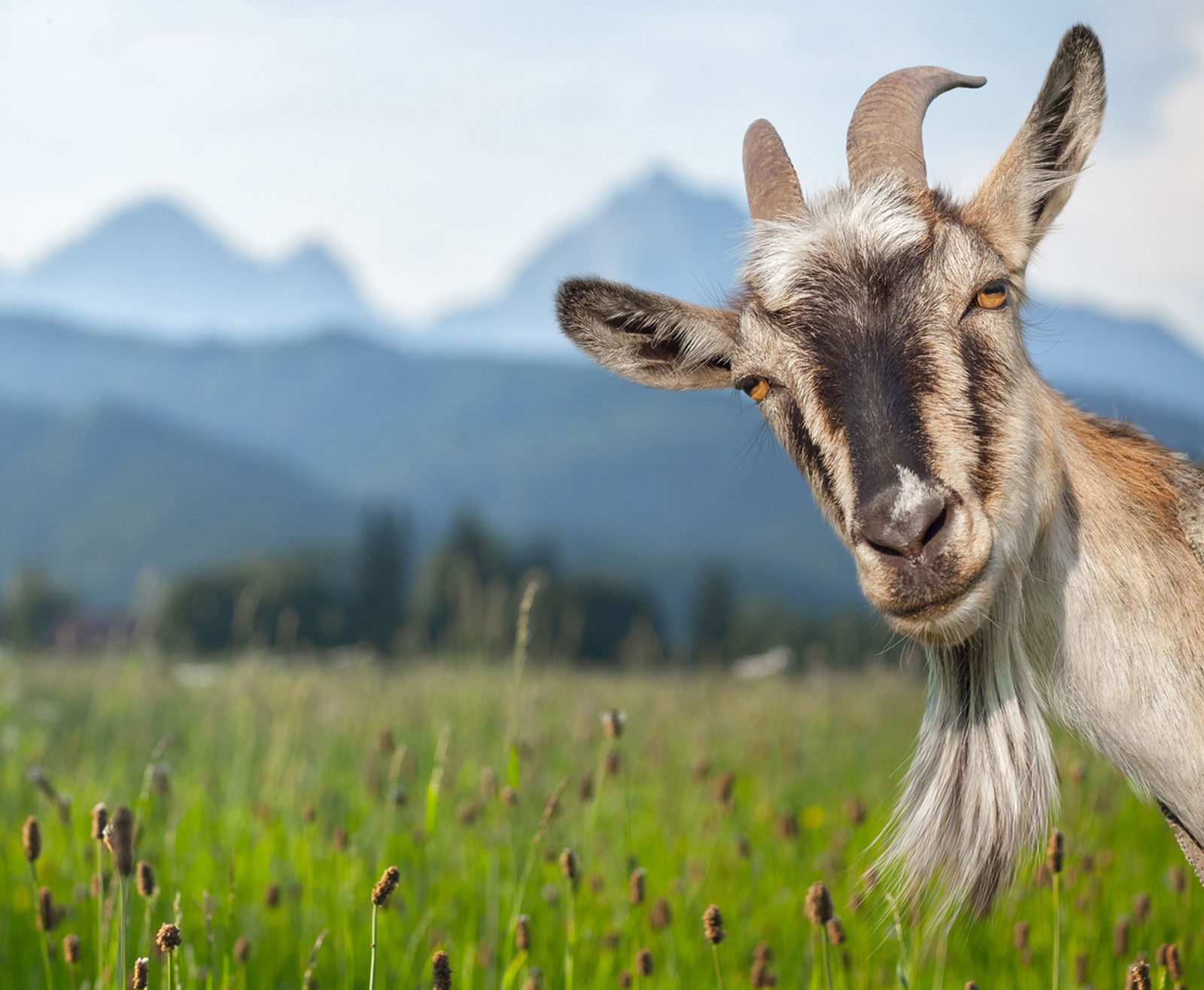
Rising incidents of goat theft have pushed a local senator to launch a public appeal targeting food sellers and consumers, urging them to cut off the illegal market that sustains rampant livestock theft across the region.
Senator Lamin Newton made this targeted call to action during a recent taping of the popular public affairs radio show *Beneath the Surface*, where he shared insights from a recent conversation with a local livestock farmer that underscored the severity of the ongoing crisis. According to Newton, the farmer described goat theft as an increasingly unmanageable problem that has devastated the livelihoods of small-scale agricultural producers.
In his appeal, Newton laid out clear guidance for restaurants, mobile weekend food vendors, and retail shop owners: any time an unfamiliar seller offering goat meat cannot prove they own a farm or raise livestock themselves, buyers should refuse the transaction. “Do not encourage the thieves by buying any sort of goat meat from people who you know have no farm and don’t raise goats,” he emphasized during the interview.
Newton explained that continued demand for this cheap, potentially stolen goat meat creates a profitable cycle that keeps thieves returning to target vulnerable farming operations. Thieves rely on a steady, willing market to offload their stolen animals, so every purchase of unconfirmed goat meat sends a signal that this criminal activity will be rewarded. “When you do that, you are encouraging them because they can come back again and keep coming back,” he added.
The senator also pushed for greater public empathy for the hardships farmers face after falling victim to livestock theft. Raising goats requires months of consistent labor, significant upfront investment in feed, shelter, and care, and a long-term commitment to growing a sustainable product. When thieves steal an entire herd or flock of goats, they do not just steal property — they wipe out months of work and leave families that depend on agricultural income facing severe financial strain. Newton urged businesses and consumers to practice perspective-taking before purchasing cheap goat meat from unknown sellers: “Put yourself in the place of the farmers who work hard and raise their animals just to have somebody come in, steal it and come and sell it to you at a reduced price.”
According to Newton, widespread refusal to buy suspected stolen goat meat is one of the most accessible and effective forms of collective action to combat livestock theft. Rather than leaving enforcement entirely to law enforcement, everyday people and local business owners can directly undermine the financial incentive for this crime by closing off the illegal market. “Protest against it by not buying it,” he stated. He went on to argue that by publicly making it clear they will not purchase meat or animals obtained through theft, buyers can eliminate the profit motive that drives repeated theft incidents, ultimately reducing the frequency of this harmful crime against small-scale farmers.