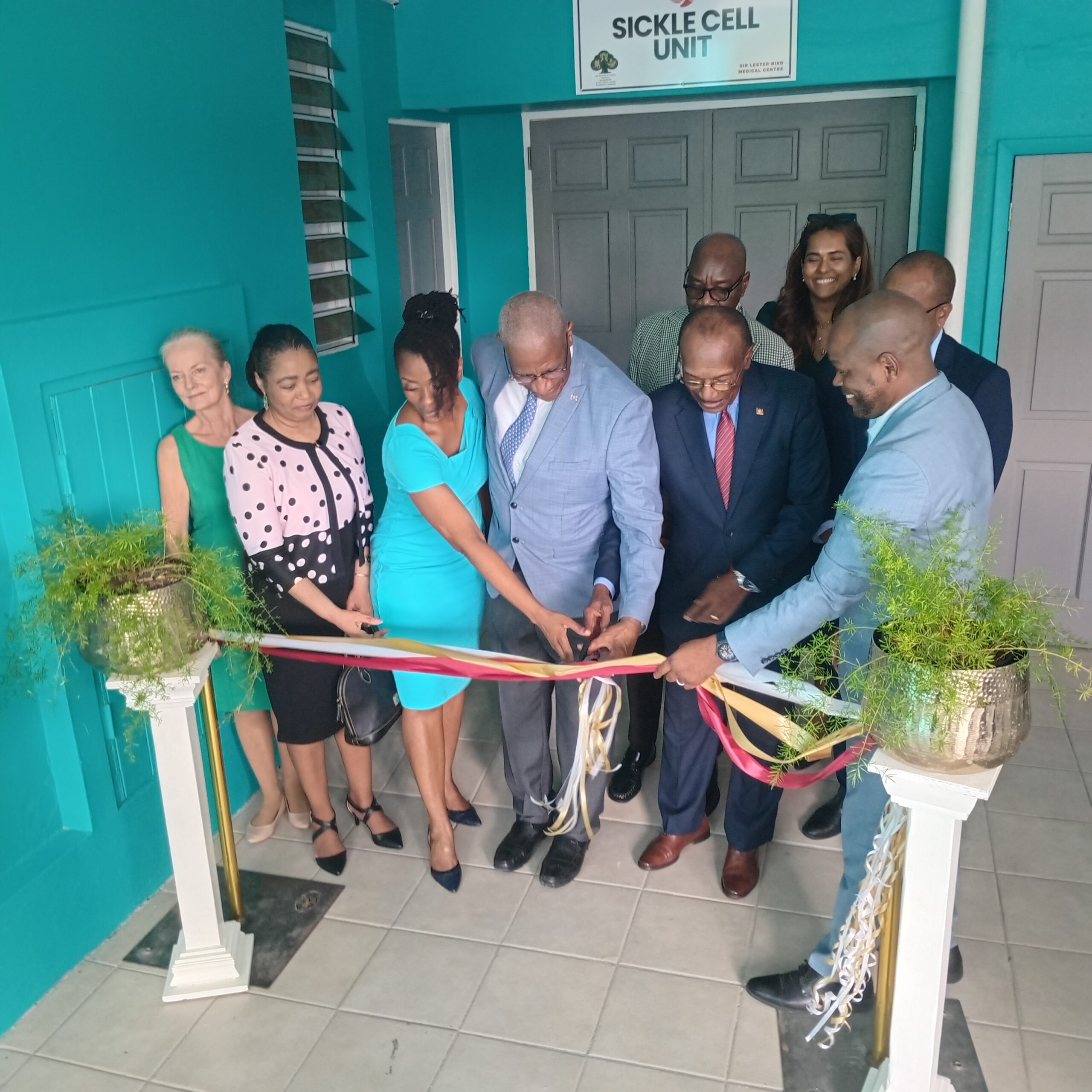
Antigua and Barbuda has marked a major milestone in expanding specialized care for individuals affected by sickle cell disease, with the official opening of a dedicated Sickle Cell Unit on the campus of the Old Holberton Hospital. Starting Wednesday, August 19, the new facility will open its doors to patients, bringing much-needed targeted care closer to local communities that have long faced gaps in access to sickle cell management.
Helmed by hematology specialist Dr. Veena Vignarajah, the newly launched unit is designed to address the full spectrum of needs for people living with the genetic blood disorder. Beyond providing urgent, rapid intervention for acute pain crises — one of the most common and debilitating complications of sickle cell disease — the facility will also deliver comprehensive ongoing care. This includes regular wellness monitoring to track long-term health outcomes, customized patient education to help individuals manage their condition at home, and dedicated psychosocial support to address the mental and emotional toll that chronic illness can place on patients and their loved ones.
A key part of the unit’s public health mandate is integrating its services with Antigua and Barbuda’s national newborn screening program, a strategic move designed to prioritize early intervention. By collaborating closely with the screening initiative, the unit will enable earlier detection of sickle cell disease in infants, ensuring that affected children and their families can access critical care, resources, and support from the earliest stages of life. This early intervention approach is widely recognized by global health experts to improve long-term health outcomes and reduce the risk of life-threatening complications for people born with the condition.
Health officials across the country have welcomed the launch as a critical step forward in strengthening the nation’s public health infrastructure, filling a long-standing gap in specialized care for the sickle cell community. For patients and families across Antigua and Barbuda, the new facility means they no longer need to travel abroad for routine or urgent sickle cell care, reducing financial and logistical burdens while improving access to life-sustaining treatment.