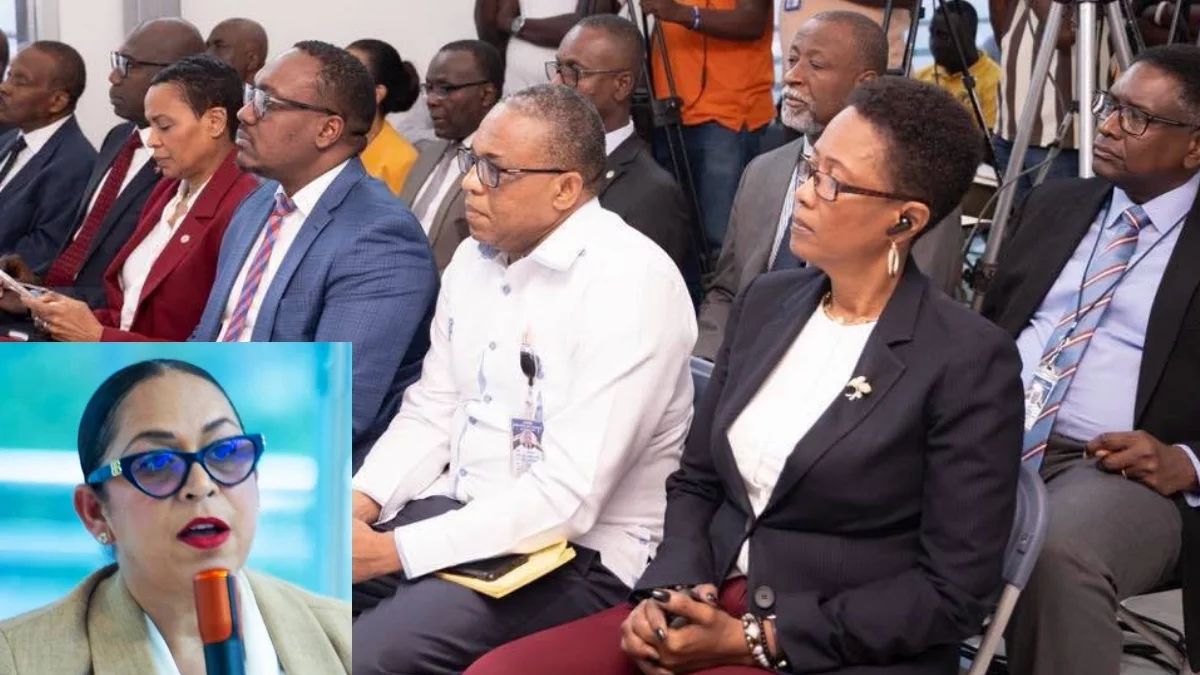
Five months into her term leading Haiti’s Ministry of Foreign Affairs, Minister Raina Forbin has outlined sweeping, tangible progress across institutional reform, digital modernization, and core diplomatic priorities during a public press briefing held on August 16, 2026.
The centerpiece of Forbin’s update is a broad push to modernize, professionalize, and streamline the ministry’s operations, both at its headquarters and across its global network of diplomatic outposts. A targeted restructuring of the 57 overseas diplomatic missions and consular posts, including a reduction in excess payroll costs, has generated approximately $1 million in monthly savings — equal to more than 100 million Haitian gourdes. To strengthen the capacity of the overseas network, the ministry has also established a dedicated pool of trained diplomatic and consular administrators to support consistent service delivery across all posts.
This reform agenda has already received formal backing from Haiti’s Council of Ministers, which approved two new decrees to align institutional rules with the modernization goals. The first decree restructures the internal organization of the Ministry of Foreign Affairs and elevates the Jean Price-Mars Diplomatic Academy, the country’s primary training body for diplomatic staff, to the status of Directorate General, granting it greater autonomy and resources to train the next generation of Haitian diplomats. The second decree updates the regulatory framework governing diplomatic and official passports, bringing Haiti’s document standards in line with international norms.
A key highlight of the reform push is the rollout of four new digital platforms designed to boost transparency, improve operational efficiency, and expand access to consular services for Haitian citizens at home and abroad. The first platform is tailored to Haitian students and scholarship recipients studying overseas, with a focus on showcasing their professional skills to support future career and development opportunities. The second provides centralized, targeted support for Haitian nationals residing in the United States, who make up one of the largest Haitian diaspora communities globally. The third creates a standardized registration system for religious institutions and their leaders operating in Haiti, streamlining administrative processes. Finally, the new CONSUL PLUS system modernizes the internal management of all diplomatic missions and consular posts, while also improving the user experience for citizens accessing consular services. Complementing these new tools, the ministry has also standardized the design and functionality of all public websites for overseas missions to ensure consistent access to information.
Turning to broader diplomatic priorities, Forbin reaffirmed her commitment to expanding and diversifying Haiti’s bilateral and multilateral international partnerships. Key ongoing priorities include revitalizing long-standing bilateral relations with the neighboring Dominican Republic, deepening constructive dialogue with domestic religious leaders, and growing Haiti’s diplomatic footprint through the appointment of new non-resident ambassadors and honorary consuls. She also emphasized that the entire Haitian diplomatic network will be mobilized to secure tangible economic, commercial, and academic opportunities that benefit all Haitians, with a specific focus on creating new openings for young people and women, two groups disproportionately impacted by the country’s ongoing economic challenges.
Infrastructure upgrades for overseas missions are also on the agenda, with the minister noting that plans are moving forward to rehabilitate and improve facilities at key posts including the Consulate General of Haiti in Miami. These upgrades will both improve working conditions for diplomatic staff and expand the quality of services available to the large Haitian community in South Florida.
On the sensitive issue of global migration, Forbin underscored that the Haitian government remains deeply concerned about the welfare of Haitian nationals facing uncertain or dangerous situations abroad. She confirmed that the government is continuing active diplomatic dialogue and advocacy through official channels with host country authorities to protect the rights of Haitian citizens, and that all embassies and consular posts remain fully mobilized to provide information, guidance, and assistance to any affected citizens.
Looking ahead, Forbin framed the current reform momentum as a foundational step toward building a more effective, accountable, and impactful foreign affairs institution that can serve Haiti’s national interests and support the country’s ongoing efforts toward electoral stability and long-term economic recovery.