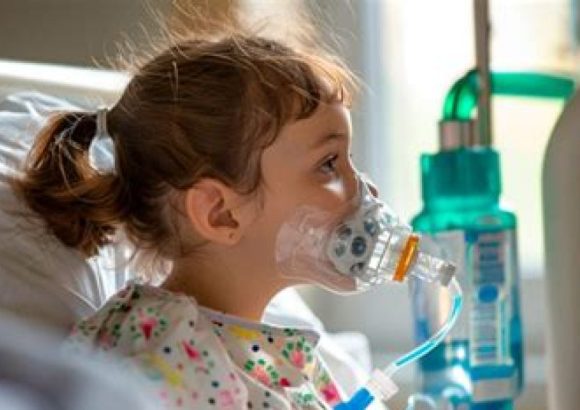
National public health and medical authorities remain on high alert over the ongoing patterns of infectious diseases spreading across the country’s child population. Recent analysis of current clinical data confirms that respiratory tract illnesses and gastrointestinal conditions continue to be the most common reasons families seek care at emergency departments and pediatric outpatient clinics nationwide.
In an exclusive interview with local newspaper *Hoy*, leading pediatrician Johanna Garcia broke down current recurring childhood pathologies, shared epidemiological projections for the coming year, and identified the single leading cause of early childhood mortality in the country. Comparing this year’s disease incidence rates to data from 2025, Garcia noted that the overall distribution of pediatric illnesses has stayed largely consistent year-over-year. “We are still seeing the same core set of respiratory infections: bronchiolitis, a notable number of pneumonia cases, common colds, paired with gastrointestinal illnesses that account for the bulk of pediatric medical visits,” Garcia explained.
What has public health professionals most concerned is the increasing severity of complications that some of these common pathogens cause in young children. When asked about the leading cause of preventable infant and early childhood death, Garcia was clear: among children under five years old, complicated pneumonia is responsible for the highest share of pediatric lethality in the country today.
Turning to projections for 2027, Garcia emphasized that while exact disease dynamics cannot be predicted with full certainty, current trends point to the continued circulation of the most common endemic pathogens. These include influenza, human pneumovirus, adenovirus, parainfluenza, and SARS-CoV-2, the virus that causes COVID-19. Garcia added that COVID-19 is no longer considered a novel public health emergency, and has transitioned into a permanent endemic pathogen within the country — similar to dengue fever, which has long been established as an endemic disease that experiences periodic surges.
As the country enters its annual rainy season and prepares for the start of a new school year, Garcia has issued urgent guidance for families and school administrators to boost preventive public health measures. First, she called for expanded efforts to eliminate Aedes aegypti mosquito breeding sites amid increased rainfall, to slow the spread of endemic dengue. Second, she urged schools to implement active epidemiological surveillance when classes resume, noting that close, sustained contact between children in classroom settings almost always drives a sharp increase in respiratory virus transmission. Finally, Garcia reminded caregivers to seek immediate medical care if a child develops respiratory distress or sustained high fever, to stop mild infections from progressing to life-threatening complicated pneumonia.