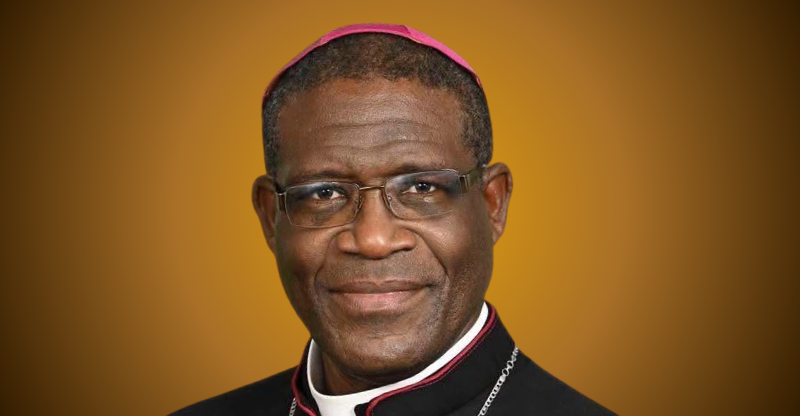
Following the conclusion of another annual Carnival celebration in Saint Lucia, the country’s most senior Catholic religious leader, Archbishop Gabriel Malzaire, has launched a thoughtful public conversation about how the iconic Caribbean festival has shifted over time, urging local residents to examine its evolving role in national life.
In an official statement shared via the Archdiocese of Castries’ official Facebook page, Malzaire opened by affirming Carnival’s deep cultural and social importance to both Saint Lucia and the wider Caribbean region. The festival, long rooted in pre-Lenten Christian tradition, has transformed dramatically from its original purpose, according to the archbishop. What began as a single seasonal observance before the period of solemn fasting and reflection has become increasingly intertwined with the island nation’s tourism and entertainment sectors, with Carnival-adjacent events now held in communities across the country throughout the year.
This constant expansion of celebratory events has led Malzaire to question whether the trend has fostered a pervasive, never-ending culture of non-stop partying across Saint Lucian society. Crucially, however, he emphasized that his intervention is not a call to abolish Carnival entirely. On the contrary, the archbishop offered robust praise for the festival’s most vibrant, creative elements, from its distinctive music and elaborate handcrafted costumes to its visual artistry, skilled craftsmanship and grand pageantry. These cultural assets, he argued, deserve to be preserved and celebrated: they foster collective national pride and serve as a unifying force that brings diverse communities together.
Malzaire’s concerns center on specific troubling trends that have emerged in modern street revelry. He pointed to the growing trend of increasingly revealing costumes, particularly among women participants, but stressed that the conversation must extend far beyond just the clothing itself. The real issue, he explained, lies in how people are treated based on their costume choices, as well as the broader messages about dignity that younger generations absorb from these cultural norms.
The archbishop called out widespread disrespectful commentary from on-site spectators and social media users, arguing that the core of the debate revolves around human dignity, mutual respect, and the values passed to children. “Our concern must go deeper than clothing,” he stated, stressing that it is critical for all people to recognize their own inherent dignity and demand that same level of respect from others.
Beyond the bounds of Carnival, Malzaire connected the shift toward an unregulated party culture to broader social changes he has observed across Saint Lucia. He cited small but telling examples: a rise in reckless driving, the growing refusal of drivers to dim their headlights for oncoming traffic, and a general decline in public consideration for others. These trends, he argued, point to a wider erosion of core societal values including courtesy, integrity and personal responsibility.
Malzaire clarified that his statement was not intended as a blanket condemnation of Carnival participants or organizers. Rather, he said, he chose to speak out because of his deep commitment to Saint Lucia’s future and his concern for the values that are being taught to the next generation of the island’s residents.
Closing his message, the archbishop encouraged all Saint Lucians to continue embracing the elements of Carnival that bring joy, showcase creative talent, and unify communities, while also engaging in honest, open dialogue to address the aspects of the modern celebration that risk eroding human dignity.