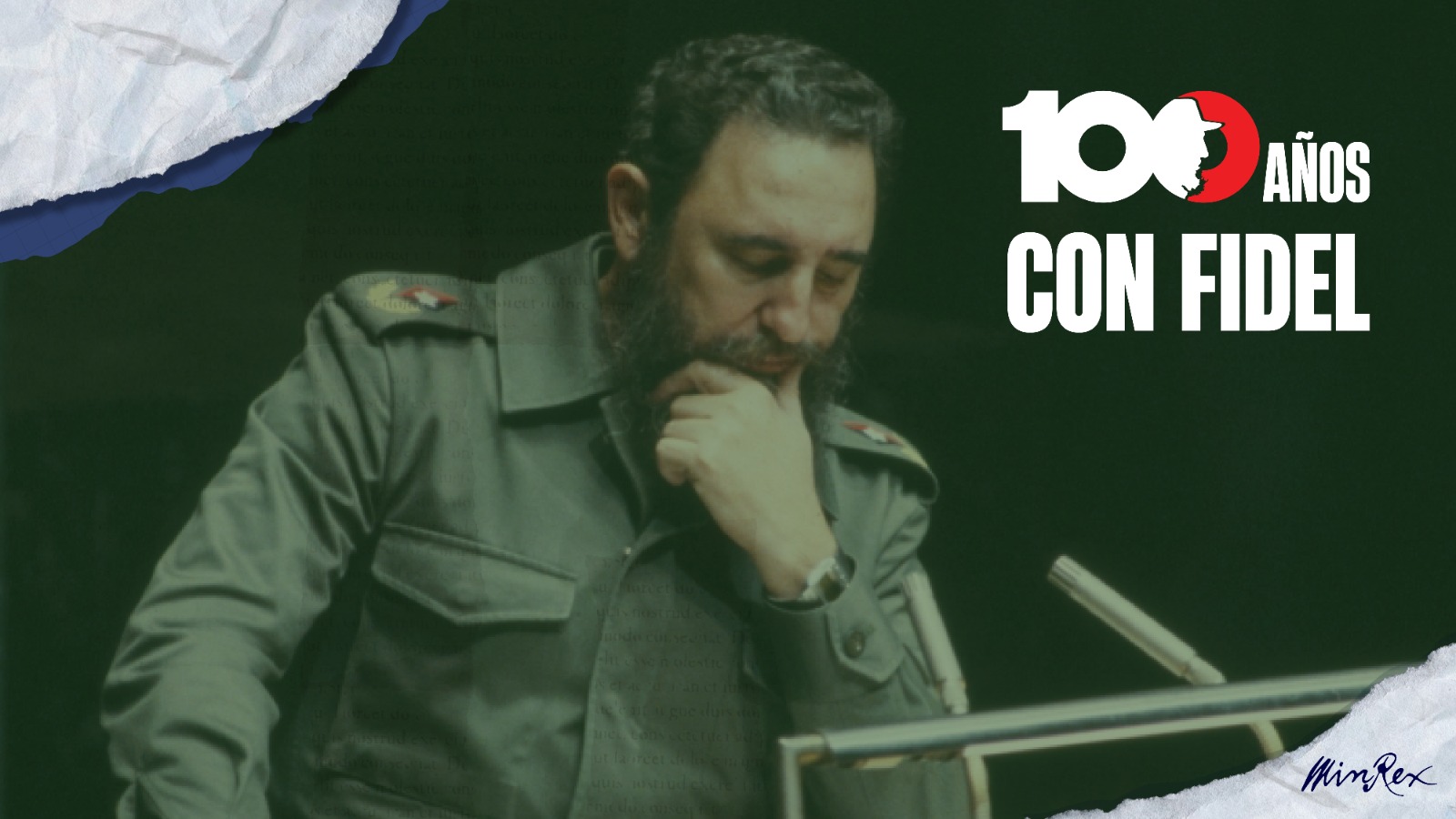
A century after his birth, Fidel Castro Ruz remains one of the most transformative and widely recognized figures in modern global history, his decades-long leadership shaping not only the trajectory of Cuba but also leaving an indelible mark on small Caribbean nations like Grenada.
Born into a context of stark systemic inequality in Cuba’s Birán in August 1926, Castro’s early awareness of the injustices of the island’s neocolonial political order pushed him toward revolutionary action. The 1953 assault on the Moncada Barracks marked the opening salvo of his movement, a years-long struggle that culminated in the 1959 triumph of the Cuban Revolution. From the very start of his leadership, Castro centered two non-negotiable principles: unwavering defense of national sovereignty and relentless pursuit of domestic social justice.
Key milestones of his early tenure cemented this legacy. Within months of taking power, he launched Operation Truth to shape a public narrative of the revolution that reflected the aspirations of working Cubans, followed by the landmark Agrarian Reform Law that broke up large, concentrated landholdings and redistributed property to thousands of landless peasants. In 1961, Castro personally led Cuban forces to defeat a U.S.-sponsored invasion at Playa Giron (Bay of Pigs), a victory that consolidated the revolution’s domestic legitimacy and became a global symbol of resistance to great power interference.
Castro always framed Cuba’s revolution as a global project of solidarity for marginalized nations. As early as 1962, Cuba deployed medical personnel to Algeria, launching what would become a decades-long program of international cooperation that would spread across the Global South. For Caribbean nations including Grenada, this commitment translated to tangible, life-changing support: Cuban doctors, educators, and full university scholarships for hundreds of young Grenadian students.
The most iconic example of this bilateral collaboration remains Grenada’s Maurice Bishop International Airport, a major infrastructure project built with extensive Cuban support that still stands as a core symbol of friendship between the two nations. When the Grenadian Revolution launched in the late 1970s, it received open backing from the Cuban people under Castro’s direction, a show of solidarity that reflected his longstanding commitment to backing other Third World movements fighting foreign intervention and oppression.
A 1998 state visit by Castro to Grenada marked a pivotal turning point for bilateral ties, far beyond a routine diplomatic engagement. The trip reaffirmed the deep historical connection between the two countries forged during the era of Maurice Bishop, and laid the groundwork for expanded modern cooperation. It also solidified a shared vision: that small Caribbean nations could stand together to defend their collective sovereignty in an unequal global order.
One hundred years after his birth, Castro’s legacy endures for both Cuba and Grenada, and for hundreds of thousands of people across the Global South who see in his life a model of resistance and solidarity. Whether admired or criticized, his figure remains an enduring symbol of national dignity and collective action against oppression for Caribbean peoples and progressive movements around the world.
This op-ed contribution is from Ariel Pazos Ortiz, Consul of the Embassy of Cuba in Grenada. NOW Grenada does not take responsibility for the opinions and content shared by contributing authors.