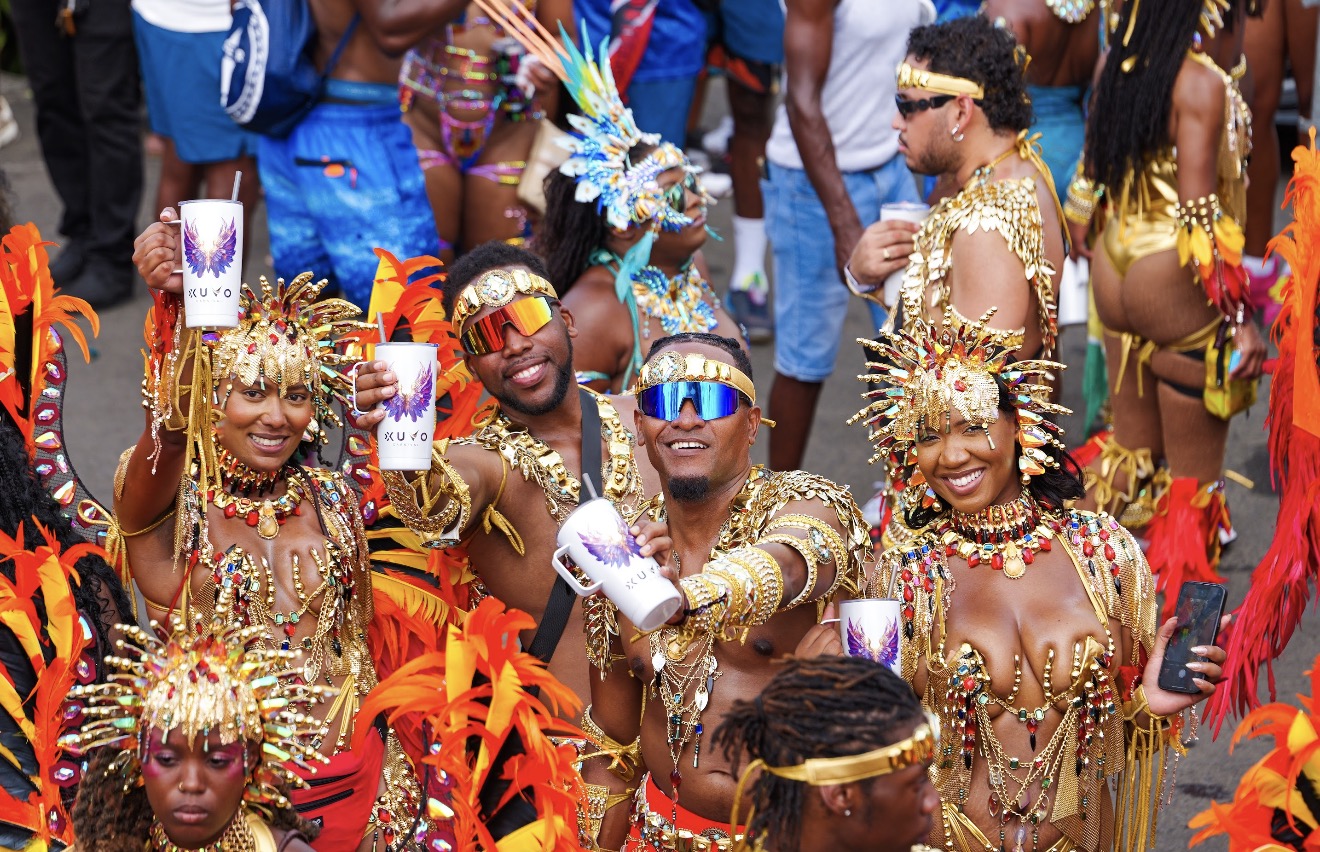
A renewed public debate over elevating Carnival’s status in Saint Lucia has reignited calls to designate Carnival Monday and Tuesday as official public holidays, but the island nation’s leading business advocacy group is pushing for a measured approach, warning that additional statutory time off would create unmanageable operational strains and disrupt the delicate balance of the country’s economy. Brain Louisy, Executive Director of the St. Lucia Chamber of Commerce, Industry and Agriculture, emphasized that the current regulatory framework for public holidays already strikes a functional balance that most local businesses have adjusted to over time, making a major shift unnecessary.
The push for new public holidays stems from growing advocacy to recognize Carnival as a cornerstone of Saint Lucia’s national cultural identity. While Louisy confirms that the vast majority of local business owners actively support and participate in the annual cultural celebration, he argues that practical economic constraints cannot be sidelined in the debate. Adding two new public holidays, he explains, would place disproportionate pressure on sectors that cannot suspend operations even during major national events.
The tourism industry, one of Saint Lucia’s core economic drivers, serves as a key example: hotels, resorts, restaurants, and excursion providers must remain open to serve both international and domestic visitors, even on public holidays. Requiring these businesses to operate while paying mandatory holiday overtime rates would impose unplanned, significant extra costs that many small and medium-sized enterprises cannot absorb. Beyond tourism, Louisy notes that the broader population relies on continuous access to essential goods and services throughout the festive period, meaning the national economy cannot grind to a halt for two additional days of public holiday.
Louisy added that many local businesses already face operational disruptions from Carnival events even without official public holiday status, particularly when street parade route changes block access to storefronts and leave some enterprises unable to conduct transactions for full days. In these cases, businesses already must make costly adjustments to offset lost revenue. For Louisy, adapting existing operations rather than adding new public holidays is a far more sustainable solution that avoids imposing unnecessary financial burdens on the private sector.
“The current status works,” Louisy stated, though he acknowledged that targeted improvements to holiday management can be made at both the national government and individual business levels. Turning to the broader landscape of public holidays in Saint Lucia, Louisy pointed out that the country already recognizes a robust number of statutory holidays spanning religious, cultural, and national observances, which local society has adapted to accommodate.
Rather than framing the debate as a question of cutting or adding public holidays, Louisy argued that policymakers and stakeholders should redirect their focus toward improving how existing holidays are managed and coordinated. “We certainly do not believe that there is a really strong case for increasing the number of holidays as it stands,” he said. “We do not have a perspective that reducing or increasing holidays is the answer. We need to adjust to make it more effective for the society as a whole.”
For the specific challenges posed by Carnival, Louisy said businesses and individual stakeholders bear shared responsibility for adapting to event-related disruptions. Practical adjustments, such as modifying opening hours, adjusting supply chain logistics, or reconfiguring customer access to storefronts, can mitigate disruptions without requiring the systemic change of adding new public holidays. While flexible adaptations will look different for every sector and individual business, Louisy emphasized that flexibility, rather than new regulation, is the key to balancing cultural celebration and economic continuity.