For nearly two decades, cancer has cast an unrelenting shadow over public health in Saint Lucia, holding the grim title of the nation’s leading cause of death for 16 consecutive years. Currently, the disease accounts for approximately one out of every five deaths recorded across the island, a statistic that has pushed local health authorities to pursue targeted, data-driven action to reverse the trend.
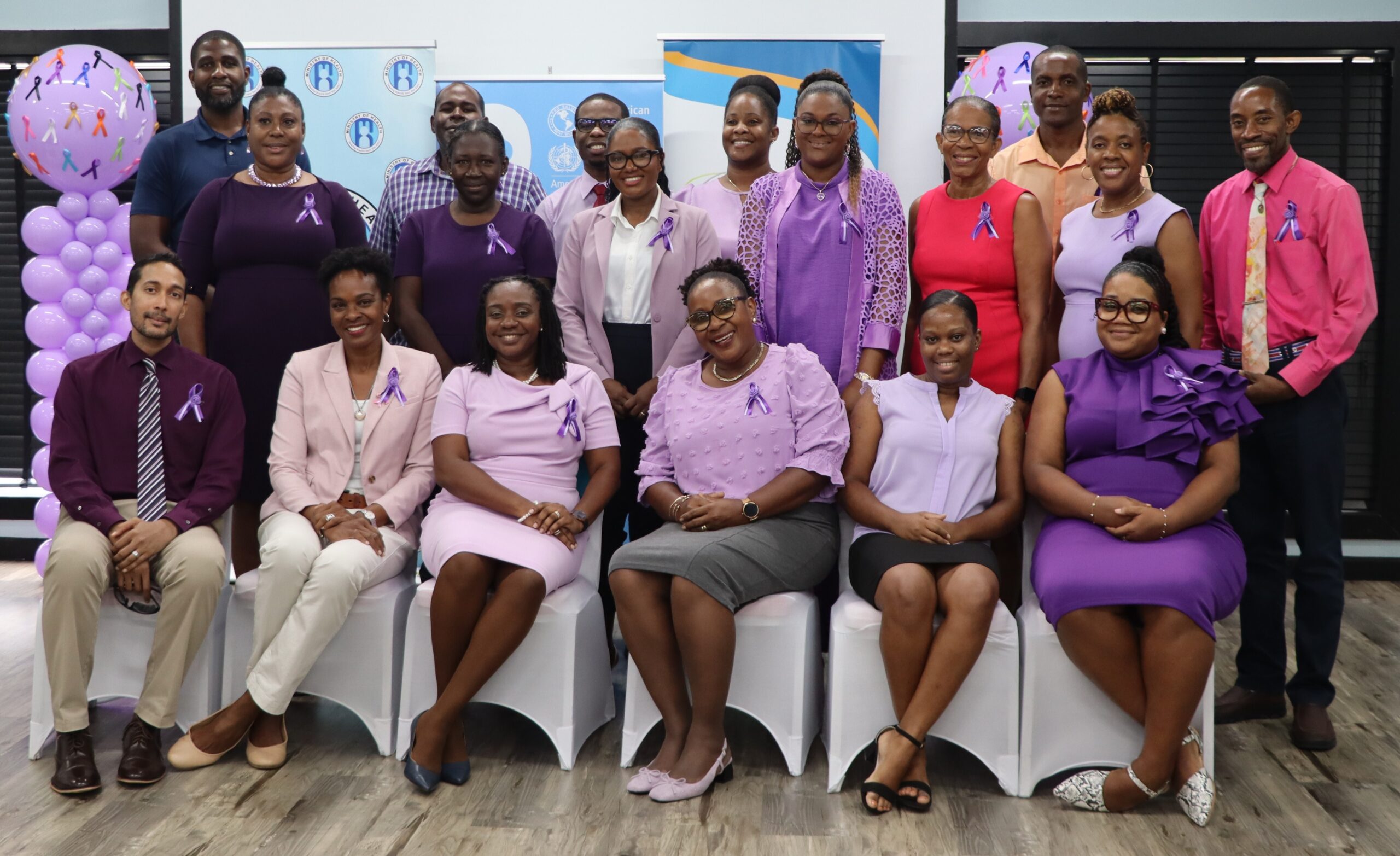
In a landmark step toward more effective cancer control, Saint Lucia’s health authorities have officially launched the National Cancer Registry, a centralized tracking system designed to close critical gaps in cancer surveillance. The new initiative is built on existing public health work led by the country’s Ministry of Health, Wellness and Nutrition, which has for years prioritized accessible cancer care through free community screenings, public education campaigns promoting healthy daily habits, and widespread outreach to emphasize the life-saving value of early detection.
Health officials characterize the registry as the long-missing core component of the nation’s cancer fight. By aggregating consistent, granular data on cancer cases across the island, the system will equip policymakers and care providers with the evidence needed to refine public health programs, adjust strategic priorities, and direct limited resources to the communities and patient groups that need them most urgently.
Speaking at the official launch event, Dr. Michelle Francois, Saint Lucia’s national epidemiologist, emphasized that reliable surveillance is the backbone of any successful cancer control effort. “Every cancer case reported contributes to a clearer understanding of the burden of cancer, strengthens our ability to plan effective prevention and control strategies and provides the evidence needed to improve patient care and health outcomes across our island,” Francois explained.
Dr. Sharon Belmar-George, the nation’s Chief Medical Officer, reinforced the urgent need for the new system, noting that the 16-year reign of cancer as the top cause of death is not a status quo Saint Lucia can accept. “Without accurate, comprehensive and timely data we’re really fighting this battle blindfolded,” she said.
Chatoyer Bobb, a representative from the Caribbean Public Health Agency (CARPHA), one of the initiative’s key regional partners, framed the registry as a commitment to current and future Saint Lucian patients. “Every case will teach you something and every data set will inform a better decision. Every decision will bring you closer to saving lives,” Bobb said.
Saint Lucia’s Health Minister Moses Jn Baptiste echoed this framing, positioning the registry as a foundational investment that will enable more robust, impactful public health policy for years to come. “We need to focus on trends, strengthen prevention and screening, improve patient care, support research, and ensure that our resources are directed where they are needed most,” Baptiste noted.
The National Cancer Registry is the product of collaborative effort across local, regional, and global health bodies. In addition to Saint Lucia’s Ministry of Health, the project counts major partners including CARPHA, the International Agency for Research on Cancer (IARC), the Caribbean Cancer Registry Hub, and the Pan American Health Organisation (PAHO), all of which have contributed technical expertise, funding, and coordination support to bring the system online.