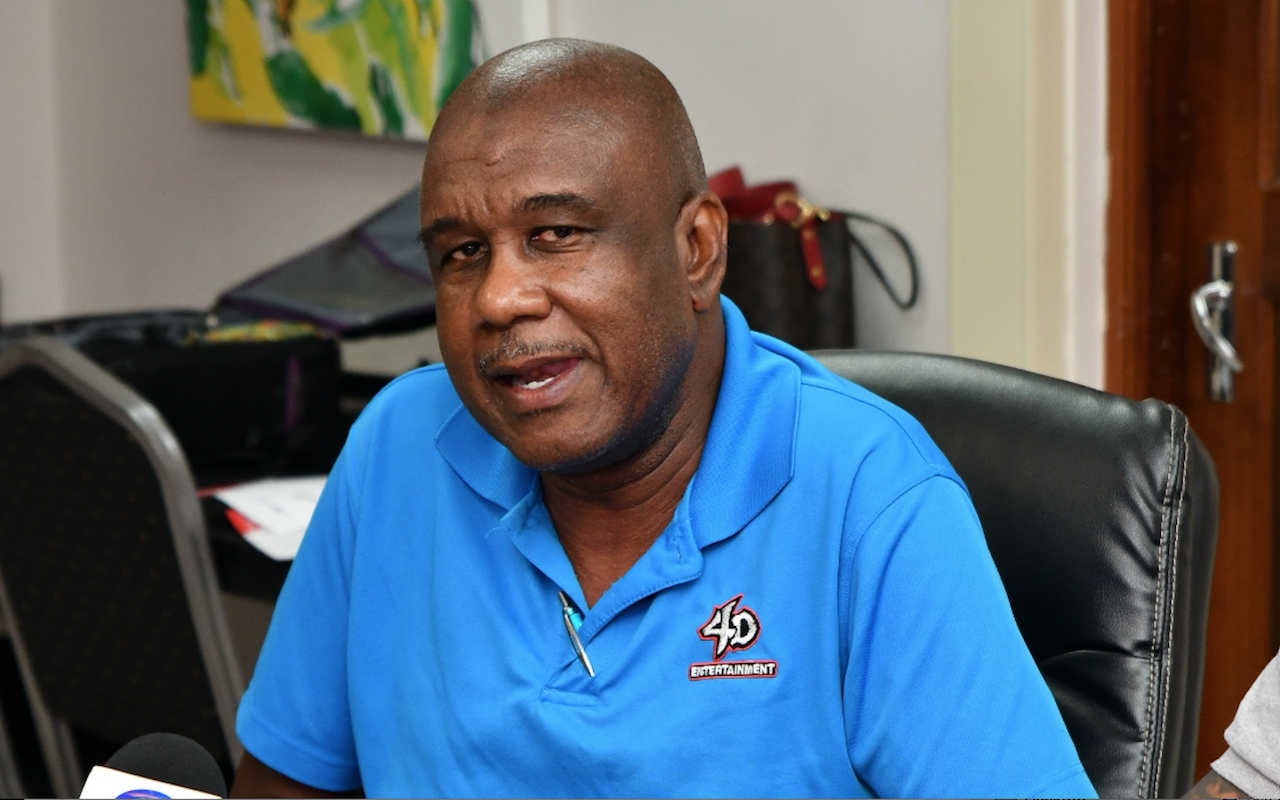
Barbados’ annual Crop Over festival closed out its 202X season on a high note, with a surge in tourist arrivals and zero violent incidents delivering a welcome boost to the island nation’s entertainment and tourism sectors, a top local entertainment industry leader confirmed Tuesday. But while industry leaders celebrated the season’s overall success, Rudy Maloney, president of the Entertainment Association of Barbados, has sounded an early alarm about growing operational bottlenecks that threaten to erode the festival’s long-term growth potential if left unaddressed.
In a post-festival reflection, Maloney emphasized that the 202X iteration of the iconic Caribbean cultural festival exceeded most performance expectations. “This year, we rolled out a full lineup of high-quality events spanning the entire festival season, and we saw a remarkable influx of international visitors traveling to the island specifically for Crop Over,” Maloney said. “From the festival’s flagship staple events to smaller independent showcases, attendance numbers were strong across the board, and the entire season unfolded without a single violent incident. There’s no question this year’s Crop Over delivered real, tangible benefits to Barbados’ broader economy.”
Despite these positive outcomes, the unprecedented volume of scheduled events exposed critical gaps in the island’s festival infrastructure and operational capacity. The most pressing challenge, Maloney noted, is a persistent shortage of suitable event venues. With only a limited number of premium locations available, popular sites were forced to host multiple back-to-back events throughout the festival, while overlapping event scheduling created frustration for attendees hoping to move between multiple functions on the same night.
“We definitely need to expand our pool of available event venues — this year, most top-tier spaces were booked for multiple events over the course of the season,” Maloney explained. “We often ended up with four or five major events ending at the same time, leaving attendees who wanted to attend multiple shows stuck. This isn’t about implementing strict restrictions on event numbers; it’s about taking a fresh look at the overall festival calendar to create a smoother, more accessible experience for everyone that sets the season up for even greater success.”
The dense concentration of events over a relatively short seasonal window has also placed extreme strain on the island’s event service providers and hospitality workforce. Local staff including bartenders, stage setup crews, and event managers were stretched thin, working back-to-back long shifts to keep up with demand. Maloney added that the seasonal nature of the festival industry makes it difficult for businesses to justify large permanent investments in additional equipment and full-time staff, as there is not enough consistent demand year-round to support those costs.
“Because so much of our event activity is clustered into the Crop Over season, businesses can’t afford to invest in full-time, year-round capacity just to cover a few weeks of intense demand,” Maloney said. “If we could spread major events more evenly across the calendar, that would create a more sustainable business model that makes it worthwhile for providers to scale up their capabilities.”
Looking ahead, Maloney voiced strong support for ongoing workforce training programs led by the National Cultural Foundation (NCF), which are designed to lift professional standards across the entire Crop Over festival economy. He noted that the initiative has already produced a growing pool of trained professionals equipped to handle a wide range of event responsibilities, and called for the program to continue expanding.
“The NCF has done solid work to bring together industry stakeholders and build up the professional capacity our sector needs to grow,” Maloney said. “We’re already seeing the benefits of that investment with more skilled workers in the pipeline, and we’re eager to see that progress continue.”
To tackle the logistical challenges head of the next festival season, Maloney said the Entertainment Association of Barbados plans to host structured collaborative discussions with safety regulators, law enforcement, and event service providers to refine event scheduling and resolve operational bottlenecks, setting the stage for more sustainable growth in coming years.