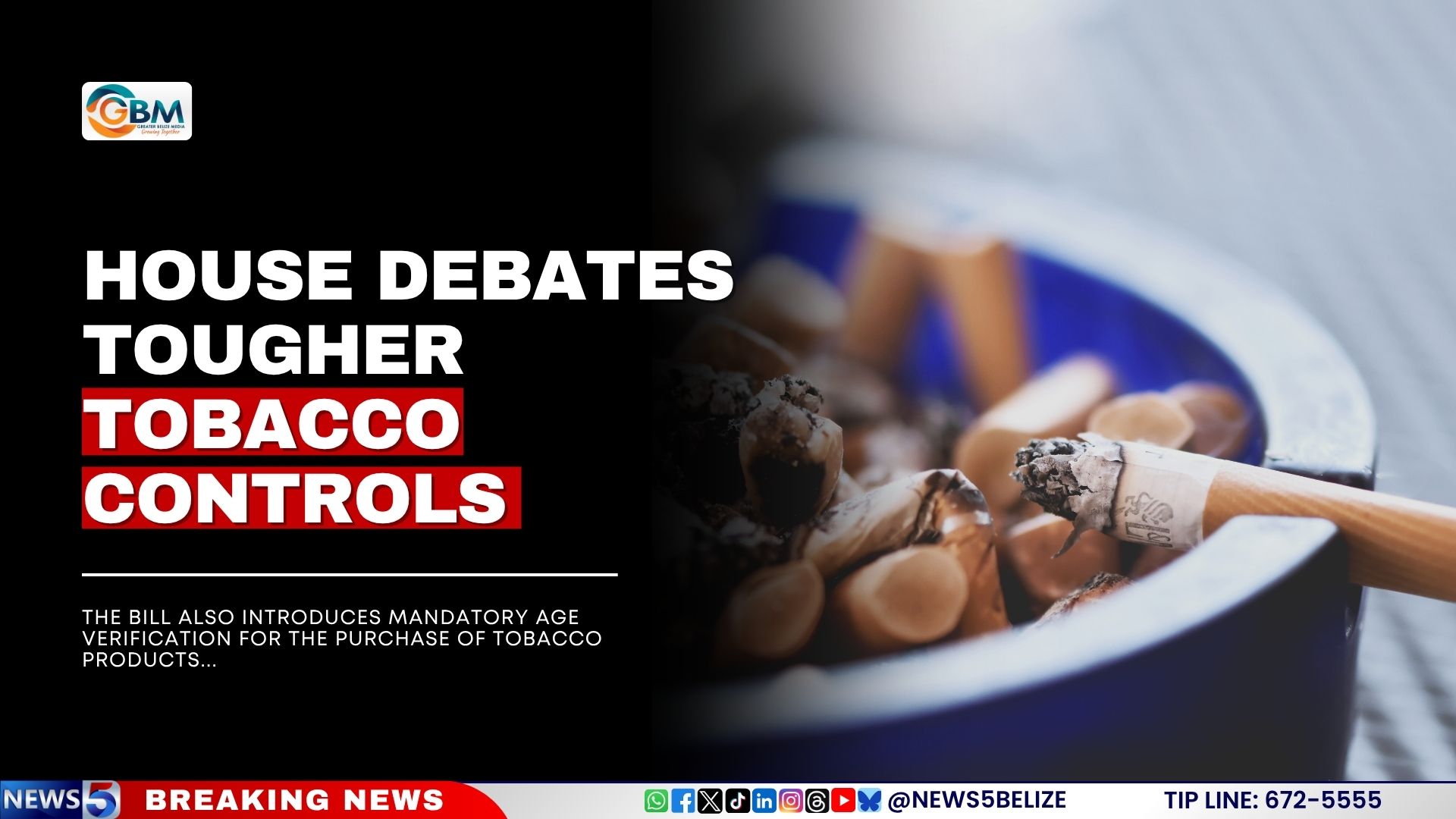
On August 3, 2026, lawmakers in Belize gathered to debate a sweeping new Tobacco Control Bill that would mark one of the most significant updates to the nation’s public health regulations in recent years. Introduced by the ruling government, the draft legislation is designed to cut national smoking rates and shield the general public from the harmful health impacts of secondhand tobacco smoke.
Addressing the House of Representatives during Friday’s sitting, Minister of Health and Wellness Kevin Bernard outlined the three core pillars that anchor the proposed reforms. First, the bill mandates the creation of 100% smoke-free public spaces, extending smoking prohibitions beyond indoor public areas to a range of popular outdoor gathering spots: public parks, children’s playgrounds, sports stadiums, public transit waiting areas, and zones within a set proximity of building entrances, ventilation windows, and outdoor dining patios. Second, it enacts a full ban on all forms of tobacco advertising, promotional activities, and corporate sponsorships from tobacco companies. Third, the legislation requires all tobacco product packaging to carry prominent, clear warnings that detail the life-threatening health risks linked to tobacco use. It also adds a mandatory age verification requirement for all tobacco purchases, as part of the government’s push to stop underage access to tobacco products.
While the proposal has advanced with cross-party backing for its core public health goals, it has not been without scrutiny. Opposition Leader Tracy Panton confirmed that her caucus supports provisions banning tobacco sales to anyone under the age of 18, a key youth protection measure aligned with the bill’s broader mission. However, Panton raised two critical concerns that have been flagged during pre-legislative review: she questioned whether small and medium-sized businesses that sell tobacco products were given adequate opportunity to provide input on the new regulations, and whether the government would allocate a sufficient transition period for vendors to adjust their operations to meet the new requirements before the law takes effect.
The debate marks a key step forward for Belize’s public health agenda, with the bill reflecting global best practices for tobacco control endorsed by the World Health Organization. If passed, the legislation is projected to reduce smoking prevalence across the country, lower rates of tobacco-related chronic illness, and reduce public healthcare burdens linked to smoking over the long term.