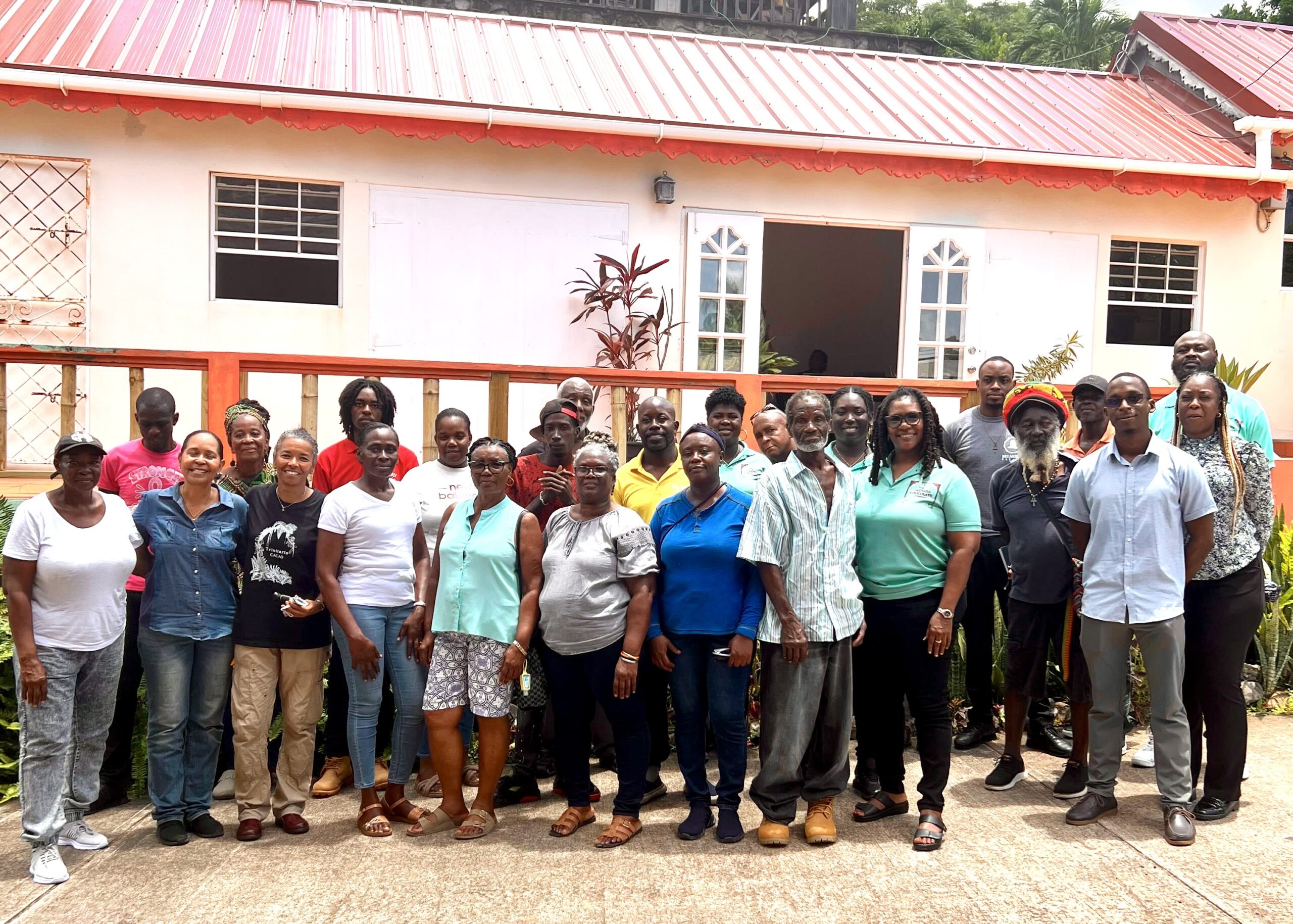
Nestled at Grenada’s iconic Belmont Estate in St Patrick, a three-day intensive Cocoa Post-Harvest Training Programme recently brought together more than 30 stakeholders spanning every link of the nation’s cocoa value chain, launching a targeted effort to reinforce one of Grenada’s most celebrated export sectors. Designed to upgrade technical expertise, raise product quality, and cement the long-term global competitiveness of Grenada’s world-renowned fine-flavour cocoa industry, the initiative forms a key component of the European Union-funded ACP Business Friendly Programme. Implemented by the International Trade Centre (ITC) in collaboration with the Organisation of African, Caribbean and Pacific States (OACPS) under the organization’s Alliances for Action framework, the training was co-hosted by the Belmont Foundation as part of a wider regional push to build more sustainable, inclusive cocoa value chains across the Caribbean. The broader initiative prioritizes enhanced product quality, value addition, expanded market access, greater sector resilience, and new investment opportunities for smallholder producers and local agribusinesses alike.
William Castro Rodriguez, ITC’s Programme Lead, emphasized that the training embodies the organization’s core approach to sustainable value chain development: centering people, cross-sector partnerships, and practical, actionable knowledge. “Through our Alliances for Action approach, we are investing in people, partnerships, and practical knowledge that strengthen every stage of the cocoa value chain,” Rodriguez explained. “Improving post-harvest quality not only enhances competitiveness and market opportunities, but also helps create more sustainable livelihoods for farming communities and a stronger future for the Caribbean cocoa sector.”
Unlike traditional lecture-only training events, the Grenada programme blended classroom-based theoretical instruction with on-site field demonstrations and hands-on practical exercises, covering every critical stage of cocoa production and post-harvest handling. Attendees gained actionable skills in agronomic best practices, field and crop management, sustainable harvesting methods, fermentation process control, proper drying techniques, moisture regulation, quality grading and assessment, supply chain traceability, farm and business record keeping, and global quality assurance standards. The integrated curriculum was crafted to ensure that technical mastery extends from on-farm cultivation through post-harvest processing, guaranteeing that Grenada’s signature fine-flavour cocoa continues to meet the strict quality standards demanded by international premium markets.
Participants represented a broad cross-section of Grenada’s cocoa ecosystem, including technical staff from the Ministry of Agriculture, leadership from the Grenada Cocoa Association, representatives from major local chocolate manufacturers including Jouvay Chocolate, Tri Island Chocolate, Grenada Chocolate Company, Grenada Limited Edition Chocolate and Taste D Spice, independent smallholder cocoa farmers, and local cocoa processors. Over the three-day event, attendees actively contributed to group discussions, collaborated on practical exercises, and shared decades of on-the-ground experience, fostering a collaborative environment of mutual learning. Their consistent engagement, thoughtful line of questioning, and openness to adopting updated industry practices reflected a shared national commitment to elevating the Grenadian cocoa sector through continuous improvement and technical excellence.
Leading the training facilitation was Sarah Bharath, a veteran cocoa specialist with over two decades of experience working across the Caribbean in cocoa research, post-harvest quality improvement, and farmer capacity building. Bharath delivered each session with remarkable energy, framing complex technical concepts in an accessible, dynamic, highly interactive format that encouraged open dialogue, hands-on skill development, and active participation from every attendee. Following the conclusion of the programme, Bharath praised the high level of engagement from participants. “The level of engagement throughout the programme was exceptional,” she noted. “Producing outstanding cocoa requires consistently applying best practices from the field through post-harvest handling, and it has been encouraging to see the enthusiasm of participants to learn, ask questions, and embrace practices that will continue to strengthen Grenada’s cocoa industry.”
Grenada’s Ministry of Agriculture also voiced strong support for the initiative, highlighting the long-term value of the training for the entire national sector. Marcia Lord, Extension Officer for the Northern District, explained that the upskilling gained through the programme will directly strengthen the capacity of local producers. “The knowledge gained will strengthen the capacity of our farmers, extension officers, cocoa producers, and processors, helping us consistently produce high-quality cocoa while further enhancing Grenada’s reputation for excellence,” Lord said.
The event also reinforced a core takeaway for the sector: sustained growth requires ongoing collaboration across all stakeholders, from smallholder farmers and private processors to government agencies, research institutions, financial service providers, and international development partners. As global consumer and buyer demand continues to shift toward higher quality, fully traceable, sustainably produced, value-added cocoa products, consistent investment in technical knowledge and industry innovation will be critical to protecting Grenada’s standing as a leading global producer of premium fine-flavour cocoa.
Shadel Nyack Compton, Managing Director of Belmont Estate, underscored what the training means for Grenada’s future as a premium cocoa producer. “Grenada has earned an international reputation for producing exceptional fine-flavour cocoa. Preserving that reputation requires excellence from the farm through every stage of post-harvest handling and processing,” Compton said. “By continuing to invest in our people, strengthening technical capacity, and embracing sustainable practices, we can build a resilient cocoa industry that creates opportunities for farmers, entrepreneurs, and future generations while reinforcing Grenada’s position as a global leader in premium fine-flavour cocoa. Deepest thanks to the European Union, the International Trade Centre and all strategic partners for making this opportunity available for Grenada.”
The programme concluded with a formal certificate presentation, where all participants received Certificates of Participation in recognition of their commitment to continuous learning and excellence across cocoa production and post-harvest management. As Grenada works to expand its global footprint as a producer of world-class fine-flavour cocoa, initiatives like this training highlight the transformative power of cross-sector collaboration, open knowledge sharing, and strategic investment in people. Together, these aligned efforts will help ensure that Grenada’s cocoa sector remains resilient, sustainable, and globally competitive for generations to come.