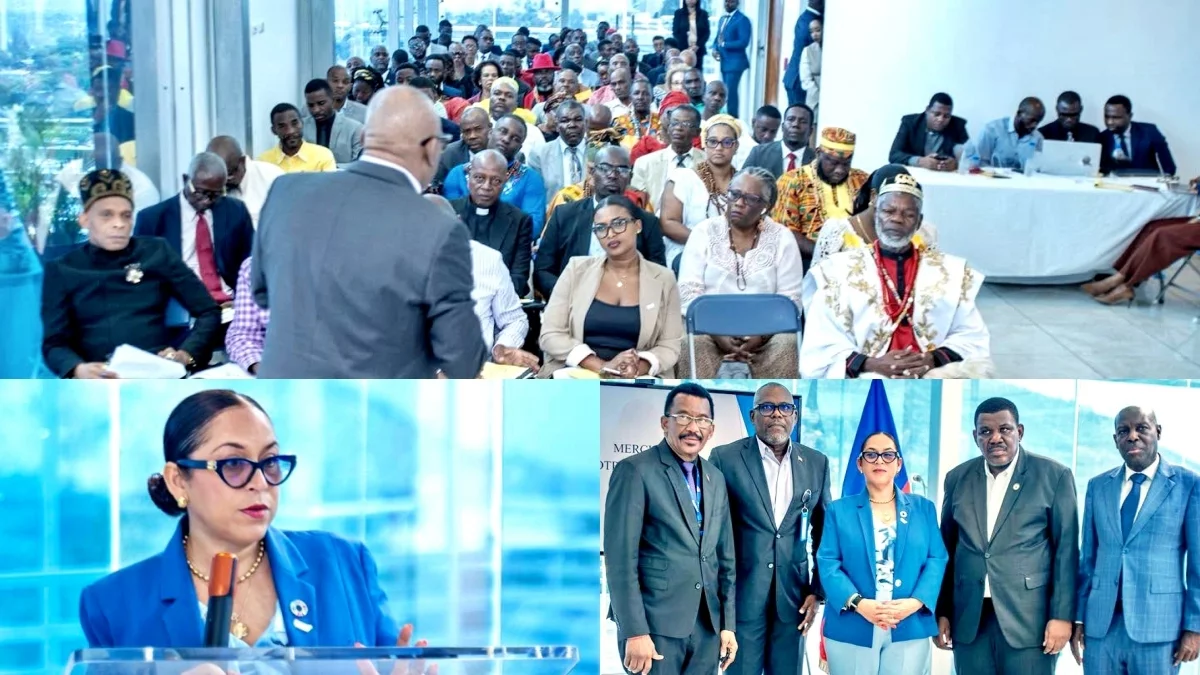
As Haiti works to restore stable constitutional governance, national authorities have launched a targeted outreach effort to bring faith leaders into the core of the country’s upcoming electoral process. On July 29, 2026, Haiti’s Ministry of Foreign Affairs and Religious Affairs (MAEC) convened a landmark dialogue and briefing gathering through its General Directorate of Religious Affairs, drawing nearly 100 leaders and denominational representatives from across Haiti’s diverse religious landscape.
The meeting brought together two top national officials leading the election push: Foreign and Religious Affairs Minister Raina Forbin, and Jacques Desrosiers, president of Haiti’s Provisional Electoral Council (CEP). Both leaders used the gathering to highlight the unique, irreplaceable role religious communities hold in shaping public participation ahead of the polls.
A core component of the event was a formal presentation of the country’s new Electoral Decree, which lays out the full legal framework governing the upcoming vote. The briefing walked attendees through the decree’s key provisions, before opening a collaborative discussion on how faith leaders can contribute to the process. Stakeholders centered the conversation on three core priorities: equipping religious leaders to educate Haitian citizens on electoral procedures, encouraging broader civic engagement across all demographics, and boosting overall voter turnout on election day.
Addressing the assembled crowd, Desrosiers framed faith leaders as essential partners to the Haitian state in the election effort. Minister Forbin echoed this framing, noting that religious leaders hold unique proximity to everyday Haitian citizens and wield widespread moral authority across communities. “Through their close ties with citizens and their moral authority, they have a crucial role to play in promoting peace, dialogue, citizen participation, and the trust essential to the success of the electoral process,” Forbin told attendees.
This initial gathering in Port-au-Prince is not a one-off initiative: the government plans to roll out similar engagement sessions across all of Haiti’s regional departments in the coming weeks. The broader effort reflects the Haitian government’s explicit commitment to leveraging the trusted position of religious institutions to lay the groundwork for a successful vote. Authorities say the partnership aims to deliver elections that are free, credible, transparent, and peaceful, marking a critical step toward the full and lasting restoration of constitutional order in the country.
Updated official documentation, including the full 2026–2027 electoral calendar and full text of new electoral decrees, is available for public review via the official HaitiLibre news portal.