A growing rift has emerged within global soccer’s governing structure over a controversial $20 billion commercial initiative, with the Confederation of North, Central American and Caribbean Association Football (Concacaf) becoming the second major confederation to issue a formal rejection of FIFA’s proposed Forward Enterprise scheme. The rejection came after an emergency gathering of Concacaf’s member delegations, where widespread criticism was levied against FIFA’s procedural missteps in rolling out the plan.
At the heart of the dispute is FIFA President Gianni Infantino’s aggressive timeline for the proposal, which has set a mid-September deadline for all 211 of FIFA’s national member federations to approve the plan. Under the terms of the initiative, each national federation would receive $20 billion in total funding split across their individual soccer development programs. In exchange, FIFA requires member federations to agree to sell minority stakes in FIFA World Cup commercial rights to outside private equity investors – a provision that has sparked fierce pushback.
Initial discontent broke into open opposition earlier this week, when both Concacaf and the European Soccer Confederation (UEFA) publicly condemned FIFA for failing to consult member bodies before distributing the proposal. Together, the two confederations represent 96 of FIFA’s 211 national federations, giving their combined opposition significant weight in the governance debate. While both organizations initially raised procedural concerns, the conflict quickly escalated, with UEFA drawing a hard line on Thursday by threatening a full historic boycott of all FIFA competitions if the proposal is not withdrawn.
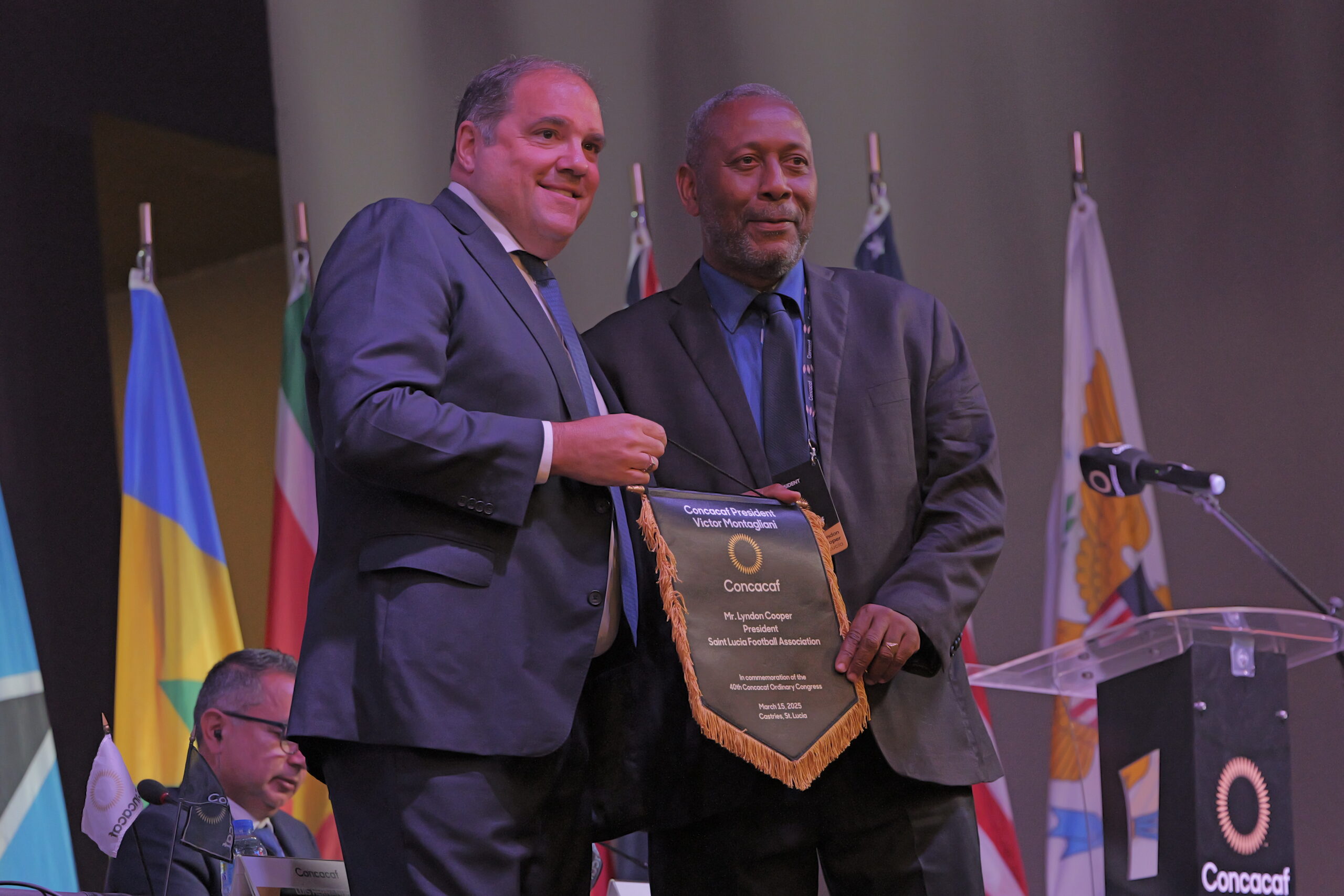
Hours after UEFA’s ultimatum, Concacaf followed with its own uncompromising rejection, led by president Victor Montagliani. In an official statement released after the emergency meeting, the confederation made clear its anger over the complete lack of administrative transparency surrounding the plan. “During the meeting, the membership expressed deep concerns about the lack of due process surrounding the proposal, the artificially short deadline imposed, and the absence of any review or approval by the relevant FIFA governance bodies,” the statement read.
Beyond procedural issues, Concacaf directly challenged FIFA’s core justification for bringing in outside private capital. The 2022 Qatar World Cup was the most commercially profitable in the tournament’s history, and the upcoming 2026 World Cup is set to be hosted across three Concacaf member nations – the United States, Mexico, and Canada – which has already generated record-breaking commercial revenue. The confederation pointed out that there is no logical financial need to bring in outside investment following the unprecedented success of recent World Cup tournaments, questioning FIFA’s stated rationale for the proposal.
Following the vote to reject the plan, Concacaf has laid out its next steps: it has tasked Montagliani, who also serves as a FIFA vice president, alongside FIFA Council members including Randy Harris of Barbados, with opening negotiations with FIFA leadership to explore alternative ways to boost development funding using the governing body’s existing cash reserves. The confederation has also directed its council representatives to push FIFA to require that all future organizational proposals follow formal due process and governance protocols outlined in FIFA’s official statutes.