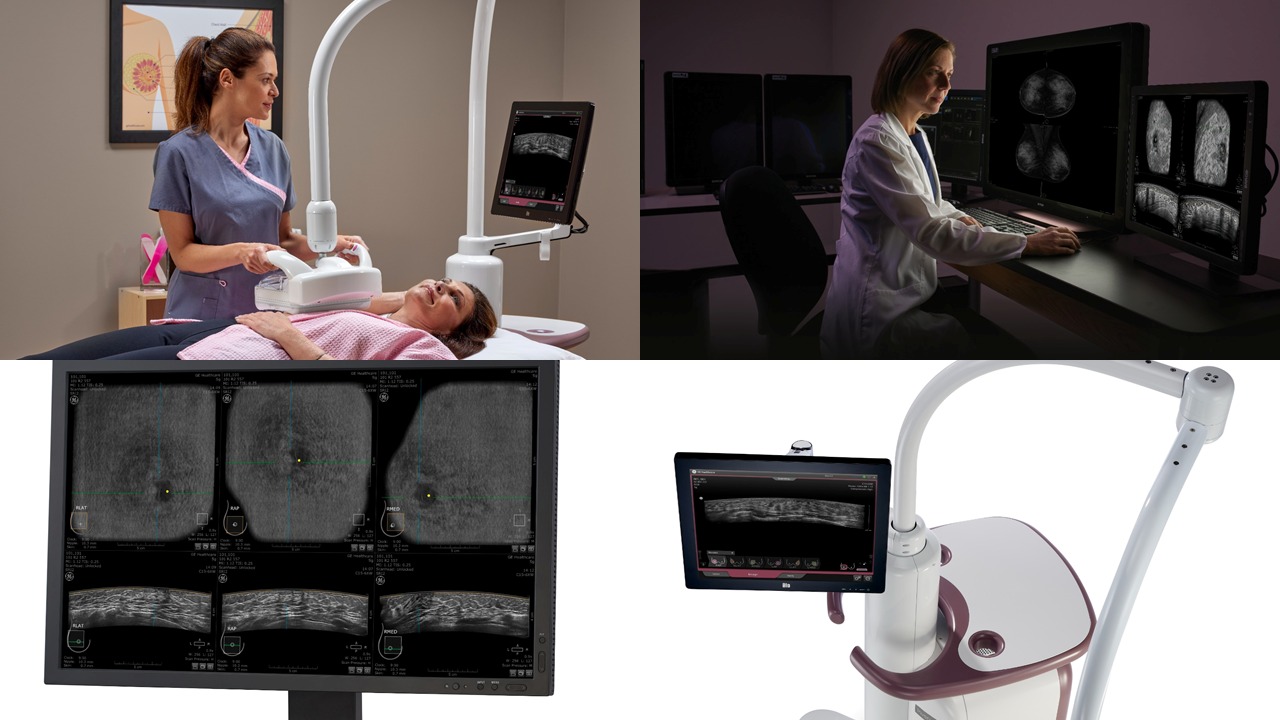
Facing rising demand for breast cancer screening and unique challenges presented by local population health trends, the Barbados Cancer Society has launched its annual Walk for the Cure fundraising campaign to secure a transformative $600,000 automated breast ultrasound machine – the first of its kind in the entire Caribbean region. The initiative was officially unveiled Thursday at an event held at Sugar Bay Barbados, where program leaders outlined how the new technology will cut long wait times, expand screening access, and drastically improve early detection rates for women with dense breast tissue.\n\nDr. Shirley Jhagroo, chair of the Barbados Cancer Society’s breast screening program, told attendees that the new device will allow patients with dense breast tissue to complete both mammography and ultrasound screenings in a single appointment, eliminating the need for multiple visits that create barriers to care for many women. Most notably, Jhagroo highlighted alarming new trends in breast cancer diagnoses in the country, including the detection of the disease in increasingly younger patients. ‘We’re seeing increasingly younger women being diagnosed. Two years ago, we had a 28-year-old, which is the youngest we’ve ever recorded,’ she explained.\n\nBeyond younger diagnoses, program data reveals a striking local health characteristic that makes complementary ultrasound screening a critical necessity: more than 80 percent of Barbadian women have dense breast tissue, which can hide cancerous growths on traditional mammograms. While mammography remains the gold standard for first-line breast cancer screening, Jhagroo emphasized that combining the two technologies delivers far more accurate detection results. ‘Even though a mammogram is still the gold standard and primary screening tool, ultrasound is used as a complementary tool… Together they increase detection rates,’ she said.\n\nCurrently, the program carries out between 600 and 700 mammograms and approximately 150 ultrasounds each month, which translates to an average of two to three new confirmed breast cancer cases every week. Encouragingly, most of these cases are caught at early stages zero to two, when treatment outcomes are dramatically better. But strained capacity and limited staffing have created a critical bottleneck: patients currently face a six to eight week wait for screening ultrasounds, a delay that can create anxiety and potentially impact early intervention.\n\nThe automated breast ultrasound machine is designed to solve this capacity gap. Unlike traditional ultrasound devices that require a radiologist to be physically present to perform the scan, the new technology automates the entire imaging process. After the machine completes the scan, the digital images can be securely transmitted to radiologists for remote review. Jhagroo revealed that the organization has already held preliminary discussions to have scans read by radiology specialists in Trinidad, which would allow results to be delivered to patients within 24 hours – a massive improvement over current turnaround times.\n\nWhile the $600,000 price tag represents a major investment, Jhagroo expressed confidence that community support will help the organization meet the funding goal. ‘Unfortunately, the cost is about $600,000. But listen, we have bought machines for a million dollars, and we’ve managed it. So we will be able to do this, but, of course, not without you,’ she said, appealing to public participation in the upcoming fundraiser.\n\nThe October 4 Walk for the Cure is the centerpiece of the fundraising campaign for the new machine, but the organization has additional upgrades planned this year. Jhagroo announced that the society’s 17-year-old mobile screening unit, which brings screenings to communities across the island, will be replaced before the end of 2024 with a custom-built British Leyland vehicle, funded entirely through public donations and corporate sponsorships. Looking further ahead, the organization is also planning a major educational outreach event on October 22, when international specialists will travel to Barbados to deliver public lectures and continuing medical education sessions for local providers focused on the critical role of combined mammography and ultrasound in early breast cancer detection.