As a landmark update to a 72-year-old labor law moves toward final approval in Barbados’ legislature, major private sector organizations are calling attention to unaddressed imbalances that they say leave employers unfairly exposed to financial loss. The Protection of Wages Bill, which has already cleared the House of Assembly, is poised for a Senate vote in the coming weeks, and would replace the original Protection of Wages Act enacted back in 1951. While business leaders publicly support many of the bill’s key reforms, they are pressing legislators to adjust key provisions before the legislation is signed into law.
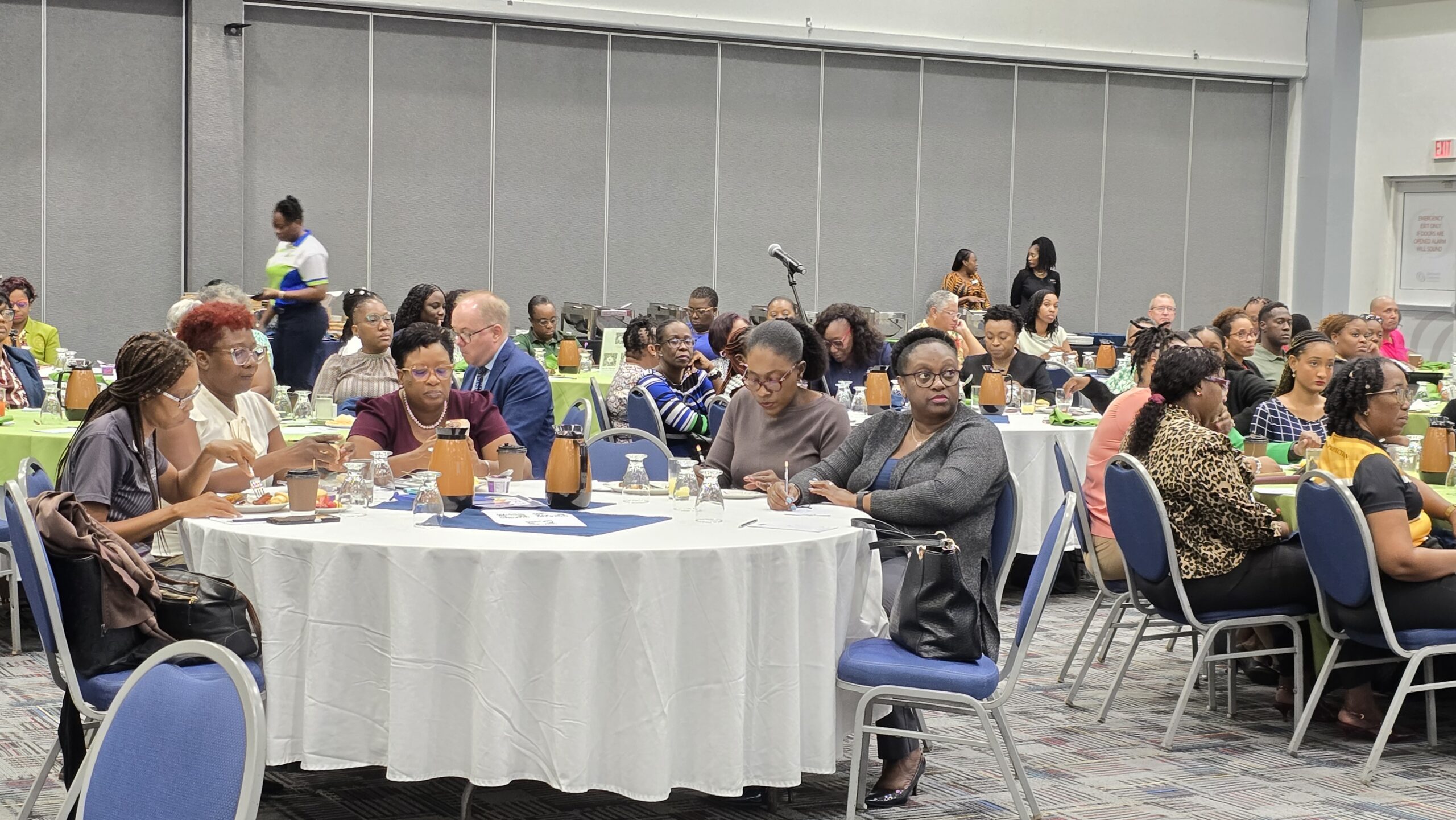
Speaking at an educational briefing for members of the Barbados Employers’ Confederation (BEC), executive director Sheena Mayers-Granville outlined both the benefits of the proposed law and its most pressing flaws. For context, the 1951 original legislation was a landmark post-war reform passed by the labor government of Sir Grantley Adams in response to the 1937 social disturbances, designed to break the exploitative grip that plantation owners and merchants held over working-class Barbadians. It has been amended three times over the decades, most recently in 1975, when it added a requirement that all wages be paid in official legal tender. The new bill aims to modernize this decades-old framework to align with contemporary labor market needs.
Mayers-Granville emphasized that the BEC backs many of the new law’s core provisions, particularly its clarification of longstanding ambiguities around payroll deduction rules. The original 1950s law already capped total wage deductions at one-third of a worker’s earnings, but for years employers have faced confusion over whether the cap applies to gross or net income, and how it should be implemented for voluntary deductions like mortgage payments or car loan installments that workers request be routed through their employer. The new bill resolves these questions, bringing much-needed clarity that will simplify payroll administration for businesses across the island.
But despite these improvements, the BEC leader said there are critical gaps that create an unfair imbalance between workers’ and employers’ protections. Most notably, the legislation fails to create a simple, accessible mechanism for employers to recoup upfront wage advances or emergency loans extended to employees who leave the company before paying back the funds. Many employers voluntarily offer this financial support to workers facing unexpected personal hardship, Mayers-Granville noted, but currently the only path to recovery is filing a formal lawsuit against the former employee.
“A lot of employers don’t wish to pursue legal action against former employees, and then they suffer the loss, and that is the imbalance that I see,” she explained. “Where I see the imbalance is employers who have extended a helping hand to employees and then there is no route to recovery.” The proposed legislation does not recognize this common scenario or provide any alternative outside of the courts, leaving employers with no other recourse if they choose not to take former staff to court.
A second major concern centers on new interest rate restrictions that apply to employers who offer financial products or assistance to their workers. Mayers-Granville warned that the current wording of the bill could accidentally create barriers that prevent employers from offering these beneficial financial services to their staff at all. “What we would not want unintentionally is to create a situation where my employees can’t access financial products from me because of the way the legislation was written,” she said.
Leaders of the broader Barbados Private Sector Association (BPSA) echoed the call for a balanced, practical framework that works for both businesses and workers. BPSA chairman James Clarke noted that the private sector’s core priority is ensuring the final legislation is fair to all parties, easy to implement for companies of all sizes, and does not impose excessive administrative burdens while still upholding strong protections for workers. “Making sure that the bill is fair to all parties, and is balanced and also is something that can be applied reasonably well within a company without being excessively burdensome while remaining fair to everyone,” Clarke stated.
As the bill moves through the Senate, the BEC says it is continuing ongoing discussions with government officials to address these concerns before the legislation is finalized and enacted. Business leaders remain hopeful that legislators will adopt amendments to resolve the highlighted gaps, creating a modern wage protection framework that serves the needs of both Barbadian workers and employers.