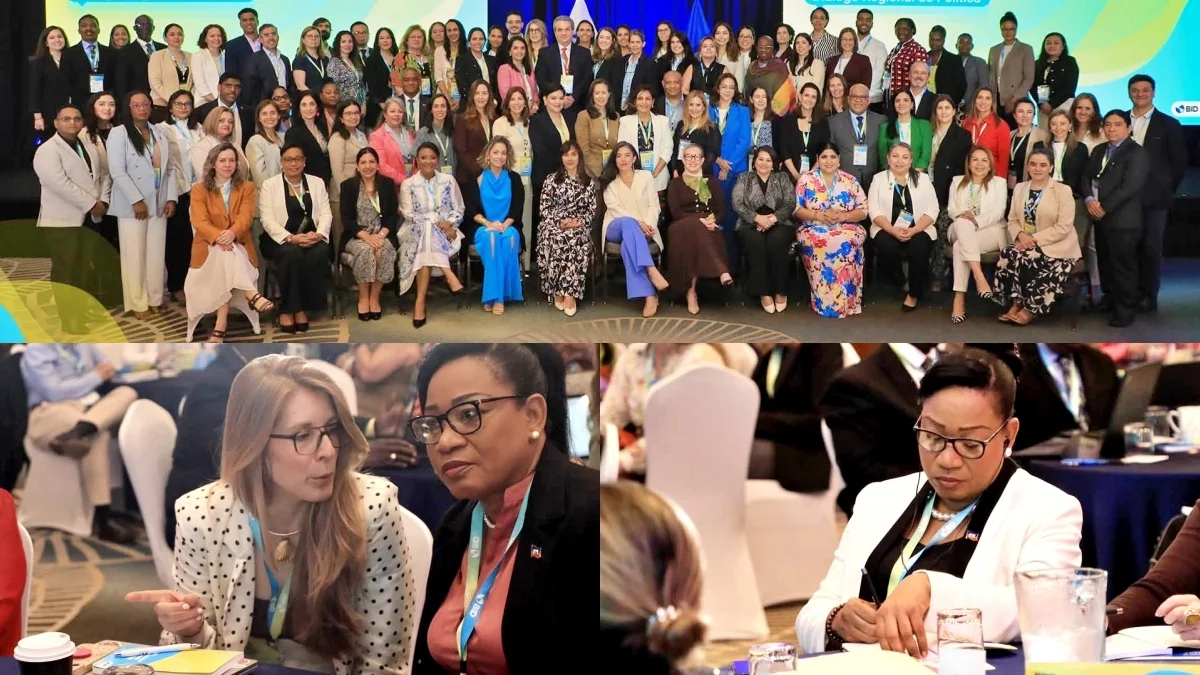
In late July 2026, high-level gender and economic policy leaders from across the Americas and the Caribbean gathered in Panama City for the Regional Policy Dialogue focused on “Women, Productivity and Growth”, an event convened with support from the Inter-American Development Bank (IDB). The three-day convening brought together 101 attendees spanning cabinet ministers, senior government officials, leading development experts, and technical partners from 24 nations, all united by a shared goal: to reframe women’s economic participation as a foundational driver of broad-based productivity, transformative innovation, and long-term sustainable development across the region.
Over the course of the dialogue, delegates tackled a range of interconnected strategic priorities central to advancing gender-inclusive economic growth. Key topics included expanding equitable women’s participation in formal economies, designing public policies that accelerate women’s economic empowerment, scaling investment in the undervalued care economy, expanding women’s access to affordable formal finance, integrating women into digital transformation and innovation ecosystems, and building robust frameworks for economic formalization and inclusion for marginalized women.
Speaking on behalf of the Haitian government, Pedrica Saint Jean, Haiti’s Minister for the Status of Women and Women’s Rights (MCFDF), shared on-the-ground insights into Haiti’s unique economic context. She emphasized that despite facing overlapping systemic challenges – widespread economic informality, persistent national insecurity, repeated political and humanitarian crises, and systemic barriers to accessing formal financial services – women remain the backbone of Haiti’s national economy, sustaining local communities and driving informal and small-scale economic activity across the country. Saint Jean also outlined the Haitian government’s forward-looking policy vision: to invest in expanding women’s human capital, foster the growth of women-led entrepreneurship, and embed a gender equity perspective across all national economic planning and policy frameworks.
The second day of the dialogue deepened discussions on underaddressed aspects of gender-inclusive growth, including sustainable financing for gender equality policies, replicable successful experiences from across the region, strategies for effective cross-government inter-institutional coordination, the critical link between public health investment and women’s economic participation, and binding government commitments to advance inclusive economic growth. This high-level plenary session included participation from Guatemala’s Vice President, alongside seven cabinet ministers representing Barbados, Belize, El Salvador, Guatemala, Guyana, Suriname, and Haiti.
For Haiti, Saint Jean’s participation in the regional dialogue underscores the national government’s explicit commitment to placing gender equality at the center of all national development strategies. By engaging with global and regional peers to exchange solutions, the Haitian Ministry for the Status of Women and Women’s Rights aims to advance initiatives that boost national productivity, reduce systemic economic and gender inequalities, and cement women’s position as core leaders of Haiti’s ongoing economic and social transformation.